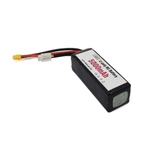
Charging a 48V battery, particularly for electric bikes (e-bikes), is a critical aspect for riders aiming to maximize their performance and minimize downtime. This blog post will delve into the essential features of 48V batteries, explore the factors that influence charging times, present best practices for efficient charging, debunk common misconceptions, and answer frequently asked questions.

1. Understanding 48V E-bike Batteries
1.1 What is a 48V Battery?
A 48V battery serves as a power source for various electric vehicles, particularly e-bikes. The voltage level of 48V provides a balance between power output and safety. It allows the battery to deliver sufficient energy for a decent range without the risks associated with higher voltages.
1.2 Significance of Voltage and Amp-Hours
In the context of e-bikes, voltage (V) and amp-hours (Ah) are critical metrics:
- Voltage (V): This indicates the potential energy the battery can provide. A 48V battery means it can supply energy at a voltage of 48 volts, which is necessary to power the electric motor effectively. Higher voltage can lead to increased efficiency and performance.
- Amp-Hours (Ah): This measures the battery's capacity, indicating how much current (amps) the battery can deliver over a specific period (hours). For example, a 10Ah battery can theoretically deliver 10 amps for one hour or 5 amps for two hours. The combination of voltage and amp-hours determines the overall energy capacity of the battery.

2. Charging Time for 48V E-bike Batteries
In standard conditions, the time it takes to charge a 48V battery can vary significantly based on its capacity and the charger used. A rough estimate for charging times can be calculated using the formula:
Charging Time (hours) = Battery Capacity (Ah) / Charger Output (A)
For example:
5Ah Battery with a 5A Charger: Approximately 1 to 2 hours from a near-empty state.
10Ah Battery with a 5A Charger: Approximately 2 to 4 hours.
10Ah Battery with a 10A Charger: Approximately 1 to 2 hours.
These calculations assume the battery starts from a low state of charge and that the charging efficiency is relatively high.
2.2 How to Calculate Charging Time
To calculate the charging time accurately, you need to know the battery capacity and the charger output:
- Identify the Battery Capacity: Check the specifications for the amp-hours (Ah) of your battery.
- Check the Charger Output: Look at the charger's output current (A).
- Use the Formula: Apply the formula mentioned above to get the estimated charging time.

3. Factors Affecting Charging Time
Charging a 48V battery isn't a straightforward process, as several factors can influence the total time required.
3.1 Battery Capacity
The battery's capacity is perhaps the most significant factor in determining charging time. For instance, charging a 10Ah battery typically requires double the time of a 5Ah battery when using the same charger, due to the increased energy storage.
3.2 Charger Specifications
The specifications of the charger, including its output current (in amps), directly affect how quickly a battery can be charged. A charger rated at 5A will charge the battery more slowly than a 10A charger.
For example, a 10Ah battery charged with a 10A charger might take about 1 to 2 hours, whereas the same battery charged with a 5A charger could take 2 to 4 hours.
3.3 Initial Charging State
The initial state of charge (SOC) also impacts the charging duration. A battery that is nearly empty will take longer to charge than one that is partially charged. For instance, charging from a 50% SOC will be faster than charging from a 10% SOC due to the difference in energy needed to reach full capacity.
3.4 Charger and Battery Compatibility
It's crucial to use a charger that is compatible with your specific battery type. Mismatched chargers can result in inefficient charging and may even cause damage. Always refer to the manufacturer's recommendations for charger specifications.
3.5 Environmental Temperature
Temperature plays a vital role in battery performance. Most batteries operate best at room temperature (around 20-25°C). Charging in extreme cold can slow down the charging process and potentially lead to permanent damage, while high temperatures can increase the risk of overheating.
3.6 Battery Age and Condition
The age and overall condition of the battery can significantly affect its charging time and efficiency. Older batteries often have diminished capacity, requiring longer charging times. Regular maintenance, including periodic checks and ensuring proper storage, can help extend battery life.
3.7 State of Charge (SOC) Curve
The SOC curve indicates how quickly a battery charges at different stages. Initially, a battery charges rapidly, but as it approaches full capacity, the charging rate slows down to protect the battery. Understanding this curve helps set realistic expectations for charging times.

4. Charging Time for 48V E-bike Batteries
The average charging times for 48V batteries can vary widely based on the aforementioned factors. Here are some typical scenarios:
5Ah Battery with a 5A Charger: Approximately 1 to 2 hours from a near-empty state.
10Ah Battery with a 5A Charger: Approximately 2 to 4 hours.
10Ah Battery with a 10A Charger: Approximately 1 to 2 hours.
These estimates can change based on the battery's initial SOC and its condition.
5. Best Practices for Efficient Charging
To optimize the lifespan and performance of your 48V battery, consider the following best practices:
Use the Correct Charger: Ensure that the charger is designed specifically for your battery type. Compatibility is essential for efficient and safe charging.
Avoid Overcharging: While most modern chargers have built-in protections, it's wise to unplug the battery once it reaches full charge to prevent potential overcharging, especially in older battery models.
Charge at Room Temperature: To maximize charging efficiency, charge your battery in a temperature-controlled environment. Extreme temperatures can hinder charging performance and battery health.
Regular Maintenance: Keep an eye on battery connections and check for any signs of wear or damage. Regular maintenance helps maintain optimal performance and safety.
Follow Manufacturer Guidelines: Always refer to the manufacturer's recommendations for specific charging practices and specifications, as these can vary significantly between battery types.
6. Common Errors and Misconceptions
6.1 Concerns About Overcharging
A prevalent concern among battery users is the fear of overcharging. Modern lithium-ion batteries are equipped with protective circuits that prevent overcharging, but it's still prudent to monitor the charging process, especially with older technologies.
6.2 Myths About Fast Charging
Another common myth is that faster charging is always better. While fast chargers can significantly reduce charging time, they may also generate excess heat, which can lead to battery degradation over time. A balanced approach, considering both charging speed and battery health, is essential.
7. Frequently Asked Questions
Q1: How often should I charge my 48V battery?
A1: Ideally, charge your battery after each ride, especially if it has been significantly depleted. This practice helps maintain battery health.
Q2: Can I leave my battery charging overnight?
A2: While modern chargers are generally safe for overnight charging due to automatic shut-off features, it's best to monitor it and disconnect once fully charged.
Q3: What's the best way to store a 48V battery?
A3: Store it in a cool, dry place at around 50-70% charge to prolong its lifespan and prevent degradation.
Q4: Does temperature affect battery performance?
A4: Yes, extreme temperatures can negatively impact battery performance and charging times. Always aim to charge in moderate conditions.

How to Buy a High Quality 48V Electric Bike Battery
GEB offers high performance 48v electric bicycle batteries that offer greater power and range compared to 36V batteries. These batteries have a voltage of 48 volts and are commonly used in high-end e-bikes and e-bike modification kits. They provide greater torque and acceleration and are ideal for dealing with steep hills and rough terrain. In addition, the higher voltage allows for longer riding distances, making it suitable for long commutes and recreational riding. Our 48V batteries use lithium-ion batteries because of their high energy density and long cycle life. They are compatible with electric bicycle systems that operate at 48 volts and often incorporate advanced safety features to ensure reliable operation. Want to buy high quality 48V electric bicycle batteries, please contact us by email. (sales@gebattery.co)