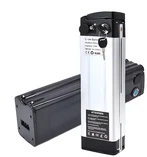
In today's rapidly evolving technological landscape, Battery Management Systems (BMS) have emerged as crucial components in ensuring the safety, efficiency, and longevity of battery-powered devices. As the demand for advanced energy solutions continues to rise, understanding the distinctions between Traditional BMS and Intelligent Battery Management Systems (IBMS) is essential. This article delves into the development, functionality, and future of these two types of battery management systems, providing insights for both industry professionals and enthusiasts.

Understanding Battery Management Systems (BMS)
A Battery Management System (BMS) is an integrated system designed to monitor and manage battery operations. Its primary functions include monitoring individual cell voltages, managing charge and discharge cycles, ensuring thermal stability, and protecting against over-voltage, under-voltage, and short-circuit conditions. A well-functioning BMS is vital for maintaining the health of battery packs, optimizing performance, and extending battery life.
Characteristics of Traditional BMS
Traditional BMS have been the standard in battery management for many years. They typically incorporate basic functions necessary for monitoring and maintaining battery health. Here are some key features:
1. Cost-Effectiveness
One of the significant advantages of Traditional BMS is their relatively low cost. They often employ simpler circuitry and fewer advanced features, making them accessible for many applications. For instance, basic electric vehicles (EVs) and consumer electronics frequently utilize these systems due to budget constraints.
2. Reliability
Traditional BMS are known for their reliability. Since they are less complex, the likelihood of failure is lower. They have been tested extensively over the years and have proven effective in a wide range of conditions. However, their reliability comes at a price-limited functionality.
3. Technical Limitations
While Traditional BMS are effective for basic monitoring and management tasks, they have inherent limitations. They often lack advanced data processing capabilities, making it challenging to implement predictive maintenance or real-time analytics. Furthermore, they are usually not equipped to handle the complexities of modern battery applications, which demand more sophisticated solutions.

The Rise of Intelligent Battery Management Systems (IBMS)
As technology progresses, the limitations of Traditional BMS have led to the development of Intelligent Battery Management Systems (IBMS). These systems integrate advanced technologies, such as artificial intelligence (AI) and the Internet of Things (IoT), to enhance battery management capabilities.
1. Enhanced Data Processing
One of the primary advantages of IBMS is their ability to process large volumes of data in real time. By employing sophisticated algorithms, IBMS can analyze battery performance metrics, predict potential issues, and optimize charging and discharging cycles. This feature significantly improves battery lifespan and performance.
2. Real-Time Monitoring
IBMS systems offer advanced monitoring capabilities, enabling users to continuously track battery health, charge status, and environmental conditions. This real-time data is crucial for applications such as electric vehicles and renewable energy storage, where immediate responses to changing conditions can prevent failures. Furthermore, as building management systems become increasingly connected, integrating IBMS can enhance the overall energy management system within smart buildings.
3. Integration with Smart Technologies
IBMS can seamlessly integrate with smart grid technologies and other automation systems. This integration allows for better energy distribution, optimized charging stations, and enhanced overall efficiency in energy usage. The ability to communicate with other devices and systems marks a significant evolution in battery management technology, especially important in building management.
Technical Comparison of Traditional BMS and IBMS
When comparing Traditional BMS and IBMS, several key technical differences emerge.
1. Architecture
Traditional BMS typically use a centralized architecture, where a single controller manages the entire battery pack. In contrast, IBMS often adopt a distributed architecture, where multiple controllers can communicate with each other. This distributed approach allows for more efficient data management and processing, essential for managing building operations effectively.
2. Communication Protocols
Traditional BMS generally rely on simple communication protocols, such as CAN (Controller Area Network), which limits their scalability. On the other hand, IBMS utilize advanced communication protocols, such as Bluetooth, Zigbee, or Wi-Fi, enabling them to connect with various devices and platforms. This capability enhances their functionality and user accessibility, crucial for building owners aiming to optimize energy consumption.
3. User Interface
The user interface of Traditional BMS is often rudimentary, providing basic information through simple indicators. IBMS, however, offer sophisticated user interfaces, often featuring mobile applications or web dashboards that display detailed analytics and real-time data, improving user engagement and operational insight.
Application Scenarios
1. Traditional BMS Applications
Traditional BMS are widely used in applications where cost is a primary concern and advanced features are not critical. Common examples include:
Consumer Electronics: Laptops, smartphones, and tablets often employ Traditional BMS for battery management, where reliability and cost-effectiveness are paramount.
Basic Electric Vehicles: Entry-level electric vehicles utilize Traditional BMS to keep costs low while still ensuring adequate battery safety.
2. IBMS Applications
The increasing complexity and demand for performance in battery applications have propelled the adoption of IBMS. Key areas include:
Electric Vehicles: IBMS are critical for electric vehicles, where efficient energy management directly impacts performance and range. The real-time monitoring capabilities help in optimizing battery usage based on driving conditions.
Renewable Energy Storage: In solar and wind energy systems, IBMS facilitate optimal energy storage and distribution, ensuring that renewable energy is efficiently harnessed and utilized.

Future Development Trends
As the world shifts towards renewable energy and electric mobility, the BMS landscape is evolving rapidly. Some key trends to watch include:
1. Increased Adoption of IBMS
The demand for intelligent battery management solutions is expected to grow significantly. As more industries recognize the benefits of advanced monitoring and predictive analytics, IBMS will likely become the standard in various applications.
2. Integration with AI and Machine Learning
The integration of AI and machine learning algorithms will enable BMS to become even smarter. These technologies can predict battery failures before they occur, enhancing safety and efficiency. This capability is particularly important in building management systems, where proactive measures can optimize energy efficiency and resource management.
3. Focus on Sustainability
With an increasing emphasis on sustainability, future BMS solutions will likely prioritize eco-friendly practices. This includes optimizing battery life cycles and promoting recycling and reusing batteries to minimize environmental impact. Building owners will benefit from systems that not only enhance energy efficiency but also align with sustainable building practices.

Traditional BMS VS. BMS in the field of electric bicycle batteries
In summary, the shift from traditional BMS to smart BMS represents a significant advance in battery management technology. While traditional BMS are still widely used, they often lack the features needed for modern applications. In contrast, IBMS offers enhanced functionality, real-time monitoring, and seamless integration with smart technologies, making it the first choice for those who prioritize efficiency and performance.
This evolution is in line with broader trends in the e-bike market, where IBMS are increasingly catering to users looking for high performance and energy efficiency. As technology advances, innovations in data processing, artificial intelligence, and sustainability will shape the future of e-bike battery management systems. For e-bike industry professionals and consumers, understanding these differences is critical to making informed decisions in an increasingly electrified and connected world, especially as we begin to embrace more energy-efficient automated e-bike systems.
In the field of electric bicycles (e-bikes), the comparison between Traditional BMS and IBMS involves multiple aspects, including functionality, cost, data processing capabilities, and user experience. Below is a detailed comparison:
1. Functionality and Monitoring
Traditional BMS:
Basic Monitoring: Traditional BMS typically offer basic battery monitoring functions, including monitoring the voltage and temperature of each battery cell. These systems can ensure that the battery operates within a safe range, preventing overcharging and over-discharging.
Simple Management: Traditional systems manage charging and discharging cycles but do not support complex operations, such as dynamically adjusting charging rates or performing in-depth analysis.
IBMS:
Advanced Features: IBMS not only provide real-time monitoring but also execute various advanced functions, such as smart charging strategies and temperature control. These systems can automatically adjust parameters based on environmental conditions and battery status to optimize performance.
Fault Prediction: Through integrated algorithms, IBMS can analyze battery data to predict potential failures. This predictive capability helps users take action before issues arise, thereby extending battery lifespan.
2. Cost and Complexity
Traditional BMS:
Cost-Effectiveness: Traditional BMS are generally more economical due to their relatively simple structure, making them suitable for entry-level e-bikes and users with limited budgets. Their low cost allows them to maintain a presence in the market.
Installation and Maintenance: With lower complexity, installation and maintenance are straightforward, requiring no highly skilled technicians to operate.
IBMS:
Higher Initial Investment: Although IBMS come with higher upfront costs, their long-term benefits and performance improvements can yield better returns over time, especially suitable for high-performance e-bikes.
Return on Investment: The smart management and optimization provided by IBMS can significantly enhance battery usage efficiency, reducing energy losses and delivering better economic benefits throughout the e-bike's lifecycle.
Data Processing Capabilities
Traditional BMS:
Limited Data Analysis: Traditional BMS typically provide only basic battery status information, such as voltage and current. This limitation makes it challenging for users to gain in-depth insights into battery health and performance.
Manual Monitoring: Users may need to rely on external devices to gather more comprehensive data analysis, such as calculating battery capacity and tracking energy consumption.
IBMS:
Powerful Data Processing: IBMS possess robust data processing capabilities, allowing for real-time analysis of battery operating status and providing deep data insights, including charging and discharging curves and temperature variations.
Intelligent Decision-Making: By continuously monitoring and analyzing data, IBMS can automatically make smart decisions during e-bike usage, optimizing charging times and methods to extend battery life.
4. User Experience
Traditional BMS:
Basic User Interface: Traditional BMS typically feature a rudimentary user interface, providing only basic indicators and numerical displays, limiting the information available to users.
Inconvenient Information Access: Users often need to rely on external tools to obtain more comprehensive battery performance information, which can be cumbersome.
IBMS:
Advanced User Interface: IBMS usually come equipped with modern user interfaces, potentially including mobile apps and web platforms that allow users to monitor battery status, view historical data, and assess operational efficiency in real time.
Interactive Experience: Users can monitor battery performance via smartphones and other devices, receiving tailored usage suggestions, significantly enhancing user engagement and satisfaction.
5. Application Scenarios and Suitability
Traditional BMS:
Suitable for Basic Needs: Ideal for e-bikes where battery management requirements are not high, such as low-speed urban commuting models, where users prioritize price over performance.
Market Share: Traditional BMS still maintain a significant market share in budget-conscious segments.
IBMS:
High-Performance Requirements: Ideal for high-end e-bikes, particularly for users who require long range and high efficiency. IBMS can meet the growing demand for performance and safety in the market.
Future Trends: As the e-bike market evolves, IBMS, with their smart features, are increasingly becoming the standard choice, particularly among users focused on performance and efficiency.