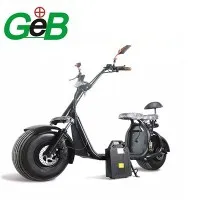
Why BMS Is Important for Ebike Batteries: Safety, Longevity, Performance & Cost Explained,electric bike batteries face real stress every day - high discharge currents, frequent charging, varying temperatures, and long hours on the road. At the center of making these lithium packs work safely and last is the Battery Management System, or BMS.
A BMS is the electronic brain inside the battery pack. It constantly watches voltage, current, and temperature on every cell, then makes quick decisions to protect the pack and deliver consistent power. Without a solid BMS, even a high-quality lithium cell group can quickly become unreliable or dangerous.
At GEB, we build Ebike Batteries for daily commuters, delivery fleets, and performance riders. After years of testing packs in real-world conditions, we see one pattern clearly: a well-designed BMS separates a battery that lasts from one that fails early. This article breaks down exactly why the BMS matters and what to look for when choosing one.

What Is a BMS in an Ebike Battery?
The BMS is an integrated circuit board that sits inside the battery pack and manages every aspect of its operation. Think of it as the control center that keeps dozens of lithium cells working together instead of fighting each other.
Hardware-wise, it includes voltage and temperature sensors on each cell group, current sensors, a microcontroller, balancing circuits, and MOSFET switches that can cut power in milliseconds. The software side runs algorithms that monitor data in real time and adjust behavior - whether slowing a charge to avoid heat or balancing cells during storage.
Modern BMS units go further. They calculate State of Charge (SOC) for accurate range display, track State of Health (SOH) to predict when performance will drop, and communicate with the bike's controller or phone app via Bluetooth or CAN bus.
In short, the BMS turns a simple collection of cells into a smart, protected energy system.
Core Functions of Ebike Battery BMS
Here are the main jobs a BMS performs in an ebike pack:
- Voltage monitoring and overcharge/over-discharge protection
- Current limiting and short-circuit protection
- Temperature sensing with automatic cut-off if limits are exceeded
- Active or passive cell balancing to keep every cell at similar voltage
- Fault detection and isolation of weak cells
- Data output for SOC, SOH, and error logging
These functions run continuously. When the rider twists the throttle hard or plugs in a charger on a hot day, the BMS makes the adjustments needed to keep everything within safe bounds.
Why Is BMS So Important for Ebike Batteries?
Ebike battery packs work under tougher conditions than most consumer lithium batteries. High continuous currents, vibration, and temperature swings are normal. A good BMS handles that stress. Here is how it delivers value in practice.
How Does BMS Ensure Safety?
Safety comes first. Lithium cells store a lot of energy, but they do not tolerate abuse well.
The BMS prevents overcharging by cutting the charge current once any cell reaches its upper voltage limit. It stops over-discharge before any cell drops too low and risks permanent damage. It watches for sudden current spikes that signal a short circuit and opens the circuit instantly using MOSFETs. Temperature sensors trigger protection if the pack gets too hot from fast charging, heavy riding, or hot weather.
We have seen packs without proper BMS protection swell, vent, or in worst cases start thermal events after misuse. Even using a mismatched charger with a generic DC plug can push voltage too high if no BMS is watching. A reliable BMS stops these problems before they start.
How Does BMS Extend Battery Lifespan?
Cell imbalance is one of the fastest ways to kill a pack. One weak cell drags the whole group down. The BMS actively balances cells during charge or idle periods so every cell ages at roughly the same rate.
It also keeps the pack away from the voltage and temperature zones that accelerate chemical aging. In our testing and field data, packs with strong balancing and tight protection routinely reach 800–1000+ cycles before dropping to 80% capacity. Packs that run without good balancing or protection often show noticeable capacity loss after just a few hundred cycles.
That difference means fewer replacements and lower long-term cost for the rider.
How Does BMS Optimize Performance and Efficiency?
A good BMS does more than protect - it helps the bike perform better.
It maintains stable voltage under load, so the motor gets consistent power instead of sagging when you need torque on a hill. Accurate SOC calculation gives the rider a realistic remaining range instead of guesswork. Dynamic current limiting prevents sudden cutouts while still allowing peak power when safe.
On the charging side, smart BMS units allow faster charging rates without overheating cells. The result is smoother acceleration, more predictable range, and fewer annoying mid-ride surprises.
How Does BMS Reduce Total Cost of Ownership?
Adding a decent BMS increases the pack cost by roughly $20–80 depending on features and current rating. That looks small next to the price of a full battery replacement when things go wrong.
A properly managed pack needs fewer service visits, suffers fewer sudden failures, and lasts longer before capacity drops below usable levels. For fleet operators this means lower downtime and warranty claims. For individual riders it means more miles between replacements and less worry about being stranded.

How to Choose a Reliable Ebike BMS
When evaluating a battery or BMS, look at these practical points:
- Continuous and peak current rating - must match or exceed your motor controller needs
- Number of series cells supported (10S, 13S, 14S, etc.) and balancing current (higher is better for large packs)
- Communication features - Bluetooth for phone monitoring is useful for daily riders and fleets
- Protection features and response speed - especially temperature and short-circuit handling
- Certifications and compliance - look for CE, UL, and alignment with regional safety standards such as GB17761-2018 in China
Avoid the cheapest "no-name" boards that cut corners on components. They often fail at balancing or protection when the pack is stressed. At GEB we test every BMS design under extended high-load and thermal cycling before it goes into production. That extra validation step costs us time but saves customers trouble later.
Future Trends of BMS in the Ebike Industry
BMS technology continues to evolve. Newer designs incorporate better algorithms for predictive maintenance, AI-assisted diagnostics, and over-the-air updates in connected systems.
Second-life applications are also growing - a robust BMS provides the detailed SOH data needed to repurpose retired ebike packs for stationary energy storage. Regulations worldwide are tightening safety requirements, making a capable BMS not just useful but often mandatory for legal compliance.
FAQ
What does BMS stand for in Ebike Batteries?
Battery Management System. It is the electronic system that monitors and controls the lithium cells inside the pack.
Can I ride my ebike without a BMS?
Technically possible for very short tests, but not recommended. Without protection, cells can quickly become unbalanced, damaged, or unsafe.
How do I know if my BMS is failing?
Common signs include sudden power cutoffs under load, the pack charging to "full" very quickly but delivering short range, or the battery refusing to output power even when voltage reads normal.
Does a better BMS really extend battery life?
Yes. Proper cell balancing and protection from over-stress are two of the biggest factors in reaching higher cycle counts.
Is a Bluetooth/smart BMS worth the extra cost?
For most daily users and fleets, yes. Real-time monitoring and fault alerts help catch problems early and improve daily usability.
What makes GEB's BMS different?
We design and validate our BMS boards specifically for ebike duty cycles, with strong balancing current, fast protection response, and long-term reliability testing.
Conclusion
A BMS is not an optional extra inside an ebike battery. It is the component that decides whether the pack stays safe, delivers consistent power, and lasts through hundreds of charge cycles or becomes a source of frustration and expense.
At GEB we have spent years refining BMS hardware and firmware because we see the difference it makes in real riding conditions. When you choose a battery with a properly engineered BMS, you get more than cells and a case - you get a system that works with you instead of against you.
If you are sourcing Ebike Batteries or evaluating suppliers, pay close attention to the BMS. It is often the part that matters most once the bike leaves the warehouse.
Need help specifying the right BMS configuration for your ebike project? Our team is happy to review your voltage, current, and pack size requirements and recommend the best solution.
Contact GEB today to discuss your next battery build.