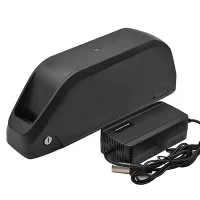
In recent years, electric bicycles have surged in popularity across the globe. With increasing urbanization, environmental concerns, and a growing preference for sustainable transportation, electric bikes (e-bikes) have quickly become a preferred choice for commuters and recreational riders alike. One of the critical factors determining the performance and appeal of e-bikes is the battery. As the heart of the system, the battery not only powers the motor but also directly impacts the bike's range, speed, and overall efficiency. Without a doubt, choosing the right battery is essential for getting the most out of your e-bike, ensuring that it meets your specific needs.
In this article, we will focus on the 36V 13Ah e-bike battery, paired with a 750W motor. By understanding the specifications, capacity, and advantages of this particular battery, you'll be better equipped to make an informed decision for your e-bike setup.
GEB specializes in high-quality lithium batteries for electric bicycles and offers comprehensive solutions to meet your customized electric bicycle battery needs. We invite you to contact us by email to learn more about our professionally designed batteries.( sales@gebattery.co )
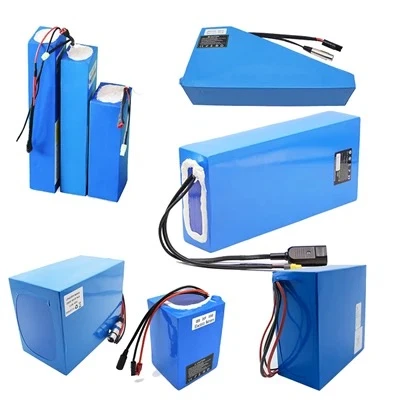
Overview of the 36V 13Ah Ebike Battery
When it comes to choosing an e-bike battery, understanding its specifications is key to ensuring it matches your riding requirements. The 36V 13Ah battery, a popular choice for many e-bike enthusiasts, strikes a balance between power and range, making it a versatile option for riders looking for an efficient and reliable battery system.
Basic Specifications of the 36V 13Ah Battery
The 36V 13Ah battery operates at 36 volts, which refers to the voltage at which the battery operates. Voltage plays a crucial role in the overall performance of the electric motor, affecting factors such as maximum speed, torque, and power output. In combination with a 13Ah (amp-hour) capacity, this battery is designed to deliver a reasonable amount of power for extended periods, balancing efficiency with practicality.
To understand its capacity, we can multiply the voltage by the amp-hour rating, which gives us the total energy storage of the battery in watt-hours (Wh). For the 36V 13Ah battery, the total energy capacity is:
36V×13Ah=468Wh
This indicates that the battery can store 468 watt-hours of energy, which translates to how much electrical energy is available to power the motor.
Battery Capacity and Range: Understanding the Relationship
Now that we know the total energy storage of the 36V 13Ah battery, it's important to understand how this capacity translates into real-world performance, particularly in terms of range.
The range of an e-bike depends on several factors, including the battery's energy capacity, the motor's power, and the rider's behavior. To estimate the potential range, we can use a simplified formula, as described in Reference Article 3:
Range (km)=Volts×Ah×Maximum Speed / Motor Power
For example, for a 36V 13Ah battery paired with a 250W motor and a maximum speed of 25 km/h, the range would be approximately:
Range (km)=36×13×25/250 =46 km
This formula allows us to calculate the expected range under ideal conditions (i.e., flat terrain and moderate use). It's essential to note that the actual range may vary based on factors such as the terrain, rider weight, and environmental conditions. For example, riding uphill or in windy conditions will reduce the overall range.
Comparison with Other Battery Specifications
While the 36V 13Ah battery is a great middle-ground option for many riders, it's useful to compare it with other common battery configurations to understand its relative advantages and limitations.
- 48V Batteries: A 48V battery typically offers more power, which can result in better performance, especially on hills. The higher voltage allows the motor to deliver more torque, making it more efficient in demanding conditions. However, 48V systems usually come with larger, heavier batteries, which can impact the overall weight and handling of the bike.
For example, a 48V 17.5Ah battery (840Wh) would offer a much higher capacity and potentially a longer range (around 84 km in ideal conditions). This makes it more suitable for longer trips or for riders who frequently tackle challenging terrain.
- 24V Batteries: On the lower end of the spectrum, 24V batteries are more affordable but come with less power and reduced range. These are typically found on entry-level e-bikes and are suitable for casual, short-distance riders who don't require significant power output.
The 36V 13Ah battery offers a sweet spot for riders who need a balance between power and range, without the weight and cost of higher-voltage systems. It is particularly well-suited for urban commuters, recreational riders, and anyone looking for a reliable, efficient power source for typical everyday riding.
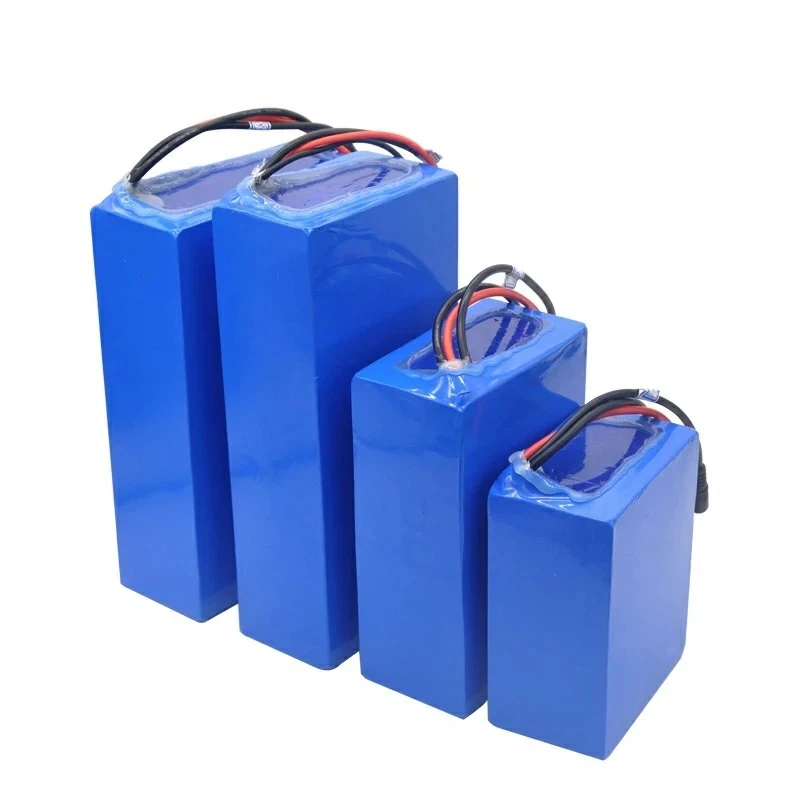
The 750W Motor and 36V 13Ah Battery Combo
Motor Power and Battery Matchup
When it comes to electric bicycles, the combination of motor power and battery capacity plays a pivotal role in determining the overall performance. A 750W motor, when paired with a 36V 13Ah battery, strikes a practical balance between power, speed, and range. This setup ensures that the motor can deliver substantial assistance to the rider without draining the battery too quickly.
In terms of power, a 750W motor is considered a robust option for most recreational and commuting purposes. It provides more than enough torque to handle moderate inclines and offer faster acceleration compared to lower-powered motors (such as 250W). However, the 36V 13Ah battery, with a total energy capacity of 468Wh, ensures that this increased power doesn't come at the cost of overly limited range.
In practice, the 750W motor will provide an excellent balance between speed and range on flat terrain or slightly hilly environments. The motor's ability to assist with acceleration, coupled with the 36V 13Ah battery's sufficient energy storage, means riders can enjoy a smooth and efficient ride over various distances. The combination is ideal for moderate cyclists looking for a strong boost without compromising on the range needed for regular commuting or weekend trips.
However, like any e-bike setup, the overall performance is impacted by the rider's usage. Aggressive acceleration, heavy usage of the throttle, and continuous high-speed riding may reduce the range as more power is consumed.
Power Output and Acceleration
A key aspect of the 750W motor is its capability to deliver significant power during acceleration. Whether you're starting from a stop, overtaking another cyclist, or tackling a gentle incline, the 750W motor ensures you have enough power for a smooth and responsive experience. The motor's higher wattage compared to smaller motors gives riders a noticeable boost, especially when quick acceleration is required.
In real-world usage, this means that when you need to speed up quickly (say, to catch up with traffic or overtake an obstacle), the 750W motor provides a noticeable advantage. You will feel the difference in acceleration when compared to a typical 250W motor, which may struggle to offer the same level of responsiveness, particularly on inclines.
As for climbing abilities, this 750W motor excels in flat and moderately hilly terrains, offering enough torque to maintain good speed on mild inclines. However, for steep hills or long climbs, even this motor may require some assistance from the rider's pedaling. It is important to note that battery performance will also be impacted by such terrain, as higher power demands will drain the battery faster.
On more challenging uphill paths, riders might experience a reduction in the bike's range, especially if the battery is heavily utilized. A rider who prefers to tackle steep inclines might want to consider higher-voltage systems, like 48V, for more consistent power delivery.
Factors Affecting Battery Performance
Climate and Environmental Factors
The performance and lifespan of lithium batteries, such as the 36V 13Ah battery, can be significantly influenced by environmental conditions, especially temperature. Both high and low temperatures can cause the battery's performance to degrade, leading to reduced efficiency, capacity, and overall lifespan.
- High Temperatures: When exposed to high temperatures, the battery can experience accelerated chemical reactions inside the cells, which could shorten its lifespan and degrade its performance. Excessive heat can lead to overcharging and increased internal resistance, which results in a faster depletion of the battery's energy. Riders who live in hot climates should take extra care to store their batteries in cool, shaded areas when not in use and avoid charging the battery immediately after a long ride in high heat.
- Low Temperatures: Cold weather, on the other hand, causes the internal resistance of the battery to increase, making it more difficult for the battery to release its stored energy. As a result, you may notice a significant decrease in range during winter months or when riding in extremely cold conditions. The battery's overall efficiency is reduced, and in some cases, performance can temporarily stop until the battery returns to a more moderate temperature.
To maintain the battery's performance and longevity, it's best to store the e-bike and its battery in a temperature-controlled environment. Additionally, when riding in extreme conditions, riders can use battery insulation covers to protect against the cold.
Riding Habits and Load
In addition to environmental factors, a rider's habits and the weight load on the bike can have a considerable impact on battery performance.
- Riding Habits: Riders who rely heavily on the throttle, engaging in rapid accelerations and high-speed riding, tend to consume more battery power than those who pedal more regularly and use the motor in a balanced manner. Consistent high power demands-whether from fast acceleration, sustained high speeds, or frequent stops and starts-cause the motor to draw more from the battery, ultimately shortening the range. This is a common issue for riders who mainly use the throttle, as opposed to those who alternate between pedaling and motor assistance.
- Body Weight and Bike Load: A rider's weight is another significant factor in determining the battery's efficiency and range. Heavier riders place more strain on the battery and motor, particularly when climbing hills or accelerating. This is because more energy is required to move a heavier mass, causing the motor to draw more power from the battery.
Moreover, any additional load on the bike, such as cargo racks or panniers, will increase the power demands of the motor. Carrying heavy loads requires more torque and energy, resulting in faster battery depletion. Riders who frequently carry large amounts of gear should consider a larger capacity battery or opt for a higher-voltage system to ensure that their battery can handle the extra load without compromising too much on range.

GEB's Battery Advantages and Services
Company Background and Battery Advantages
At GEB, we understand that the performance of your electric bike is directly tied to the quality of its battery. As a leading source battery manufacturer since 2009, we provide e-bike batteries that are designed to meet the highest industry standards. We specialize in crafting custom battery solutions tailored to specific needs, ensuring that you get the most out of your e-bike setup.
One of the key advantages of sourcing your battery from GEB is our ability to provide not only standard battery models but also fully customized solutions. Whether you need a specific voltage, capacity, or special configurations for your electric bike, we offer the flexibility to meet your requirements precisely.
Battery Quality and Services
GEB batteries stand out for their reliability, efficiency, and long-lasting performance. Our advanced manufacturing processes and rigorous quality control procedures ensure that every battery we produce is safe, durable, and capable of providing consistent power over many years of use.
Our services go beyond just battery production. We offer full turnkey project solutions, from the initial design phase to the final product assembly. By working directly with us, you bypass middlemen, ensuring first-hand pricing and enhanced supply chain stability. We can also assist with PACK design and assembly, providing you with a comprehensive solution that meets your project's unique demands.
With GEB, you can rest assured that you're not just getting a high-quality product but also access to expert guidance and dedicated customer service throughout your entire project. ( sales@gebattery.co )
Conclusion
In conclusion, the 36V 13Ah battery combined with a 750W motor provides a balanced and powerful e-bike solution suitable for everyday commuting and recreational rides. With a focus on optimal power, range, and efficiency, this combination offers an excellent riding experience, particularly for those navigating flat terrain and moderate inclines.