


Electric bikes have become one of the most common means of urban transportation today. For city commuting, leisure riding, or even delivery services, they offer a highly convenient way to get around. As a manufacturer specializing in providing high-quality batteries for e-bike brands, we know very well that it is the advancement of battery technology that has been driving the entire industry forward.
As the core source of power for e-bikes, batteries come in many different specifications, with the 48V e-bike battery being among the most common. If you happen to be weighing the decision of whether to use a 48V e-bike battery, this article will provide you with a detailed answer.
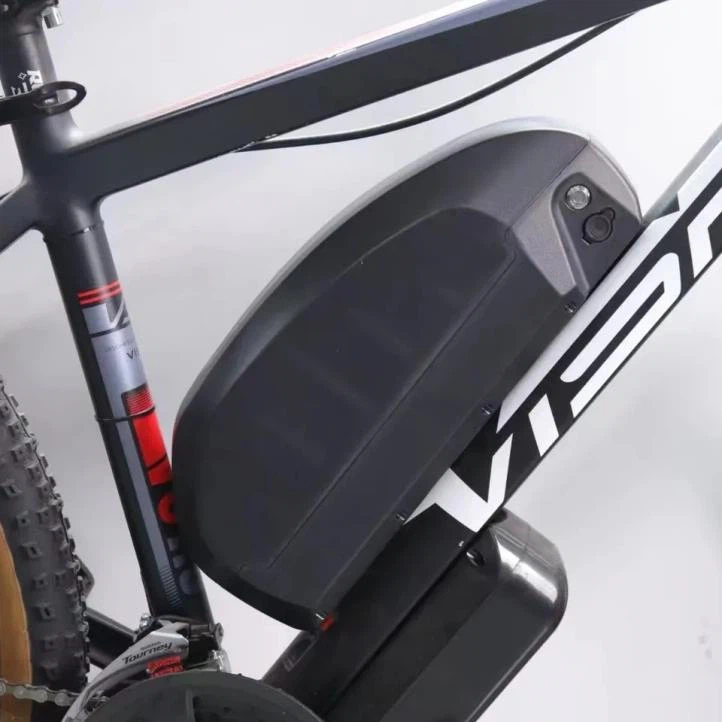
What Is a 48V E-Bike Battery?
A 48V e-bike battery is a rechargeable power source designed to deliver 48 volts to an e-bike's motor and controller. These batteries are commonly built using lithium-ion (Li-ion) or lithium iron phosphate (LiFePO4) cells, with capacities ranging from 10Ah to 30Ah. Depending on the configuration, a 48V battery can efficiently power motors from 250W up to 1500W, enabling stronger acceleration, reliable hill-climbing capability, and extended range compared with lower-voltage options.
From a technical standpoint, a Battery Management System (BMS) is typically integrated to safeguard against overcharging, deep discharging, or short circuits. The chemistry of 48V packs also offers high energy density, meaning greater power output without excessive weight. In addition, many are compatible with 2A–5A chargers, allowing significantly faster recharging than traditional setups.
Compared with the more common 36V e-bike battery, a 48V unit provides a measurable increase in torque and efficiency, making it an attractive choice for riders who demand more than casual urban commuting.
Key Advantages of 48V Batteries
The growing popularity of 48V systems is not accidental. They present a combination of technical and practical advantages that appeal to a wide range of riders.
1. Power and Performance
A higher voltage translates into greater torque delivery and the ability to sustain higher speeds. While a typical 36V battery may limit you to around 20 mph, a 48V battery paired with pedal assist can comfortably support speeds approaching 28 mph. This makes it particularly valuable for steep inclines, off-road trails, or heavy-load applications such as cargo bikes. For instance, some models equipped with a 48V pack demonstrate ranges of 70–90 miles per charge, far exceeding the limits of similar 36V-based systems.
2. Extended Range
Voltage efficiency allows a 48V pack to achieve more miles per charge. A 15Ah unit can often cover 40–60 miles, while a 20Ah model extends this to 60–80 miles under moderate conditions. The difference becomes especially clear when comparing long commutes or rural rides, where lower-voltage batteries tend to drain quickly.
3. Efficiency and Longevity
Because a 48V system delivers the same power at a lower current, heat generation is reduced, leading to improved electrical efficiency and reduced stress on wiring and connectors. This also extends battery life. A high-quality 48V lithium battery, when maintained correctly, can deliver 500–2000 charge cycles, or roughly 3–5 years of consistent service.
4. Versatility Across Applications
Unlike more specialized 52V or 72V packs, which often target performance or motorcycle-grade systems, 48V batteries occupy a balanced middle ground. They are compatible with city commuters, mountain bikes, folding e-bikes, and even heavy-duty cargo setups, making them one of the most adaptable voltage standards on the market.

Limitations and Trade-Offs
Despite their advantages, 48V e-bike batteries are not universally ideal. Understanding the trade-offs is essential before investing.
1. Cost Considerations
On average, a 48V battery costs between $500 and $700, compared with $300–$400 for a 36V pack of similar capacity. Larger 21Ah or 22Ah models can climb well above this range. While lithium and sodium-based chemistries improve cost efficiency over time, the initial purchase price is still a barrier for budget-conscious riders.
2. Weight and Portability
Higher capacity often comes with added bulk. A 20Ah 48V battery can be significantly heavier than its 36V counterpart, which may reduce convenience for riders who frequently remove or carry their battery, particularly those using folding bikes.
3. Compatibility Requirements
Not every motor and controller is designed to accept 48V input. Attempting to pair a 48V battery with a 36V-specific system risks damaging electronic components. Ensuring compatibility before upgrading is critical.
4. Safety and Quality Risks
The market has seen a surge of low-cost, unverified 48V packs, particularly from non-certified online vendors. Poor-quality cells can result in voltage imbalance, capacity loss, or even fire hazards. To mitigate risk, reputable brands such as Samsung, LG, or TST EBike are strongly recommended, along with UL or CE certification.
Who Benefits Most From 48V Batteries?
Not every rider requires a 48V system, but for those with higher demands, it can be transformative.
- Urban Commuters: For daily rides under 10 miles on flat terrain, a 36V battery remains adequate and more affordable.
- Hilly or Mixed Terrain Riders: If your route includes steep climbs or variable terrain, the extra torque from a 48V battery ensures smoother performance.
- Long-Distance Commuters: Riders covering 40+ miles per charge will notice significant improvements in range and reduced charging frequency.
- Cargo and Utility Riders: For delivery services or heavy loads, the enhanced efficiency and power output of a 48V system provide reliability where 36V may fall short.
- Performance Enthusiasts: While not as aggressive as 52V packs, 48V batteries strike an ideal balance for riders seeking speed, acceleration, and endurance without the cost and weight extremes.
Real-world accounts reinforce these points. Commuters report that a 48V 20Ah battery can complete an 11-mile journey with two-thirds of capacity still remaining, something their 36V systems struggled to achieve. DIY riders upgrading from a 14Ah to a 20Ah 48V pack have documented range increases of nearly 40%, with no compatibility issues when paired with the right controller.
Conclusion: Are 48V E-Bike Batteries Worth It?
For most riders seeking a balance of power, range, and long-term efficiency, the 48V e-bike battery is indeed worth the investment. It provides stronger torque, longer range, and superior durability compared with 36V systems, without reaching the cost and specialization of 52V or 72V packs.
However, the decision should remain context-dependent. If your use case involves short urban commutes, minimal climbing, and tight budgets, a 36V system still makes sense. Conversely, if you value extended range, better climbing capability, and reliable long-term service, a 48V battery represents the most practical and versatile upgrade currently available.
In short, a 48V e-bike battery is not just an incremental improvement-it can redefine your riding experience when matched with the right needs and equipment.


