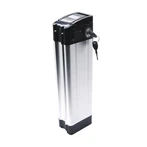
Battery overheating is one of the most common and concerning issues faced by users of electronic devices and electric vehicles. From smartphones and laptops to high-capacity e-bike batteries, overheating not only reduces performance and lifespan but can also pose serious safety risks such as swelling, leakage, or even fire and explosion.
In this article, we will analyze the main causes of battery overheating and provide practical solutions to fix and prevent it. Whether you are a daily commuter using an e-bike, a consumer relying on lithium-ion devices, or simply looking for battery maintenance tips, this guide will help you ensure safety and extend the life of your batteries.

Main Causes of Battery Overheating
1. Battery Aging and Internal Faults
Over time and after hundreds of charge/discharge cycles, batteries undergo irreversible chemical changes. This leads to higher internal resistance, electrolyte loss, and reduced efficiency. As a result, more energy is dissipated as heat, causing abnormal battery overheating.
One of the most dangerous outcomes of aging is internal short-circuiting, often caused by plate deformation, separator damage, or dendrite growth. This can trigger a vicious cycle of local overheating and further shorting. Typical signs include unexplained heating during idle storage, rapid capacity drop, or visible swelling of the case.
Solution: Severely aged batteries should be replaced. If range drops below 60% of original capacity, charging time shortens drastically, or casing becomes deformed, replacement is necessary. For lead-acid batteries, mild aging can be temporarily managed by adding distilled water/electrolyte or using pulse repair chargers, but lithium-ion batteries should always be handled by professionals due to their complexity and safety risks.
2. Charger Issues
Charging problems are another major cause of battery overheating, responsible for nearly 30% of e-bike battery incidents.
- Mismatched voltage: Using a 60V charger for a 48V battery causes overcharging, excessive heat, and inability to terminate charging.
- Poor-quality chargers: Cheap chargers often lack overcharge protection, temperature compensation, or automatic cutoff, leading to unsafe voltage and heat accumulation.
- Loose plugs: Poor contact increases resistance, causing local overheating at sockets and connectors.
Solution: Always use the original or parameter-matched charger. Avoid quick charging stations with high current output, which accelerate battery aging. For safety, invest in intelligent chargers with multi-stage charging, temperature sensors, and automatic shutoff. Ensure charging is done in a well-ventilated environment, away from flammable coverings.
3. Over-Discharge and Heavy Loads
During riding, it is normal for the battery to generate some heat, but excessive discharge current or heavy loads can cause rapid temperature rise.
- Over-discharge occurs when discharge current exceeds rated capacity (C-rate). For example, a 20Ah battery should ideally not exceed 10A continuous discharge (0.5C).
- Heavy loads such as carrying passengers, cargo, or climbing steep hills increase current demand, leading to overheating.
- Motor or controller faults (e.g., winding short circuits, demagnetization) also raise current draw, adding stress to the battery.
Solution: Match battery capacity with motor power. For frequent heavy use, upgrade to larger-capacity packs (e.g., 32Ah instead of 20Ah). Avoid illegal modifications such as speed unlocking or oversized motors. Adopt good riding habits-accelerate smoothly, assist with pedaling uphill, and maintain proper tire pressure to reduce load.
4. Environmental Temperature and Poor Heat Dissipation
High ambient temperature is one of the most underestimated causes of battery overheating. In summer, an e-bike battery left under direct sunlight can exceed 60°C before charging even begins. Charging in such conditions accelerates electrolyte evaporation and increases the risk of thermal runaway.
Poor ventilation also worsens overheating. Dust buildup inside battery compartments, placing batteries under blankets, or packing multiple units tightly together prevents heat dissipation. Lithium-ion battery packs, due to their high energy density, are especially vulnerable to localized hot spots.
Solution:
- Park and charge in shaded, well-ventilated areas.
- Avoid charging at peak afternoon heat; mornings and evenings are safer.
- Keep at least 5cm spacing between batteries during charging.
- Clean battery compartments regularly to ensure proper airflow.
- In cold winters, avoid immediate charging after bringing in frozen batteries-let them stabilize at room temperature first.
5. Battery Type Differences
The type of battery plays a big role in overheating behavior:
Lead-acid batteries: Overheating tends to develop gradually due to electrolyte loss, sulfation, or plate deformation. While fire risks are lower, users should regularly check electrolyte levels and refill distilled water when necessary.
Lithium-ion batteries: Far more efficient but also riskier. Lithium-ion battery overheating causes include internal short circuits, high charging currents, and chain reactions inside the pack. Once thermal runaway begins, the process is explosive and irreversible, with temperatures reaching over 600°C within minutes.
Solution: For lithium-ion packs, rely on a Battery Management System (BMS) to monitor voltage and temperature. Stop usage if temperatures exceed 60°C. For high-end users, consider batteries with built-in thermal control or warning alarms.

Risks of Battery Overheating
- Performance degradation: Lower efficiency and shorter range.
- Shortened lifespan: Accelerated aging of cells.
- Severe safety hazards: Swelling, electrolyte leakage, fires, or explosions.
These risks highlight why knowing the causes of battery overheating and applying the right solutions is essential for both everyday users and professional applications.
How to Prevent Battery Overheating
- Adopt safe charging habits: Avoid overcharging, use the correct charger, and charge in ventilated areas.
- Practice smart riding and usage: Avoid overloading, use pedal-assist uphill, and maintain proper vehicle conditions.
- Temperature control: Keep batteries out of direct sunlight, don't charge immediately after exposure to extreme temperatures.
- Regular maintenance: Inspect connectors, clean terminals, and check for swelling or deformation.
- Choose certified batteries: Ensure compliance with CE, FCC, or UL standards for higher safety assurance.
Conclusion
Battery overheating is not a sudden accident but usually a gradual process caused by aging, charging issues, improper usage, or environmental conditions. By understanding the causes of battery overheating and following proven solutions, users can significantly extend battery life, improve performance, and prevent serious safety incidents.
If you are looking for reliable and durable e-bike batteries with optimized safety design, feel free to contact us for professional recommendations and tailored solutions.