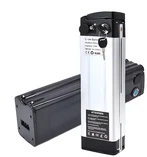
Batteries serve as the backbone of modern energy storage systems, driving technologies from electric vehicles (EVs) to renewable energy solutions. A deeper understanding of cycle life and the mechanisms behind battery degradation is crucial for optimizing performance and extending the lifespan of batteries. This article will explore these topics in detail, providing readers with valuable insights to make informed choices.

Understanding Cycle Life
Cycle life is a fundamental metric that defines the longevity of a battery. It quantifies the number of complete charge and discharge cycles a battery can endure before its capacity diminishes to a specified threshold-commonly set at 80% of its original capacity. The cycle life varies significantly across different battery chemistries, influenced by factors such as operating conditions and usage patterns.
Measuring Cycle Life
Cycle life is typically measured under controlled conditions, where batteries undergo standardized charge-discharge cycles. These cycles simulate real-world usage, incorporating various charge rates and ambient temperatures to reflect different applications. For instance, lithium-ion batteries for electric vehicles often exhibit cycle lives ranging from 500 to 2,000 cycles, while lithium iron phosphate (LFP) batteries can exceed 3,000 cycles due to their inherent stability.
Capacity Degradation Mechanisms
Capacity fade is an inevitable aspect of battery aging, driven by a combination of electrochemical and physical processes. Below are the primary degradation mechanisms that contribute to this phenomenon:
1. Electrode Material Degradation
The performance of a battery heavily relies on the integrity of its active materials. In lithium-ion batteries, graphite is commonly used as the anode material. During cycling, lithium ions (Li ions) intercalate and de-intercalate within the graphite structure. Over time, the growth of the solid electrolyte interphase (SEI) layer consumes active lithium and creates resistance, leading to capacity fade. LFP batteries, on the other hand, maintain a more stable structure due to their olivine crystal arrangement, which is less susceptible to structural changes during cycling.
2. Thermal Effects
High temperatures significantly impact battery performance. Elevated ambient temperatures can accelerate undesirable side reactions within the battery, potentially leading to thermal runaway-a critical failure mode characterized by rapid temperature increases and release of flammable gases. This not only shortens battery life but can also pose safety risks. Conversely, low temperatures increase internal resistance and decrease charge acceptance, leading to challenges in maintaining the desired state of charge (SOC). Therefore, effective thermal management is essential to prolonging cycle life.
3. Charge-Discharge Rates
The discharge rate at which a battery is charged and discharged significantly affects its degradation. High charge and discharge rates can cause mechanical stress on the electrode materials, leading to micro-cracking and reduced electrochemical activity. This stress can also generate heat, exacerbating thermal effects. A well-designed battery management system (BMS) can optimize charge rates, ensuring that they remain within safe limits to prolong cycle life.
4. Chemical Reactions
In addition to mechanical degradation, electrochemical reactions can significantly impact battery capacity. For example, lithium plating can occur during fast charging or at low temperatures, leading to a loss of active material and further capacity fade. Monitoring electrolyte health and replacing it when necessary can help mitigate these issues.
5. Environmental Factors
External environmental conditions, such as humidity and exposure to pollutants, can further exacerbate battery degradation. Elevated humidity levels can lead to corrosion of internal components, while contaminants can interfere with the electrochemical reactions within the battery. Implementing protective measures, such as sealed enclosures and desiccants, can enhance the resilience of batteries against environmental factors.
Comparing Lithium-Ion and LFP Batteries
When comparing lithium-ion and LFP batteries, the differences in their degradation mechanisms become apparent. Lithium-ion batteries generally offer high energy density, making them suitable for applications where weight and space are critical. However, they tend to have shorter cycle lives due to their susceptibility to thermal effects and electrode degradation. In contrast, LFP batteries provide lower energy density but excel in cycle life and thermal stability, making them ideal for applications requiring safety and longevity, such as electric buses and stationary energy storage systems.

Practical Strategies to Extend Battery Life
To maximize cycle life and minimize capacity degradation, users can adopt several practical strategies:
Temperature Management: Employ thermal management systems to maintain battery temperature within optimal ranges, ideally between 20°C to 25°C.
Smart Charging Techniques: Use advanced BMS to implement features like adaptive charging, which adjusts charge rates based on battery condition and usage patterns.
Regular Maintenance: Periodic health checks and monitoring of battery parameters, such as state of health (SOH) and state of charge (SOC), can help identify potential issues before they escalate.
Usage Monitoring: Educate users on optimal charging habits, such as avoiding full discharges and not keeping the battery at maximum charge for prolonged periods.


How to buy E-bike batteries with long life
Brand GEB belongs to General Electronics Technology Co., LTD. It is a professional manufacturer of electric bicycle lithium batteries. GEB means getting energy from our battery. This brand name is famous in the global lithium battery industry. Our factory was established in 2009 and is located in Shenzhen. Now, we have more than 180 employees, our annual sales of more than 30 million US dollars, and have become leaders of the industry. Our products mainly includes electric bicycle battery, scooter battery, motorcycle battery, power tool battery, forklift battery and toys car battery.
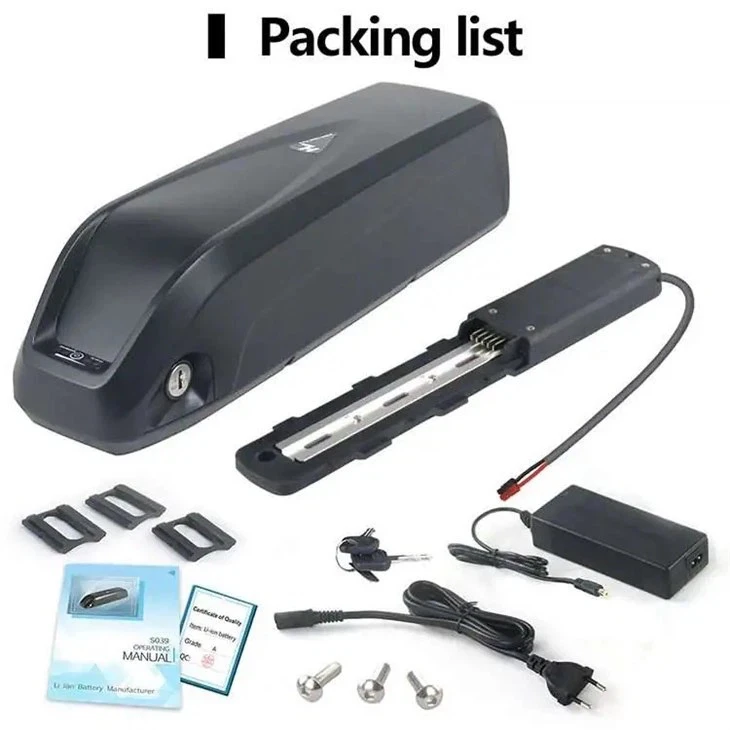
48v Ebike Battery
The 48V e-bike battery is a powerful choice, offering greater power and range than 36V batteries. Commonly found in high-end electric bikes and conversion kits, these batteries deliver better torque and acceleration for climbing steep hills and navigating rough terrain. The higher voltage also enables longer rides, perfect for commutes and recreational outings. Like other e-bike batteries, 48V models use lithium-ion cells for high energy density and long lifespan. They are compatible with 48V e-bike systems and often include advanced safety features for reliable performance.