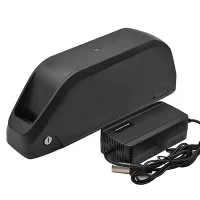
In the context of increasingly congested urban traffic nowadays, electric bicycles have become an ideal means of transportation for many office workers and short-distance travelers. However, when purchasing an electric bicycle, many consumers often encounter a key issue: how to choose the appropriate battery capacity? As the "heart" of an electric bicycle, the capacity of the battery directly determines the vehicle's range, usage experience, and overall cost. This article will comprehensively analyze all the factors influencing the selection of battery capacity, ranging from daily commuting distances to terrain slopes, from budget considerations to comparisons of battery types, to help you make the most informed choice.

Understand Battery Capacity Basics
Battery capacity is measured in ampere-hours (Ah) and, when combined with voltage (V), determines the total energy storage in watt-hours (Wh) using the formula:
Wh = V × Ah.
For example, a 48V 20Ah battery provides 960Wh, while a 72V 20Ah battery offers 1440Wh. Higher Wh means longer range, but actual range depends on factors like rider weight, speed, terrain, and temperature.
Voltage affects power output-higher voltage (e.g., 72V) delivers stronger acceleration and hill-climbing ability but consumes energy faster. Capacity (Ah) determines range-larger Ah means longer rides but increases weight and cost. Common e-bike voltages include 36V, 48V, 60V, and 72V, with 48V being the most popular for balancing power and efficiency.
Battery Types
- Lithium-ion Batteries: High energy density (150-250Wh/kg), lightweight (8-10kg for 48V 20Ah), long lifespan (800-1200 cycles), but more expensive ($500-$1500). Ideal for long-term use and frequent riders.
- Lead-Acid Batteries: Lower energy density (30-50Wh/kg), heavier (15-28kg for 48V 20Ah), shorter lifespan (200-500 cycles), but cheaper ($100-$300). Suitable for budget-conscious, short-range riders.
- Graphene Lead-Acid Batteries: A newer option with slightly better lifespan and charging speed than traditional lead-acid, priced between lead-acid and lithium-ion.
Step 1: Assess Your Riding Needs
Your daily riding habits are the foundation for choosing the right battery capacity. Consider the following:
Daily Commute Distance
- Short Commutes (<10km): A 48V 12Ah battery (30-40km range) is sufficient for city errands or short trips to work.
- Medium Commutes (10-30km): Opt for a 48V 15-20Ah battery for 40-70km range, ideal for daily urban commuting.
- Long Rides or Touring (>50km): Choose a 48V 20Ah or 72V 20Ah battery for 70-100km range, suitable for extended trips or heavy loads.
Terrain and Riding Conditions
- Flat Urban Roads: Lower capacity (e.g., 48V 12-15Ah) is enough for smooth, flat routes.
- Hilly or Mountainous Areas: Higher voltage (60V or 72V) and larger capacity (20Ah+) are necessary to handle steep slopes and increased energy demands. Tests show hill climbing can double energy consumption compared to flat roads.
- Mixed Conditions: Account for wind, temperature, and load (e.g., carrying cargo or a passenger), which can reduce range by 15-30%.
Riding Habits
- Steady Cruising: Smooth, moderate-speed riding conserves battery life.
- Frequent Acceleration or High Speed: Aggressive riding increases power consumption, requiring larger capacity.
Tip: Use the formula Range (km) = Battery Capacity (Wh) ÷ Motor Power (W) × Efficiency (0.7-0.8) to estimate range. For example, a 48V 20Ah battery (960Wh) with a 500W motor and 0.8 efficiency yields ~1.5 hours of riding, or roughly 50-70km at 25km/h.
Step 2: Choose the Right Battery Specifications
Voltage and Power
- 36V or 48V: Ideal for standard city commuting with 250-500W motors. Offers a balance of power, range, and cost.
- 60V or 72V: Best for high-performance e-bikes (800-1000W motors) used in demanding conditions like steep hills or heavy loads. Higher voltage increases weight and cost.
Capacity and Range
|
Battery Specs |
Motor Power |
Theoretical Range (km) |
Actual Range (km) |
Use Case |
|
48V 12Ah (576Wh) |
350W |
40-50 |
30-40 |
City commuting |
|
48V 20Ah (960Wh) |
400W |
50-70 |
40-56 |
Medium commutes |
|
60V 20Ah (1200Wh) |
600W |
70-90 |
50-63 |
Long rides |
|
72V 20Ah (1440Wh) |
1000W |
90-110 |
60-77 |
Heavy-duty use |
Discharge Rate (C-Rating)
High discharge rate batteries (e.g., 3C) support short bursts of high power for acceleration or climbing but may reduce overall capacity over time. Standard e-bikes typically use 1-2C batteries for consistent performance.
Step 3: Balance Cost, Lifespan, and Weight
Cost vs. Lifespan
- Lead-Acid: Affordable ($100-$300 for 48V 12-20Ah) but heavy and short-lived (1-2 years). Best for short-term, budget-focused users.
- Lithium-ion: Higher upfront cost ($500-$1500) but lasts 3-5 years with lower long-term costs per cycle. Ideal for frequent riders.
- Example: A $200 lead-acid battery (48V 20Ah, 300 cycles) costs ~$0.67 per cycle, while a $1000 lithium-ion battery (1000 cycles) costs ~$1 per cycle initially but saves money over time due to longevity.
Weight Considerations
- Lead-Acid: 15-28kg for 48V 20Ah, less suitable for users needing to carry batteries (e.g., apartment dwellers).
- Lithium-ion: 8-10kg for the same capacity, easier to handle and compliant with weight limits (e.g., China's new standard: 55kg max for non-lead-acid e-bikes).
Step 4: Prioritize Safety and Maintenance
Safety Tips
- Choose Reputable Brands: Opt for trusted manufacturers like Samsung, Panasonic, or CATL to minimize risks like overheating or explosions. Avoid unbranded or refurbished batteries.
- Match Chargers: Use a charger with the correct voltage (e.g., 48V charger for a 48V battery) to prevent damage. High-quality chargers with temperature compensation extend battery life.
- Check Compliance: Ensure the battery meets local regulations (e.g., China's new standard for e-bike weight and safety).
Maintenance Tips
- Charge Smartly: Charge when the battery is at 20-30% to avoid deep discharges. Keep lithium-ion batteries between 20-80% for optimal lifespan.
- Storage: Store at 50% charge in a cool, dry place (avoid >45°C or <0°C). Recharge every 2-3 months if unused.
- Regular Checks: Inspect for damage, swelling, or corrosion monthly. Clean contacts every 3-6 months.
Step 5: Recommended Configurations
|
Use Case |
Recommended Battery |
Estimated Range |
Cost Range |
|
City commuting (15km) |
48V 12Ah Lithium |
30-40km |
$500-$800 |
|
Suburban trips (40km) |
48V 20Ah Lithium |
50-70km |
$1000-$1500 |
|
Hilly/Heavy loads (80km) |
72V 25Ah Lithium |
70-100km |
$1800-$2500 |
|
Short backup trips |
48V 10Ah Lead-Acid |
20-30km |
$100-$300 |
Conclusion
Choosing the right e-bike battery capacity involves balancing range, power, weight, and cost based on your riding needs. Start by calculating your daily commute and factoring in terrain and habits. Prioritize lithium-ion for long-term savings and lightweight design, or lead-acid for budget-friendly short trips. Always choose reputable brands, use compatible chargers, and follow maintenance practices to ensure safety and longevity. By following these steps, you'll find the perfect battery to power your e-bike adventures.
Now browse our extensive range of high-quality electric bike batteries and find the perfect one for your ride!