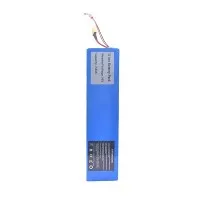
Electric bike batteries, as eco-friendly transportation options, rely heavily on their battery performance to determine the user's riding experience. Many consumers are confused by the gap between the battery specifications advertised by manufacturers and real-world performance. This article focuses on the common 48V 20Ah battery configuration, analyzing its battery life from theoretical calculations to practical applications. We'll also explore factors affecting battery life to help you plan your trips more effectively and extend your battery's lifespan.

Theoretical Battery Life Calculation
To understand the theoretical battery life of a 48V 20Ah battery, we start with basic electrical formulas and combine them with real-world EV operating parameters. A battery's runtime is determined by its energy storage capacity and consumption rate.
Energy Storage Calculation: The total energy of a 48V 20Ah battery (in watt-hours, Wh) = Voltage (V) × Capacity (Ah) = 48 × 20 = 960 Wh, or 0.96 kWh. This value represents the total energy the battery can theoretically provide. However, the actual usable energy is often slightly lower due to the Battery Management System (BMS), which reserves some charge to prevent over-discharge, especially in lithium batteries.
Battery Life Formula: Theoretical battery life (hours) = Battery Capacity (Ah) ÷ Average Current (A). The average current depends on the motor's power, calculated using the formula P = UI, where I (current) = P (power) ÷ U (voltage). Thus, different motor powers yield significantly different battery life results:
- For a 1000W high-power electric motorcycle: Current ≈ 1000W ÷ 48V ≈ 20.8A, Theoretical battery life = 20Ah ÷ 20.8A ≈ 0.96 hours (about 1 hour).
- For a 500W mid-sized electric vehicle: Current ≈ 500W ÷ 48V ≈ 10.4A, Theoretical battery life ≈ 20 ÷ 10.4 ≈ 1.92 hours (about 2 hours).
- For a 350W small electric vehicle: Current ≈ 350W ÷ 48V ≈ 7.3A, Theoretical battery life ≈ 20 ÷ 7.3 ≈ 2.74 hours (about 2.7 hours).
Converting Time to Range: Assuming an average speed of 15.5 mph (25 km/h), a 350W motor's electric vehicle has a theoretical range of approximately 2.74 × 15.5 ≈ 42.5 miles (68.5 km). This aligns with the 31–37-mile (50–60 km) theoretical range reported by multiple sources. Notably, while lead-acid and lithium batteries have similar theoretical battery life at the same capacity, lithium batteries, being about 30% lighter, may offer a 5–10% range advantage in real-world use due to reduced vehicle weight.
Theoretical Battery Life and Range of a 48V 20Ah Battery Under Different Motor Powers
|
Motor Power (W) |
Average Current (A) |
Theoretical Battery Life (Hours) |
Theoretical Range (Miles/Km) |
|
350 |
7.3 |
2.74 |
42.5 / 68.5 |
|
400 |
8.3 |
2.4 |
37.3 / 60 |
|
500 |
10.4 |
1.92 |
29.8 / 48 |
|
800 |
16.7 |
1.2 |
18.6 / 30 |
|
1000 |
20.8 |
0.96 |
14.9 / 24 |
Note: Range calculated at an average speed of 15.5 mph (25 km/h).
Real-World Battery Life
Theoretical calculations provide a baseline, but real-world riding conditions are far more complex. Based on user feedback and test data, a 48V 20Ah battery typically provides 1.5–3 hours of riding time in standard scenarios, corresponding to a range of approximately 24.9–43.5 miles (40–70 km).
Speed and Battery Life: The relationship between speed and battery life is significant. Riding at a moderate speed of around 12.4 mph (20 km/h) can yield 1.5–2.5 hours of battery life. However, at higher speeds, especially with heavier electric scooters or motorcycles with larger motors, the same 48V 20Ah battery may only last 1–2 hours. This is because air resistance increases exponentially with speed, requiring the motor to consume more energy to overcome drag. Tests show that increasing speed from 15.5 mph (25 km/h) to 24.9 mph (40 km/h) can reduce the range by over 30%.
Road Conditions: Riding on flat urban roads at a steady speed is the most energy-efficient scenario. In contrast, frequent stops in congested traffic or hilly terrain significantly increases energy consumption. On routes with many slopes, the motor requires higher power to climb, accelerating battery discharge and potentially reducing battery life by 20–30% compared to flat roads. Frequent rapid acceleration and braking also waste energy, further shortening battery life.
Load Impact: electric bike batteries are typically designed for loads of 165–220 lbs (75–100 kg). When overloaded, tire rolling resistance and motor load increase, raising current draw and reducing battery life. Tests indicate that a 20% increase in load can decrease the range by 10–15%.
Real-world examples show that an electric bicycle with a 48V 20Ah lead-acid battery and a 400W motor, ridden at 15.5 mph (25 km/h) on flat roads with a single rider, achieves a battery life of about 2.2–2.5 hours, corresponding to a range of 34.2–38.5 miles (55–62 km). In contrast, the same battery in an 800W electric scooter lasts only 1.2–1.5 hours.
Battery Type Differences: Although lead-acid and lithium batteries with a 48V 20Ah capacity have the same theoretical energy, lithium batteries often perform better in practice. Lithium batteries are lighter (approximately 15.4 lbs/7 kg vs. 26.5 lbs/12 kg for lead-acid), reducing vehicle weight. They also have higher discharge efficiency, especially under high current demands. User reports indicate that a 48V 20Ah lithium battery can provide an additional 3.1–6.2 miles (5–10 km) of range compared to a lead-acid battery in the same vehicle. However, the BMS in lithium batteries may cut off power at low charge levels to protect the battery, slightly reducing usable time.

Key Factors Affecting Battery Life
Understanding the factors that influence battery life can help users optimize their riding habits and extend the lifespan of their 48V 20Ah battery. These factors are interconnected and collectively determine the battery's real-world performance.
- Motor Power: The motor's power rating is the most direct determinant of energy consumption. As evident from search data, a 350W motor in a small electric vehicle achieves a battery life of about 2.7 hours, while a 1000W motor in a large electric motorcycle lasts only about 1 hour. This linear inverse relationship is clear: doubling the motor power roughly halves the battery life. In China, national standards limit electric bicycle motors to 400W, while electric scooters typically use around 800W, explaining the significant range differences across vehicle types.
- Battery Type and Health: The type and condition of a 48V 20Ah battery significantly impact its performance. Lead-acid and lithium batteries with the same specifications differ in energy density, weight, and discharge characteristics. Lithium batteries (especially lithium iron phosphate, LiFePO4) typically have a longer lifespan, with over 1000 charge-discharge cycles, compared to 300–500 cycles for lead-acid batteries. As batteries age, their capacity degrades, reducing battery life. For example, a new lead-acid battery may provide a range of 37.3 miles (60 km), but after a year (approximately 300 cycles), this could drop to around 28 miles (45 km). A simple way to assess battery aging is to monitor changes in charging time and declines in range.
- Environmental Temperature: Temperature's impact is often underestimated. In cold conditions (below 50°F/10°C), chemical reactions in the battery slow down, and electrolyte viscosity increases, raising internal resistance and reducing capacity. Tests show that when the temperature drops from 77°F (25°C) to 32°F (0°C), lead-acid battery capacity may decrease by 20–30%, shortening battery life. This explains why users in colder regions notice their electric bike batteries "don't go as far" in winter. To mitigate this, store the vehicle in a warmer location during cold seasons and charge indoors before use.
- Riding Habits: Riding style significantly affects battery life. Steady, moderate-speed riding is the most energy-efficient, while frequent rapid acceleration and braking waste significant energy. Data shows that aggressive riding (frequently accelerating to top speed and braking) can reduce battery life by 30–40% compared to smooth riding at a consistent speed. The optimal speed for most electric bike batteries is 12.4–15.5 mph (20–25 km/h), as air resistance increases exponentially beyond this, significantly raising energy consumption.
- Vehicle Maintenance: Often overlooked, maintenance impacts battery life. Low tire pressure increases rolling resistance, overly tight brakes create friction, and poorly lubricated bearings increase mechanical losses. These small issues can collectively reduce the range by 15–20%. Regular checks (e.g., monthly tire pressure maintenance at the manufacturer's recommended value) and annual professional servicing of brakes and bearings are recommended.
Impact of Various Factors on 48V 20Ah Battery Life
|
Factor |
Condition Change |
Battery Life Reduction |
Mitigation Strategy |
|
Motor Power |
350W to 800W |
-55% to -60% |
Choose a vehicle model suited to your needs |
|
Riding Speed |
15.5 mph to 24.9 mph (25 to 40 km/h) |
-30% to -35% |
Maintain economic speed (12.4–15.5 mph) |
|
Load |
Single rider to two riders (~265 lbs/120 kg) |
-20% to -25% |
Avoid overloading |
|
Environmental Temperature |
77°F to 32°F (25°C to 0°C) |
-20% to -30% |
Charge indoors in winter, pre-warm battery |
|
Tire Pressure |
Standard to 80% of recommended |
-10% to -15% |
Check monthly, maintain recommended pressure |
|
Battery Health |
New battery after 1 year |
-15% to -25% |
Avoid deep discharge, charge regularly |
Practical Tips to Extend Battery Life
By understanding the factors affecting battery life, users can adopt targeted strategies to maximize the performance of their 48V 20Ah battery. Optimizing riding habits and maintenance practices not only extends single-charge range but also slows battery degradation, prolonging its lifespan.
- Optimize Riding Style: Riding at a steady economic speed of 12.4–15.5 mph (20–25 km/h) significantly reduces energy consumption. Avoid unnecessary rapid acceleration, as accelerating from a standstill to 15.5 mph (25 km/h) can draw 3–5 times the current of steady riding. Anticipatory driving-observing road conditions to minimize braking and using coasting to decelerate-can increase range by 15–20%. For vehicles with energy recovery systems, leveraging regenerative braking during downhill or deceleration can recover some energy, further extending battery life.
- Proper Charging Practices: Avoiding deep discharge is critical for battery health. For lead-acid batteries, charge when the remaining capacity is above 30%; for lithium batteries, avoid dropping below 20%. Use a charger specifically designed for a 48V 20Ah battery, as mismatched chargers can damage the battery. Overcharging should be avoided-lead-acid batteries may lose water if left on float charge too long, while lithium batteries degrade faster under prolonged high-voltage conditions. In summer, charge in a cool, shaded area to avoid high temperatures.
- Reduce Vehicle Load: Minimizing load is an often-overlooked energy-saving tactic. Beyond avoiding overloading with passengers, regularly clear unnecessary items from baskets or storage compartments. Every 11 lbs (5 kg) of added weight can reduce range by 0.6–1.2 miles (1–2 km). For lead-acid battery users, upgrading to a lithium battery (weighing 15.4–19.8 lbs/7–9 kg vs. 35.3–39.7 lbs/16–18 kg for lead-acid) can reduce vehicle weight, improve range, and make charging easier due to portability.
- Regular Maintenance: Monthly checks of tire pressure (typically 2.2–2.5 bar) prevent increased rolling resistance. Every six months, inspect the brake system to ensure it's neither too loose nor too tight. Annually clean and lubricate drivetrain components (e.g., chains, gears) to minimize mechanical losses. These simple steps ensure the vehicle operates at peak efficiency.
Battery Maintenance Tips:
Lead-Acid Batteries:
- Avoid complete discharge; charge monthly if unused.
- Charge in a well-ventilated area, away from open flames.
- After six months, perform a deep charge-discharge cycle (not deep discharge) to activate capacity.
- Keep connection terminals clean to prevent oxidation.
Lithium Batteries:
- Avoid charging or storing in high temperatures.
- Store at 40–60% charge for long-term storage.
- Use the original charger to avoid damage from fast charging.
- Replace the battery if noticeable swelling or performance decline occurs.
Winter Usage Strategies:
Cold temperatures significantly reduce battery performance. In winter:
- Store the vehicle indoors at warmer temperatures.
- Charge indoors before riding to leverage heat generated during charging.
- Use a fully charged battery immediately, as it performs better when warm.
- Adopt "pulse acceleration": gradually increase speed in 2–3 stages rather than twisting the throttle fully.
For batteries over two years old with significantly reduced range (e.g., less than 50% of original), consider battery reconditioning. Lead-acid batteries, typically consisting of four 12V units in series, may only need one underperforming unit replaced, saving costs. For lithium batteries, replace the entire pack due to BMS compatibility requirements.
Battery Type Comparison and Purchase Recommendations
The most common 48V 20Ah batteries are lead-acid and lithium, each with distinct advantages in price, performance, and lifespan. Understanding these differences helps consumers choose the best option for their needs.
- Lead-Acid Batteries: As a traditional technology, their primary advantage is low cost. A 48V 20Ah lead-acid battery typically costs $80–$120 USD, compared to $200–$330 USD for a lithium battery. They are also safer, with minimal fire risk even if damaged, and have a mature recycling system, retaining residual value ($13–$20 USD). However, lead-acid batteries are heavy (35.3–39.7 lbs/16–18 kg), bulky, recover poorly from deep discharge, and have a shorter lifespan (300–500 cycles). Their range degrades noticeably, often dropping to 70–80% of initial capacity after a year.
- Lithium Batteries: Representing newer technology, lithium batteries offer high energy density. At the same capacity, they weigh only 30–40% of lead-acid batteries (15.4–19.8 lbs/7–9 kg) and are more compact. High-quality LiFePO4 batteries can exceed 2000 cycles, while ternary lithium batteries achieve 800–1000 cycles. They provide better discharge efficiency, especially at high currents, improving acceleration. However, lithium batteries are expensive, perform poorly at low temperatures (below 14°F/-10°C), require a BMS, and have limited recycling options.
- Performance Comparison: Tests show that under identical conditions, a 48V 20Ah lithium battery typically delivers 5–10% more range than a lead-acid battery, due to lower weight and higher efficiency. However, in some cases, lithium batteries may seem less "durable" because their BMS cuts power at low voltage to prevent damage, while lead-acid batteries continue discharging (at the cost of lifespan). This creates a false perception of better endurance for lead-acid batteries.
Comparison of 48V 20Ah Lead-Acid vs. Lithium Batteries
|
Feature |
Lead-Acid Battery |
Lithium Battery |
|
Price Range |
$80–$120 USD |
$200–$330 USD |
|
Weight |
35.3–39.7 lbs (16–18 kg) |
15.4–19.8 lbs (7–9 kg) |
|
Size |
Larger |
Smaller |
|
Cycle Life |
300–500 cycles |
800–2000 cycles |
|
Low-Temperature Performance |
-4°F to 140°F (-20°C to 60°C) |
14°F to 113°F (-10°C to 45°C) |
|
Safety |
High, non-flammable |
Requires short-circuit/overcharge protection |
|
Recycling Value |
High, mature system |
Low, limited channels |
|
Maintenance Needs |
Requires periodic watering |
Near maintenance-free |
|
Optimal Charging |
Saturated + float charge |
Stop when full, avoid overcharge |
Purchase Recommendations:
1. Lead-Acid Batteries suit:
- Budget-conscious users.
- Short-range trips with easy charging access.
- Vehicles with large battery compartments, less sensitive to weight.
- Extreme temperature environments (especially cold regions).
- High safety requirements.
2. Lithium Batteries suit:
- Users needing longer range and lighter weight.
- Frequent battery removal for charging.
- Vehicles with limited battery compartment space.
- Users seeking longer lifespan and fewer replacements.
- Those prioritizing better acceleration.
FAQ
1. What motor power can a 48V 20Ah battery support?
A 48V 20Ah battery supports motors from 350W to 1000W, but battery life varies significantly. A 350W motor can achieve about 2.7 hours of battery life (approximately 42.5 miles/68.5 km), while a 1000W motor may last only 1 hour (about 14.9 miles/24 km). For optimal range, urban commuters should choose motors below 400W to extend battery life.
2. How do I know if my 48V 20Ah battery needs replacement?
If the battery range drops significantly (e.g., below 50% of its original capacity, such as from 37.3 miles/60 km to 18.6 miles/30 km) or charging time shortens noticeably (e.g., from 8 hours to 4 hours), the battery may be aging. Lead-acid batteries typically lose 20–30% capacity after 1–2 years (300–500 cycles), while lithium batteries may degrade after 800–1000 cycles. If a lithium battery shows swelling or overheating, replace it immediately for safety.
3. How can I address reduced battery life in winter?
Cold temperatures (below 50°F/10°C) can reduce battery capacity by 20–30%. To mitigate this:
Charge indoors in a warm environment to pre-warm the battery.
Use a fully charged battery immediately for optimal performance.
Employ "pulse acceleration" by gradually increasing speed in 2–3 stages instead of full-throttle starts.
These steps help maintain battery range in cold weather.
4. Which is better for a 48V 20Ah battery: lead-acid or lithium?
Lead-acid batteries are cheaper ($80–$120 USD), ideal for budget-conscious users, short trips, or cold climates, but they are heavy (35.3–39.7 lbs/16–18 kg) and have a shorter lifespan (300–500 cycles). Lithium batteries are lighter (15.4–19.8 lbs/7–9 kg), offer 5–10% more range, and last longer (800–2000 cycles), but cost more ($200–$330 USD). Choose based on budget, range needs, and riding conditions.
5. How can I extend the range of my 48V 20Ah battery?
Maintain an economic speed of 12.4–15.5 mph (20–25 km/h) to reduce energy consumption.
Check tire pressure monthly (recommended 2.2–2.5 bar) to minimize rolling resistance.
Avoid deep discharge: keep lead-acid batteries above 30% charge and lithium batteries above 20%.
Use a compatible charger and avoid overcharging or charging in high temperatures.
These habits can extend battery range by 15–20% and slow capacity degradation.
6. How much does it cost to charge a 48V 20Ah battery?
At an average electricity rate of $0.08/kWh (based on US averages), charging a 48V 20Ah battery (0.96 kWh) costs about $0.08 per full charge. For a lead-acid battery with a 500-cycle lifespan and 37.3 miles/60 km per charge, the cost per mile is approximately $0.0013. Lithium batteries, with over 1000 cycles, offer lower long-term costs.
Conclusion
The 48V 20Ah battery is a popular choice for electric bicycles and scooters, with its battery life and range determined by factors like motor power, battery type, riding habits, environmental conditions, and vehicle maintenance. Theoretically, it provides 1.5–3 hours of riding time, equating to a range of 24.9–43.5 miles (40–70 km), though real-world performance varies from 2.7 hours for a 350W motor to about 1 hour for a 1000W motor. Lithium batteries, being lighter and more efficient, typically offer 5–10% more range than lead-acid batteries, though they come at a higher cost.
To maximize your 48V 20Ah battery's performance, consider the following:
- Select a motor power suited to your needs, prioritizing 400W or below for urban commuting.
- Ride at an economic speed (12.4–15.5 mph/20–25 km/h) and avoid rapid acceleration or frequent braking.
- Regularly check tire pressure and brake systems to minimize energy loss.
- Choose between lead-acid batteries (cost-effective, ideal for short trips) or lithium batteries (longer lifespan, better for extended range) based on your budget and needs.
- In winter, use pre-warming and indoor charging to counteract reduced battery life.
By optimizing riding and maintenance habits, you can extend your battery range, slow battery degradation, and reduce long-term costs. Whether for daily commuting or leisure rides, these strategies will help your 48V 20Ah battery perform at its best. If you're considering purchasing or upgrading a battery, use the insights in this article to select the right type and maintain it effectively for a longer battery life and cost-efficient riding experience.