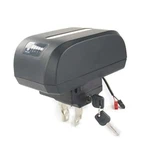
When it comes to wiring a 24V battery for an electric scooter, many beginners may find the task complex and daunting. However, in reality, once you understand the basic principles and follow the right methods, the process isn't as difficult as it might seem. A 24V battery system, as the name suggests, provides 24 volts of power, which is the standard configuration for many lightweight electric scooters and small electric vehicles. These batteries are commonly either lithium or lead-acid types, both capable of providing enough power for electric scooters, making them ideal for daily commuting or weekend rides.
You might wonder, why choose a 24V battery over a higher-voltage option? Simply put, the 24V battery strikes a balance between providing sufficient power while keeping the weight low, which is perfect for lightweight electric scooters. The following sections will go into detail on how to choose the right battery, the wiring steps, and important considerations to ensure you can successfully complete the battery wiring process.

Materials Needed
Before you start wiring, it's important to ensure that you have all the necessary tools and materials. Below is a list of the basic components you'll need to wire a 24V battery for your electric scooter:
- 24V Battery: The most crucial component. Typically, you will find two types of batteries: lithium and lead-acid. Lithium batteries are becoming increasingly popular due to their higher energy density and longer lifespan, making them the preferred choice for electric scooters.
- Battery Management System (BMS): The BMS is the "brain" of the battery system. It monitors the battery's health, preventing overcharging, over-discharging, and overheating, protecting the battery from damage.
- Battery Connection Wires: Choosing the right cables is important. The cables need to handle the maximum current load of the battery. Typically, thicker wires are recommended to avoid overheating due to overcurrent.
- Connectors: These are used to connect the battery to other parts of the electric scooter, such as the controller and motor. Common connectors include XT60, Anderson Powerpole, and others.
- Electrical Tape and Insulation Tape: These are used to ensure all connection points are properly insulated, preventing short circuits or electric shocks.
- Fuses and Current Protection Components: Fuses provide protection against overcurrent, ensuring the safety of the entire system.
Once you have all these materials ready, you can start the process. The next step will be understanding how to connect these components properly.
Choosing the Right Battery Specifications
Choosing the right battery is key to ensuring the performance and safety of your electric scooter. When selecting a 24V battery, there are several important factors to consider: battery type, capacity, discharge rate, and the corresponding Battery Management System (BMS).
1. Battery Type: The most common battery types are lithium and lead-acid. Lithium batteries have the advantage in terms of weight, capacity density, and lifespan, making them more suitable for modern electric scooters. Lead-acid batteries, on the other hand, are more affordable but tend to be heavier and have a shorter lifespan.
2. Battery Capacity (Ah): The capacity of the battery determines how much power it can provide, and the larger the capacity, the longer the scooter's range. Typically, batteries with capacities between 5Ah and 10Ah are sufficient for most electric scooters, providing a range of 20 to 50 kilometers. You can choose the right battery capacity based on your specific needs. If you often ride for long distances, a higher capacity battery is recommended.
3. Discharge Rate (C rating): The discharge rate of the battery refers to how much current it can handle for a sustained period, typically expressed as "C." For example, a battery with a 10C rating can output 10 times its capacity in current. A high discharge rate is important for ensuring stable power delivery, especially during acceleration and uphill riding, without causing voltage drops or overheating.
4. Battery Management System (BMS): The role of the BMS is not just to prevent overcharging and over-discharging, but also to monitor each individual cell's status, preventing imbalance within the battery pack. For a 24V system, the configuration typically involves 10S (10 series) or 12S (12 series) packs, which determine the voltage range and the corresponding BMS requirements. Make sure to choose a BMS that is compatible with the battery's specifications.
By understanding these battery specifications, you can select the 24V battery that best suits your electric scooter's needs.

Battery Wiring Principles
Understanding the principles behind battery wiring is crucial to ensure that the battery system in your electric scooter runs smoothly and safely. The wiring of a 24V battery system primarily involves connecting the battery to the scooter's controller, motor, and charger. Let's break down how each connection works and the steps involved.
- Positive and Negative Connections: First, you need to make sure you connect the battery's positive and negative terminals correctly. The positive terminal is usually marked with a "+" or red color, while the negative terminal is marked with a "-" or black color. When connecting the battery, ensure that the positive terminal is connected to the positive input on the scooter, and the negative terminal to the negative input. If you reverse the polarity, the scooter may fail to start, or worse, the battery or controller could be damaged.
- Battery and Controller Connection: The battery connects to the scooter's controller, which regulates the battery's voltage and controls the motor's power output. When connecting, make sure the connection between the battery and controller is secure and well-insulated to avoid poor contact or short circuits. Many scooter controllers have specific battery input ports, so just follow the wiring instructions in the user manual to connect them properly.
- Battery and Motor Connection: The battery also needs to be connected to the scooter's motor. The battery provides the power, while the motor drives the wheels. This connection is usually managed through the controller, as the controller adjusts the power supplied from the battery to control the motor's speed and torque.
- Battery Management System (BMS) Wiring: The BMS is the core of the battery management system, responsible for monitoring the battery's health and ensuring the battery doesn't overcharge or over-discharge. BMS wiring usually involves multiple input and output terminals that monitor the voltage of each individual battery cell. When wiring, make sure that each monitoring wire is correctly connected to the BMS for accurate management.

Battery Installation Steps
Installing the battery is a critical part of the wiring process, as proper installation ensures both stability and longevity of the battery system. Below are the general steps for installing the 24V battery:
Choose the Right Battery Location: First, you need to find a suitable location for installing the battery. The battery should be mounted securely in a position where it will not shift or vibrate during riding. Most electric scooters have designated spaces for battery installation, typically located under the deck or footboard.
Secure the Battery: Once you've found the appropriate spot, securely fasten the battery to the scooter frame. You can use battery brackets, screws, or tape to keep the battery in place. Make sure the battery is firmly fixed to avoid any movement that could cause damage or instability.
Connect the Battery to the Controller and Motor: As mentioned earlier, connect the battery's positive and negative terminals to the corresponding inputs on the controller and motor. If the BMS is already installed, make sure its wiring is also correctly connected to the battery, controller, and motor.
Connect the Charger Port: Electric scooters typically have a charging port that connects to the charger for recharging the battery. When installing the battery, ensure the charging port is connected properly for easy recharging later on.
Check the Connections: After the installation, carefully inspect all the connections to make sure they are secure and that no wires are exposed. Ensure that all connections are well-insulated to prevent short circuits or other electrical issues.
Safety Measures
Safety should always be the top priority when working with batteries. Taking the necessary safety precautions during installation and wiring ensures that your battery system remains secure and efficient. Here are some essential safety measures:
Prevent Short Circuits: Always ensure that the battery's positive and negative terminals do not come into contact with any metal objects during wiring. Use insulating tape, heat shrink tubing, and other protective materials to cover exposed wires and connection points, preventing short circuits.
Use Fuses and Current Protection: It's crucial to install fuses and current protection devices in your battery system. Fuses help protect against overcurrent by disconnecting the circuit if the current exceeds safe limits. Choose a fuse with the appropriate current rating based on the battery's capacity and the controller's requirements.
Avoid Overcharging and Overdischarging: Overcharging and overdischarging are two major causes of battery damage, especially with lithium batteries. Ensure that the Battery Management System (BMS) is properly installed and functioning, as it will monitor the battery's voltage and prevent overcharging or overdischarging, helping to extend the battery's lifespan.
Regular Battery Monitoring: After installation, regularly check the battery's voltage, temperature, and physical condition. Pay attention to any signs of swelling, leakage, or damage, especially after prolonged use. If you notice any abnormalities, address them immediately by replacing or repairing the battery.
Keep the Battery Away from Water and High Temperatures: Avoid exposing the battery to water, particularly in rainy or damp environments. Ensure the battery is well-protected from water ingress. Additionally, avoid exposing the battery to high temperatures, as this can lead to overheating, fires, or explosions.
By following these safety precautions, you can ensure that your electric scooter's battery system operates efficiently and safely for a long time.
Debugging and Testing
Once the battery installation and wiring are complete, the next step is to conduct debugging and testing to ensure the system is functioning properly and all connections are correct. Below are the steps for debugging and testing:
Check the Battery Voltage: Use a digital multimeter (DMM) to measure the voltage of the battery and ensure it is within the proper range. For a 24V battery system, the voltage should be close to 24 volts when fully charged. If the voltage is significantly lower than 24V, the battery may not be fully charged, or there may be an issue with the wiring.
Check the Controller and Motor Connections: Power on the electric scooter and check if the voltage between the battery and the controller is stable. Ensure that the motor runs smoothly. If the motor doesn't start or makes unusual sounds, there may be insufficient power from the battery, poor wiring connections, or controller settings issues.
Functional Testing: Test the scooter's various functions, such as acceleration, braking, and steering. Check if the battery can consistently power the scooter and if all components (motor, controller, etc.) work well together. If the scooter has power drops during acceleration or seems underpowered, check the battery's capacity, controller settings, or wiring connections.
Check the Charging Port: Ensure the charger connects correctly to the battery and begins charging. Check the charger's indicator light to confirm there are no issues with the charging process. If the charger fails to work, it may be a problem with the battery port or the charger itself.
Temperature Check: After prolonged use, check the temperature of the battery, controller, and motor. If any component is overheating, it could indicate an overcurrent, wiring issue, or inadequate heat dissipation. Make sure all parts are operating within their normal temperature ranges.

Common Issues and Solutions
During use, there may be some common issues with the electric scooter's battery system. Here are some of these issues and their solutions:
Electric Scooter Won't Start:
Cause: This could be due to insufficient battery charge, wiring issues, or controller malfunction.
Solution: First, check the battery's charge to ensure it's full. If the battery is fine, check if the connections between the battery and controller are secure. Lastly, verify if the controller is functioning properly.
Battery Not Charging:
Cause: Possible causes include charger malfunction, poor connection at the charging port, or issues with the Battery Management System (BMS).
Solution: Check if the charger and charging port are working correctly. If the charger's indicator light doesn't turn on, try a different charger. If the charger is functioning, check the BMS to ensure it's not preventing the battery from charging.
Battery Overheating:
Cause: This may happen due to over-discharge, battery aging, or issues during charging.
Solution: Check if the battery is over-discharged and avoid using it when the charge is too low. Regularly inspect the battery's health and make sure it doesn't overheat during charging. If the battery is aging, consider replacing it.
Electric Scooter Lacks Power During Acceleration:
Cause: Insufficient battery charge, battery aging, or controller settings may be the issue.
Solution: Check the battery's charge to ensure it's full. If the battery is fine, check the controller settings to ensure there is no power limitation or malfunction.
Battery Display Issues:
Cause: There may be a problem with the Battery Management System (BMS), causing inaccurate battery status readings.
Solution: Check the BMS wiring to ensure it's properly connected and monitoring each cell correctly. If issues persist, recalibrate the BMS or replace it.
Maintenance and Care
Regular maintenance and care are essential for prolonging the battery's lifespan and ensuring the electric scooter operates at its best. Here are some important maintenance and care tips:
Regularly Check Battery Voltage and Health: Use a digital multimeter to check the battery voltage regularly and ensure it's in good condition. Avoid letting the battery completely drain before recharging it, as lithium batteries perform best when charged between 20%-80%. Prevent deep discharges to extend the battery's lifespan.
Clean the Battery Connection Ports: Periodically clean the battery's connection ports to ensure there is no dust or corrosion buildup. Dust or corrosion can lead to poor contact, affecting the charging and discharging performance of the battery.
Keep the Battery Dry: Avoid exposing the battery to water or moisture, especially during use in wet conditions. Make sure the battery compartment is waterproof and prevents water from entering.
Regularly Check the Battery Management System (BMS): The BMS is the core of the battery system. Regularly check its status to ensure it's functioning properly and monitoring the battery's health. If the BMS is malfunctioning, repair or replace it promptly.
Proper Storage of the Battery: If you plan to store the scooter for an extended period, keep the battery in a dry, cool place. The storage temperature should ideally be between 5°C and 20°C, avoiding high or low-temperature environments that could degrade battery performance.
Avoid Extended High-Temperature Use: Using the scooter in high-temperature environments can accelerate battery aging. Try to avoid riding the scooter for extended periods in hot weather, especially during summer, to prevent overheating and damage to the battery.
By following these regular maintenance and care practices, you can extend the life of your battery and ensure your electric scooter remains in top condition, preventing unnecessary breakdowns and performance degradation.
Conclusion
Wiring and maintaining a 24V battery system for your electric scooter might seem like a daunting task, but with the right knowledge and careful attention to detail, it can be a straightforward process. From understanding the wiring principles to ensuring proper installation and rigorous testing, each step plays a critical role in ensuring your scooter runs smoothly and efficiently. Remember that proper battery maintenance is just as important as installation; regular checks, proper storage, and timely troubleshooting can extend the lifespan of your battery and keep your electric scooter in top shape.
Whether you're a seasoned enthusiast or new to the world of electric scooters, following these guidelines will help you achieve a reliable, long-lasting battery setup.
Find high quality battery suppliers

At GEB, we have been at the forefront of the lithium battery industry since 2009, and we are proud to be recognized as leaders in providing high-performance batteries for electric scooter battery, e-bike battery, motorcycle battery, and more.
With a team of over 20 battery specialists, we continuously push the boundaries of technology and innovation to deliver batteries that not only meet but exceed industry standards. Our products are rigorously tested, with certifications like ISO, CE, UL, and more, ensuring that every battery we manufacture is of the highest quality.
Contact us today to learn more about our high-quality batteries and discover how GEB can power your electric scooter for years to come! (sales@gebattery.co)