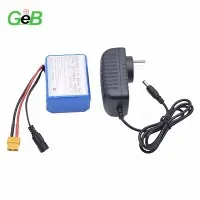
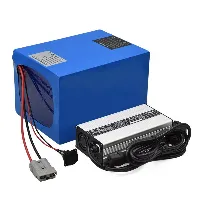
As the e-bike market continues to grow rapidly, more and more riders are considering how to enhance their cycling experience by either replacing batteries or upgrading the entire electric system. One common but controversial question that arises is, "Can I put a 48V battery on a 36V e-bike?" For some bike owners looking to boost performance, this seems like an attractive option. After all, a 48V battery theoretically provides higher voltage, which could lead to more power, faster acceleration, and better range. But is this actually a viable solution? Could it potentially damage your e-bike? In this article, we will dive into these questions and explore all the potential risks and considerations to help you make an informed decision.

The Importance of Electric Bike Battery Voltage
Before we address whether you can use a 48V battery on a 36V system, it's important to understand the significance of battery voltage. Simply put, the voltage of the battery determines the power output of the e-bike's motor. The higher the voltage, the more power the battery can deliver to the motor, which means the bike can achieve higher speeds, stronger acceleration, and better overall performance.
Think of voltage as the "push" that moves electrons through wires to make the motor spin the wheels. The higher the voltage, the greater the "push," resulting in a more powerful motor. For example, a 48V battery delivers more power to the motor, enabling faster acceleration and higher top speeds, which is ideal for more demanding riding conditions. On the other hand, a 36V battery is typically sufficient for city commuting and leisurely rides on flat terrain, offering a more manageable and smoother ride.
However, the battery voltage doesn't only impact power; it also directly affects the e-bike's range. A 48V battery, due to its ability to deliver more power, often provides greater range, especially in terrains that require more energy, such as uphill or long-distance riding. So, choosing the correct voltage is crucial, depending on your riding needs and the kind of performance you expect from your bike.

The Risks of Using a 48V Battery on a 36V System
While switching to a 48V battery might seem like a way to gain more power and better range, using one on a 36V system comes with significant risks. It's essential to understand that the components of your e-bike, such as the motor, controller, and battery, are all designed to work within specific voltage ranges. Using a higher voltage battery than the system is designed for can cause compatibility issues and potentially damage your e-bike.
Voltage Incompatibility
The motor and controller of a 36V e-bike are specifically designed to handle 36V batteries. When you try to use a 48V battery in a 36V system, the voltage exceeds the controller and motor's designed tolerance. A typical 36V controller can handle voltages ranging from about 40V to 50V, but a fully charged 48V battery can reach up to 54.6V, which is already beyond the safe limit for the 36V system. Using the battery in this way can lead to overheating of the controller, failure of electronic components, or even complete system burnout.
Battery Management System (BMS) Mismatch
The Battery Management System (BMS) is the "brain" of the battery, responsible for monitoring the battery's charging, discharging, and temperature parameters to ensure safe operation. However, a 36V system is typically equipped with a BMS that is designed to work with a 36V battery. When you use a 48V battery, the BMS may not be capable of handling the higher voltage, which could lead to overcharging, over-discharging, or temperature issues, significantly reducing the battery's lifespan and potentially causing safety risks such as fires.
Motor Overload Risks
Finally, the motor itself also has a specified voltage range it can safely operate within. When you use a 48V battery with a 36V motor, you are asking the motor to handle more power than it was designed for. This extra load can cause the motor to overheat and fail, especially if it is operated continuously under these conditions. Even if the motor seems to handle the increased voltage in the short term, running it at such a high power level will reduce its efficiency and shorten its lifespan over time.

48V Battery's Impact on 36V E-bike Performance
While the idea of swapping out a 36V battery for a 48V one may sound appealing for boosting your e-bike's performance, it's essential to understand that this approach may have more drawbacks than benefits.
Increased Speed vs. Controller Limitations
One of the most noticeable differences between a 36V and a 48V battery is the potential for increased speed. A 48V battery typically allows the bike to reach higher speeds, thanks to its increased power output. However, this advantage is quickly nullified if the 36V system (including the controller) can't handle the increased voltage. The controller is designed to regulate power to the motor within certain parameters, and when you throw a higher voltage battery into the mix, it could lead to system overload. In some cases, the system might fail to regulate power properly, causing inconsistent performance, or worse, permanent damage to the electronics.
Battery Discharge Issues
Even if the controller does manage to work with the 48V battery for a while, you'll run into the problem of battery discharge. The 48V battery, when discharged to its lower voltage limit (typically 42V), may still seem like it has power, but this drop below the recommended threshold (usually around 36V for 36V systems) can be hard on both the battery and the system. The higher voltage of the 48V battery can push the system to work harder than it should when the battery reaches its lower limits, which may result in decreased efficiency and shorter battery life.
Battery Life and Safety Concerns
Another important issue is battery life. The voltage mismatch between the 48V battery and the 36V system can put undue stress on the battery's internal cells. Over time, this stress could lead to unbalanced cells, reducing the overall lifespan of the battery and potentially leading to dangerous conditions, such as swelling or leakage. As we discussed earlier, using a 48V battery on a 36V system may also trigger safety risks due to the incompatibility with the battery management system (BMS). Overcharging or over-discharging the battery can lead to premature failure and even pose a fire risk.

Should You Choose a 48V Battery or Upgrade to a 48V System?
If you're looking for more power, range, or speed, it's crucial to make the right choice between sticking with a 36V system or upgrading to a full 48V system. Here's what you should consider:
Option 1: Use a 48V Battery with a 48V System
The safest and most effective way to take advantage of the benefits of a 48V battery is to upgrade your entire system. Upgrading to a 48V motor and controller will ensure that all components are compatible with the higher voltage. With a 48V system, you'll not only get the boost in performance you're looking for but also improve battery efficiency and motor longevity. A properly configured 48V system will handle higher speeds, increased torque, and better climbing capabilities while maintaining the safety and stability of your e-bike.
Option 2: Stick with a 36V Battery and System
If you're primarily riding on flat terrain or using your bike for short commutes, sticking with a 36V system may be a better option. The 36V system is often more efficient for lighter, everyday use, and 36V batteries are generally lighter and more affordable. Additionally, since 36V systems are widely available, it's easy to find replacement parts, batteries, and components, making maintenance and repairs simpler and more cost-effective.
Option 3: Upgrading Components
If you like the idea of more power but don't want to go all-in on a 48V system just yet, you can consider upgrading individual components. For instance, upgrading your controller to one that supports 48V batteries (if it's compatible with your motor) is one way to boost performance. However, remember that this is a more complex process and may still not fully unlock the potential of a 48V system unless the motor is also upgraded. It's always best to consult with an e-bike technician before attempting to make such upgrades.

Choose the Right Battery for Your E-bike
When it comes to choosing between a 36V and 48V battery, there is no one-size-fits-all solution. Your choice will depend on your specific needs, riding style, and budget. If you're looking for more speed, power, and range, upgrading to a full 48V system is the best way to go. Not only will it ensure that all your components are compatible and work efficiently together, but it will also give you the performance boost you're after while keeping your e-bike safe.
At GEB, we specialize in providing high-quality lithium batteries that are specifically designed to meet the needs of your electric bicycle. Whether you're looking for a 36V or 48V battery, we offer top-tier solutions that ensure both performance and safety. With over a decade of experience and a reputation as a leading manufacturer in the industry, we pride ourselves on delivering high-quality, reliable products.
If you're unsure whether to stick with your current system or upgrade, or if you need a new battery to enhance your ride, contact us today. Our expert team will be happy to help you choose the best battery solution for your e-bike, ensuring you get the most out of your riding experience!