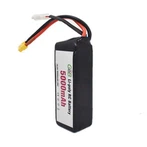
As e-bikes continue to revolutionize urban mobility and outdoor recreation across Europe and North America, understanding battery performance remains critical for both consumers and industry stakeholders. While manufacturers often highlight range and power specifications, the realities of energy efficiency and loss patterns are rarely discussed in depth. This article unveils the technical and environmental factors shaping e-bike battery performance, offering evidence-based insights to help riders optimize their experience.

How Efficient Are E-Bike Batteries Really? Common Myths Debunked
A typical lithium-ion e-bike battery holds its charge well and delivers strong performance. Efficiency here means how much of the stored energy actually reaches the motor-usually around 90% under ideal conditions.
One big myth is that advertised range (like "up to 60 miles") is what you'll always get. In reality, most riders see 20-50 miles on a 500Wh battery, depending on factors like terrain and assist level. This gap comes from real-world variables, not false advertising.
Another misconception: bigger capacity always means proportionally longer range. While a larger battery helps, inefficiencies can eat into gains if you're pushing high power often.
What Really Causes Energy Loss in E-Bike Batteries?
- Energy loss happens both inside the battery and during use. Here's a breakdown of the main culprits:
- Internal resistance and heat: As current flows, some energy turns into heat-typically 5-15% loss. This is normal and more noticeable during hard acceleration.
- High power demands: When you crank up the assist for hills or quick starts, the battery works harder, leading to slightly more loss (related to something called the Peukert effect, though it's minor in modern lithium batteries).
- Temperature extremes: Cold weather can cut temporary range by 20-40%, as the battery's chemical reactions slow down. Heat speeds up long-term wear.
- Aging and capacity fade: Over time, batteries lose 3-5% capacity per year with regular use. After 500-1,000 charges, you might see 20-30% less range.
- Small standby drains: Controllers and displays sip tiny amounts of power even when off.
These losses are unavoidable but manageable.
External Factors That Affect E-Bike Range (Often Overlooked)
Beyond the battery itself, how and where you ride plays a huge role in e-bike battery consumption:
Riding style and assist level: Higher assist modes drain the battery fastest. Eco mode can double your range compared to turbo.
Terrain and load: Hills, headwinds, and extra weight (rider + cargo) force the motor to work harder, cutting range significantly.
Tire pressure and bike maintenance: Under-inflated tires increase rolling resistance, wasting energy. Mid-drive motors tend to be more efficient on varied terrain than hub motors.
Here's a quick comparison of common factors impacting range:
|
Factor |
Typical Range Impact |
Example |
|
Cold weather (below 32°F) |
20-40% reduction |
Winter ride loses 15-25 miles |
|
Heavy load (extra 50 lbs) |
10-30% reduction |
Carrying groceries |
|
High assist/throttle use |
Up to 50% less than eco mode |
Aggressive hill climbing |
|
Proper tire pressure |
+10-20% better efficiency |
Well-maintained vs. low pressure |
How to Improve E-Bike Battery Efficiency and Reduce Energy Loss
The good news is you can minimize losses and extend range with simple habits:
- Charging smart: Charge to 80-90% for daily use and avoid letting it drop below 20%. Store at 40-60% charge in a cool place if not riding for weeks.
- Temperature care: Keep the battery indoors in extreme weather. In cold, let it warm up before riding.
- Riding tips: Use lower assist on flats, pedal steadily (70-90 rpm is efficient), and maintain proper tire pressure. Accelerate gently.
- Maintenance: Clean contacts, update firmware if available, and check for wear.
These steps can add 20-30% more range and help your battery last 5+ years.
Final Thoughts
E-bike battery energy loss and efficiency limits are normal-rooted in physics, not poor design. By understanding the causes and adopting better habits, you'll enjoy longer rides and a healthier battery. Real-world range might not match the brochure, but with the right approach, it's often better than you think.
If you're shopping for a reliable Ebike battery, check out our selection of high-efficiency options designed for everyday riding.