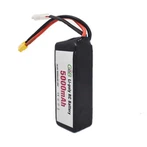
The battery of an electric bicycle is the core of the electric bicycle, providing power for every ride of yours and largely determining the performance of your electric bicycle. Among the numerous technical terms related to batteries, voltage is a key factor influencing speed, power and efficiency. In this article, we will comprehensively explain the relevant knowledge of battery voltage for electric bicycles, explore its impact on the performance of electric bicycles, and guide you to choose the appropriate battery voltage based on your riding needs.

1. What Is Battery Voltage?
Voltage (measured in volts, V) represents the "pressure" that drives electrical energy from the battery to the e-bike's motor. Think of it like water flowing through a pipe: the higher the voltage, the stronger the force pushing the current. This makes voltage a foundational parameter in determining an electric bike's power output.
The relationship between voltage, current, and power is captured in a simple formula:
Power (Watts) = Voltage (V) × Current (A)
This means that voltage, alongside amp hours (Ah), directly influences how much power your e-bike's motor can deliver. A higher voltage range typically translates to greater potential for speed and torque, making it a key consideration when selecting an electric bike battery.

2. How Voltage Affects E-Bike Performance
Voltage plays a pivotal role in shaping two critical aspects of your e-bike: range (how far you can ride) and power (how fast or strong your bike feels). Let's break this down.
2.1 Battery Voltage and E-Bike Range
While voltage alone doesn't directly extend your e-bike's extended range, it works in tandem with battery capacity (measured in amp hours, Ah) to determine the total energy stored in the battery, expressed as watt hours (Wh). The formula is:
Watt Hours (Wh) = Voltage (V) × Amp Hours (Ah)
For example:
- A 48V battery with 10Ah provides 480Wh.
- The same 48V battery with 15Ah delivers 720Wh.
A higher battery capacity (Ah) increases watt hours, extending range, but if you increase voltage without boosting capacity, the motor's higher power output consumes energy faster. This can lead to reduced range, especially in high-performance scenarios like hill climbing or aggressive riding styles. Other factors, such as terrain, rider weight, temperature, and pedal-assist levels, also influence range, making it essential to balance voltage with capacity for optimal extended range.
2.2 Battery Voltage and E-Bike Power
Voltage is the driving force behind an e-bike's hill climbing capability and acceleration. A higher voltage battery delivers more power to the motor, enabling faster speeds, quicker acceleration, and better performance under load (e.g., carrying heavy cargo or tackling steep inclines). For instance:
- A 36V system offers moderate power, ideal for flat urban commutes.
- A 48V battery provides a noticeable boost, excelling in mixed terrains or moderate hills.
- A 52V system maximizes power output, perfect for demanding scenarios like mountain biking or heavy-duty transport.
Higher voltage allows the motor to spin at higher RPMs, enhancing responsiveness and top speed. However, compatibility is critical: the controller and motor must be designed to handle the battery's voltage range. Using a higher voltage battery with incompatible components risks damaging your e-bike's system.
3. Common E-Bike Battery Voltage Specifications
E-bike batteries typically come in a few standard voltage ratings, each suited to specific riding scenarios. Below is a breakdown of the most common options, including their fully charged voltage ranges and key characteristics:
|
Voltage |
Fully Charged Voltage Range |
Best For |
Features |
|
36V |
36V – 42V |
Urban commuting |
Cost-effective, moderate power, energy-efficient |
|
48V |
48V – 54.6V |
Commuting + light off-road |
Balanced performance, mainstream choice |
|
52V |
52V – 58.8V |
Mountain biking, high-speed |
High performance, higher energy consumption |
Some e-bikes use dual-battery systems (e.g., two 48V batteries in parallel), which increase battery capacity (Ah) without raising voltage. This setup is ideal for riders seeking extended range without sacrificing compatibility.

4. How to Choose the Right Battery Voltage
Selecting the right battery voltage depends on your riding needs, terrain, and performance goals. Here's a guide to help you decide:
- Daily Commuting on Flat Roads: A 36V battery is lightweight, energy-efficient, and sufficient for short to medium distances in urban settings. It's budget-friendly and ideal for casual riders.
- Mixed Terrains or Commuting + Leisure: A 48V battery strikes a balance between power and efficiency, making it versatile for moderate hills, longer commutes, or occasional off-road adventures.
- Steep Hills, High Speeds, or Heavy Loads: A 52V battery delivers superior hill climbing capability and speed, perfect for mountain biking, cargo transport, or performance-focused riders. Note that it consumes more energy, so ensure adequate battery capacity.
When choosing, consider these factors:
- Riding Distance: Longer rides require higher watt hours (V × Ah).
- Weight (Rider + Cargo): Heavier loads benefit from higher voltage for better torque.
- Budget: Higher voltage systems are often pricier.
- Component Compatibility: Ensure your motor and controller support the chosen battery voltage.
Tip: Upgrading to a higher voltage battery (e.g., from 36V to 48V) requires a compatible controller and motor. Always consult a professional to avoid damaging your e-bike.
5. How to Measure E-Bike Battery Voltage with a Multimeter
Regularly checking your electric bike battery's voltage is a simple way to monitor its health and ensure optimal performance. Using a multimeter, you can measure the voltage to confirm if your battery is within its normal voltage range. Here's how to do it:
Steps to Measure Battery Voltage:
- Set the Multimeter: Turn your multimeter to the "DC Voltage" setting (indicated by a solid line with a dashed line or "V" symbol). Select a range higher than your battery's nominal voltage (e.g., 50V for a 48V battery).
- Disconnect the Battery: For safety, disconnect the battery from the e-bike to avoid any electrical interference or risk of short-circuiting.
- Connect the Probes: Insert the red probe into the battery's positive (+) terminal and the black probe into the negative (-) terminal.
- Read the Voltage: Check the multimeter's display for the voltage reading.
Normal Voltage Ranges:
- 36V Battery: Approximately 36V to 42V when fully charged.
- 48V Battery: Approximately 48V to 54.6V when fully charged.
If the measured voltage is significantly below these ranges (e.g., below 36V for a 36V system or 48V for a 48V system), it may indicate reduced battery capacity, unbalanced battery cells, or potential degradation. In such cases, consult a professional for further diagnosis or consider battery maintenance.
6. Other Key E-Bike Battery Specifications Explained
To fully understand your electric bike battery, it's helpful to know the other specifications that work alongside voltage to define performance:
- Amp Hours (Ah): This measures how much current the battery can deliver over time, directly affecting extended range. Higher Ah means longer rides but often adds weight and cost.
- Watt Hours (Wh): A measure of total energy, calculated as Voltage (V) × Amp Hours (Ah). For example, a 48V battery with 15Ah provides 720Wh, indicating its capacity for range.
- Motor Power (Watts): This represents the motor's power output, determining how effectively it converts battery energy into motion. Higher wattage motors demand more from the battery.
- Battery Management System (BMS): The BMS is the brain of the battery, protecting against overcharging, over-discharging, overheating, and unbalanced battery cells. A quality battery includes a robust BMS for safety and longevity.
- Charging Methods: E-bikes support standard charging (3–6 hours), fast charging, or smart charging, which adjusts based on battery state. Always use the manufacturer's charger to avoid voltage mismatches.
7. Tips for Maintaining Safe and Stable Battery Voltage
Proper care ensures your battery packs maintain a stable voltage range and deliver consistent performance. Follow these tips to maximize battery lifespan and safety:
- Avoid Deep Discharge: Regularly draining your battery to 0% can damage battery cells. Aim to keep the charge between 20% and 80% for optimal health.
- Charge Periodically: Even when not in use, charge the battery at least once a month to prevent self-discharge, which can lead to a "dead" battery state.
- Steer Clear of Extreme Temperatures: High heat reduces lifespan, while extreme cold lowers efficiency. Store and charge your battery in a cool, dry environment, ideally at room temperature.
- Use the Original or Smart Charger: Mismatched chargers can deliver incorrect voltages, harming the battery. Smart chargers adapt to the battery's needs, enhancing safety.
- Store Properly: For long-term storage (e.g., during winter), keep the battery at 40–60% charge in a cool, dry place to minimize capacity loss.
8. Common Voltage-Related Questions Answered
Here are answers to frequently asked questions about e-bike battery voltage to address common concerns:
Q1: Is a 48V battery better than a 36V battery?
A 48V battery delivers more power output and higher speeds, making it ideal for challenging terrains or heavy loads. However, it's more expensive and consumes energy faster, potentially reducing range. The "better" choice depends on your riding style and needs.
Q2: Can I upgrade my e-bike from 36V to 48V?
Yes, but only if the controller and motor support 48V. Upgrading typically requires replacing the controller and ensuring motor compatibility to avoid damage. Consult a professional for a seamless upgrade.
Q3: How does voltage affect my e-bike's range?
Higher voltage increases power output, but without increased battery capacity (Ah), it can deplete the battery faster, reducing extended range. Balance voltage with capacity for optimal performance.
Q4: What is the safe voltage range for my battery?
- 36V system: Approximately 30V to 42V.
- 48V system: Approximately 40V to 54.6V.
Falling below these ranges may trigger the BMS protection or damage the battery.
Q5: Why doesn't my battery reach full voltage when charging?
This could be due to battery aging, unbalanced battery cells, a faulty charger, or BMS restrictions. Have your battery and charger inspected by a professional.
Q6: Can I mix batteries with different voltages?
No. Mixing voltages can damage the controller, cause short circuits, or lead to battery failure. Always use batteries with matching battery voltages.
Q7: What's the difference between volts and watt hours?
Volts (V) measure the "pressure" driving current, while watt hours (Wh) measure total energy (V × Ah). Wh determines how long the battery can deliver power.
Q8: Do all e-bikes support high-voltage batteries?
No. Motors and controllers must be designed for higher voltage batteries. Using an incompatible voltage can damage components, so always check compatibility.