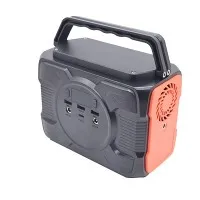
With the development of battery technology, electric bicycles have gradually become a commonly used means of transportation for People's Daily commuting, which is very common in many first-tier cities. All of this is attributed to the continuous improvement of the performance and safety of electric bicycle batteries, among which the 18650 battery is the most commonly used type of battery in electric bicycles. Well, do you know what is the 18650 ebike battery?
As a professional manufacturer of electric bicycle batteries, GEB has a thorough understanding of the characteristics of the 18650 ebike battery. Therefore, in this article, we will delve into the 18650 ebike battery and take you to understand its definition, function and advantages in electric bicycles. Whether you are an electric bicycle enthusiast or an electric bicycle manufacturer, you can obtain useful information in this article.

1. What Does "18650" Mean?
The term 18650 refers to a standardized lithium-ion battery, named for its physical dimensions: 18mm in diameter and 65mm in length, with a cylindrical shape (the "0" denotes its round form factor). These compact yet powerful cells are the building blocks of many eBike battery packs, as well as other applications like electric vehicles and consumer electronics.
- Chemistry: 18650 batteries are typically lithium-ion (Li-ion), using materials like lithium cobalt oxide or lithium manganese oxide for high performance. This chemistry ensures a balance of energy density, safety, and longevity.
- Voltage: Each cell has a nominal voltage of 3.6V or 3.7V, with a fully charged voltage of up to 4.2V.
- Capacity: The capacity ranges from 1200mAh to 3600mAh, depending on the manufacturer and model (e.g., Samsung 30Q or LG MJ1). Higher capacity means longer runtime for your eBike.
- Role in eBikes: In electric bicycles, 18650 cells are not used individually. Instead, multiple cells are assembled in series and parallel configurations to form a complete eBike battery pack. For example, a 36V pack might use 10 cells in series (10S), with parallel groups to increase capacity. A Battery Management System (BMS) oversees the pack's performance, ensuring safety and efficiency.
- Understanding these basics is crucial for anyone exploring eBike batteries, as the 18650 cell is the foundation of most modern battery packs.
2. Why Are 18650 Batteries Used in eBikes?
- The popularity of 18650 batteries in eBikes stems from their exceptional performance and practical advantages. Manufacturers and riders alike choose these lithium-ion cells for several compelling reasons:
- High Energy Density: 18650 cells pack a significant amount of energy into a small, lightweight package. This high energy density allows eBikes to achieve long ranges-often 20 to 40 miles or more per charge-without adding excessive weight.
- Cost-Effective and Mature Supply Chain: The 18650 is a well-established technology with a robust global supply chain. Leading brands like Samsung, LG, and Panasonic produce millions of these cells, keeping costs competitive and ensuring consistent quality.
- Modular Assembly: 18650 cells are easily combined into battery packs with voltages like 36V, 48V, or 52V, tailored to different eBike motors and controllers. Their standardized size simplifies the design of eBike battery packs, making them versatile for various models.
- Strong Compatibility and Easy Maintenance: Thanks to their widespread use, 18650 cells are compatible with most eBike systems. If a cell fails, individual units can be replaced without discarding the entire pack, making repairs cost-effective and straightforward.
These qualities make 18650 batteries the go-to choice for eBike manufacturers and riders seeking reliability, performance, and value.
3. Key Features and Advantages of 18650 eBike Batteries
The 18650 battery offers a range of features that make it ideal for powering electric bicycles. Below are the key advantages, designed to meet the demands of commuters, enthusiasts, and long-distance riders:
- Large Capacity and Long Range: With capacities up to 3600mAh per cell, 18650 battery packs deliver extended range, often supporting 40+ miles of riding, depending on the pack's configuration and riding conditions.
- Long Cycle Life: A quality 18650 cell can endure 500 or more charge-discharge cycles while retaining at least 80% of its original capacity. This translates to years of reliable use with proper care.
- Lightweight and High Voltage: At roughly 45–50 grams per cell and a nominal voltage of 3.7V, 18650 cells provide a high power-to-weight ratio, keeping eBikes agile and efficient.
- No Memory Effect: Unlike older battery types like NiMH, lithium-ion 18650 cells have no memory effect, meaning you can charge them at any time without reducing their lifespan.
- Advanced Safety Designs: Premium 18650 cells incorporate safety mechanisms like:
- PTC (Positive Temperature Coefficient): Limits current during overheating.
- CID (Current Interrupt Device): Disconnects the circuit if internal pressure builds excessively.
- Separator Layers: Multi-layered membranes melt at high temperatures to block ion flow, preventing thermal runaway.
- Flexible Assembly for High Output: By arranging cells in series and parallel, eBike battery packs can deliver high currents for demanding applications, such as hill climbing or high-speed riding.
To illustrate how 18650 batteries compare to other technologies, here's a quick comparison table:
|
Battery Type |
Nominal Voltage |
Capacity (Typical) |
Weight (per Ah) |
Cycle Life |
Key Features |
|
18650 Li-ion |
3.7V per cell |
1200–3600mAh per cell |
~50g per cell |
≥500 cycles |
High energy density, lightweight, long lifespan |
|
NiMH |
1.2V per cell |
1000–2500mAh per cell |
~70g per cell |
~300 cycles |
Moderate performance, heavier, shorter lifespan |
|
Lead-Acid |
2.0V per cell |
10–20Ah per pack |
~300g per Ah |
~200 cycles |
Low cost, very heavy, short lifespan |
This table highlights why 18650 lithium-ion cells are the preferred choice for eBikes, offering superior performance in a compact, durable package.
4. Internal Structure: What's Inside an 18650 Cell?
To appreciate the reliability and performance of 18650 cells, it's helpful to understand their internal construction. These lithium-ion batteries are engineered with precision, combining advanced materials and safety features to deliver high energy in a compact form. Here's a look at what's inside an 18650 cell:
1. Jelly Roll Structure: At the core of an 18650 cell is the "jelly roll," a tightly wound assembly of thin layers. This includes the anode (negative electrode), cathode (positive electrode), and a separator, rolled together like a Swiss roll. The jelly roll maximizes surface area for energy storage within the cylindrical casing.
2. Electrode Materials:
- Cathode: Typically made of lithium-based compounds (e.g., lithium cobalt oxide or lithium manganese oxide) coated onto an aluminum foil current collector. The cathode stores and releases lithium ions during charging and discharging.
- Anode: Composed of graphite coated onto a copper foil current collector. The anode hosts lithium ions when the battery is charged.
3. Separator: A thin, porous membrane (usually made of polyethylene or polypropylene) sits between the anode and cathode. This separator prevents direct contact while allowing lithium ions to pass through. In overheating scenarios (e.g., above 135°C), the separator melts, acting as a "fuse" to block ion flow and prevent thermal runaway.
4. Safety Mechanisms:
- PTC (Positive Temperature Coefficient): A device that increases resistance at high temperatures (around 134°C), limiting current to prevent overheating.
- CID (Current Interrupt Device): A pressure-sensitive mechanism that disconnects the circuit if internal gas pressure builds excessively, reducing the risk of rupture.
- Burst Disc: A safety vent that releases pressure in extreme cases, preventing the steel casing from exploding.
5. Electrolyte: An organic liquid fills the cell, enabling lithium ions to move between electrodes. The electrolyte is carefully formulated to remain stable under normal conditions but can generate gas if overheated.
Understanding this structure helps you evaluate the quality and safety of 18650 cells. Premium cells from reputable brands incorporate robust safety features and high-quality materials, ensuring reliable performance in eBike battery packs.
5. 18650 vs. 21700: Which One Is Better for eBikes?
As eBike technology evolves, a newer battery type, the 21700 cell, has emerged as a competitor to the 18650 cell. While both are lithium-ion batteries, they differ in size, capacity, and performance. Here's a detailed comparison to help you decide which is better for your eBike:
1. Size and Capacity:
- 18650: Measures 18mm x 65mm, with a capacity of 1200–3600mAh per cell. It's compact and widely compatible but limited by its smaller size.
- 21700: Larger at 21mm x 70mm, offering 4000–5000mAh per cell. This higher capacity translates to longer range and potentially fewer cells needed for the same battery pack output.
2. Thermal Management:
- 18650: Adequate for most eBikes but generates more heat in high-drain applications due to its smaller size.
- 21700: Improved heat dissipation thanks to its larger surface area, making it safer and more efficient under heavy loads.
3. Cycle Life:
- 18650: Typically lasts 500–800 cycles, depending on usage and quality.
- 21700: Often exceeds 800 cycles due to better thermal stability and less strain per cell in a pack.
4. Upgrade Considerations: While 21700 cells offer superior performance, upgrading isn't always straightforward. The larger size may not fit in eBike battery compartments designed for 18650 cells, and the Battery Management System (BMS) must be compatible. For newer eBike models or custom builds, 21700 is a strong choice, but 18650 remains practical for most standard setups due to its maturity and lower cost.
The following table summarizes the key differences:
|
Feature |
18650 Cell |
21700 Cell |
|
Size |
18mm x 65mm |
21mm x 70mm |
|
Capacity |
1200–3600mAh |
4000–5000mAh |
|
Energy Density |
Moderate |
Higher |
|
Thermal Management |
Good |
Excellent |
|
Cycle Life |
500–800 cycles |
800–1000 cycles |
|
Cost |
Lower, mature market |
Higher, emerging technology |
|
Compatibility |
Universal, fits most eBikes |
Limited by battery compartment |
Verdict: Choose 18650 cells for cost-effective, widely compatible eBike battery packs. Opt for 21700 cells if your eBike supports them and you prioritize longer range and durability.
6. Replacement Tips: How to Choose or Upgrade Your eBike Battery
Whether you're replacing a worn-out battery or upgrading for better performance, selecting the right 18650 eBike battery pack requires careful consideration. Here are practical tips to guide your decision:
1. Check Compatibility:
- Voltage: Ensure the pack's voltage (e.g., 36V, 48V) matches your eBike's motor and controller.
- Connectors: Verify that the battery's interface (e.g., XT60, Anderson) aligns with your eBike's wiring.
- Size and Shape: Confirm the battery pack fits your eBike's battery compartment or frame mount.
- Controller Compatibility: The Battery Management System (BMS) must support your motor's current demands (e.g., 20A, 30A).
2. Recommended Brands: Opt for 18650 cells from trusted manufacturers known for quality and reliability:
- Samsung 30Q: High discharge rate, ideal for performance eBikes.
- LG MJ1: Excellent balance of capacity and stability.
- Panasonic NCR18650GA: Superior cycle life for long-term use.
3. DIY Replacement:
- DIY assembly of 18650 battery packs is possible but requires technical expertise. You'll need to weld cells, configure the BMS, and ensure proper insulation to avoid short circuits.
- Safety Risks: Incorrect handling (e.g., shoulder shorting, improper welding) can lead to fires or explosions. If unsure, consult a professional or purchase a pre-built pack.
4. Buying Tips:
- Verify the stated capacity (avoid exaggerated claims, e.g., "5000mAh" for a single 18650 cell).
- Check cycle life ratings (aim for ≥500 cycles).
- Look for certifications like UL, CE, or UN38.3 for safety assurance.
- Purchase from reputable suppliers to avoid counterfeit or low-quality cells.
By prioritizing compatibility and quality, you can ensure your new eBike battery pack delivers optimal performance and longevity.
FAQ
Q1: Is an 18650 battery good for eBikes?
Yes, 18650 cells are excellent for eBikes due to their high energy density, long cycle life (≥500 cycles), and ability to form versatile battery packs. They offer a balance of range, weight, and cost, making them ideal for most eBike applications.
Q2: Can I replace my eBike battery with 21700 cells?
It depends. 21700 cells provide higher capacity and better thermal management, but their larger size may not fit your eBike's battery compartment. Check your eBike's specifications and consult a professional to ensure compatibility with the BMS and controller.
Q3: How long does an 18650 battery last in an eBike?
A quality 18650 eBike battery pack lasts 2–5 years, or 500–800 charge cycles, depending on usage, maintenance, and cell quality. Proper care (e.g., avoiding deep discharges, storing at 40–60% charge) extends lifespan.
Q4: Are 18650 batteries safe?
Yes, when manufactured by reputable brands and used correctly, 18650 cells are safe. They include safety features like PTC, CID, and separator layers to prevent overheating and explosions. Always use a compatible BMS and avoid physical damage or improper charging.
Q5: What is the best 18650 battery brand for eBikes?
Top brands include Samsung (e.g., 30Q), LG (e.g., MJ1), and Panasonic (e.g., NCR18650GA). These offer high capacity, reliable performance, and long cycle life, making them ideal for eBike battery packs.