If you own a Bosch-powered e-bike and your battery has started to lose range, you've probably had the same reaction many riders do: why does a replacement cost $800 to $1,300 or more? That price can feel close to buying an entire entry-level e-bike.
As a battery manufacturer with years of experience building lithium-ion packs for electric bikes, I see this question come up constantly. Bosch batteries carry a clear premium, but the reasons go beyond simple branding. In this article, we'll look at current 2026 pricing, break down exactly why Bosch packs cost what they do, compare them with other options, and examine realistic cheaper alternatives that still deliver reliable performance.
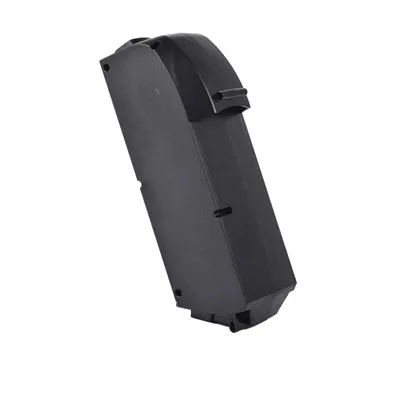
How Much Does a Bosch eBike Battery Cost?
Bosch e-bike batteries come in two main form factors: PowerPack (frame-mounted) and PowerTube (integrated into the down tube or frame). Prices vary mainly by capacity, mounting style, and retailer.
Here are typical 2026 retail prices for popular models:
|
Model |
Capacity |
Type |
Approximate Price (USD) |
Cost per Wh |
|
PowerPack 400 / 545 |
400–545 Wh |
Frame Mount |
$800 – $1,050 |
$1.65 – $1.95 |
|
PowerTube 625 |
625 Wh |
Horizontal/Vertical |
$940 – $1,100 |
$1.50 – $1.76 |
|
PowerTube 750 / 800 |
750–800 Wh |
Horizontal/Vertical |
$1,100 – $1,300+ |
$1.45 – $1.70 |
These figures come from major retailers and Bosch's official distribution network. A mid-range 500–600 Wh Bosch battery usually lands between $900 and $1,100. That works out to roughly $1.5–$2.0 per watt-hour - noticeably higher than many aftermarket packs in the same capacity range.
The upfront cost is real. The next question is whether the extra money buys something that actually matters on the road.
Why Are Bosch E-Bike Batteries So Expensive?
An e-bike battery is never just a box of cells. It includes lithium-ion cells, a battery management system (BMS), protective housing, high-current connectors, and wiring designed to deliver power safely to the motor.
Bosch builds its packs around several factors that drive the price higher.
First, cell selection and chemistry. Bosch uses high-quality cells from suppliers such as Samsung, LG, or Panasonic. These cells offer better energy density and more stable performance across temperature swings. Sourcing premium cells and maintaining tight manufacturing tolerances adds cost right from the start.
Second, the battery management system. Bosch's BMS is proprietary and tightly integrated. It constantly monitors voltage, temperature, and individual cell balance. It can adjust charging and discharging behavior in real time and communicate directly with the motor controller and the eBike Flow app. This level of integration requires more complex electronics and firmware development than a basic BMS.
Third, system-level engineering. Bosch batteries are part of the Bosch Smart System. They are designed to work seamlessly with specific motors (Active Line, Performance Line, CX), displays, and sensors. The pack must fit exact frame geometries - horizontal or vertical PowerTube variants, for example - which means additional tooling and smaller production runs compared with universal designs.
Fourth, safety and certification. Bosch applies German engineering standards with extensive thermal, mechanical, and long-term durability testing. Packs carry UL and CE certifications, and the company maintains global service networks plus warranty support. All of this testing, documentation, and after-sales infrastructure adds overhead.
Finally, brand positioning and distribution. As a major automotive and e-mobility supplier, Bosch sells through dealer networks that include margins at multiple levels. The company also invests heavily in R&D for future technologies such as improved electrolytes and better cold-weather behavior. Those development costs get distributed across current products.
In practice, these elements combine to create a battery that performs consistently and integrates without compromise inside a Bosch-equipped e-bike. That consistency comes at a price.
Bosch vs Other eBike Batteries: What's the Difference?
The real difference shows up when you compare Bosch packs against generic or third-party batteries on the factors that actually affect daily use.
Here is a side-by-side look at the main points:
|
Aspect |
Bosch Batteries |
Other / Generic Batteries |
|
Cell Quality |
Premium Samsung/LG/Panasonic cells |
Mix of standard or lower-grade cells |
|
BMS |
Proprietary, deeply integrated with motor and app |
Basic or aftermarket BMS |
|
System Compatibility |
Full Smart System integration |
Partial or no official integration |
|
Safety Certification |
Full UL/CE + extensive internal testing |
Often limited or uncertified |
|
Warranty & Support |
2+ years with dealer network |
Usually 1 year or less, limited support |
|
Typical Price (600 Wh) |
$950 – $1,150 |
$450 – $750 |
|
Long-term Reliability |
Generally higher cycle life and stability |
Faster degradation in many cases |
Bosch packs deliver tighter cell balancing, better thermal management, and smoother power delivery, especially under heavy load or in varying weather. The Smart System also allows the app to show accurate range predictions and battery health data.
On the other side, many generic batteries use decent cells but cut corners on BMS sophistication, housing durability, or system testing. Some riders report good short-term performance, yet others experience faster capacity loss, occasional power cuts, or compatibility quirks that can strain the motor controller.
Using a non-OEM battery can also void the original motor or bike warranty in certain cases. That risk is real and worth factoring into the decision.
The gap comes down to how much you value seamless integration and long-term peace of mind versus upfront savings.

How to Choose a Cheaper Alternative to Bosch Batteries?
Not every rider needs the full Bosch ecosystem. If your priority is reliable daily performance without the highest price tag, well-engineered alternatives exist.
When evaluating a cheaper replacement, focus on these practical points:
- Use quality lithium-ion cells (18650 or 21700 format from reputable suppliers)
- Choose a BMS with proper over-charge, over-discharge, short-circuit, and temperature protection
- Verify physical fit and electrical compatibility with your specific Bosch motor line
- Check real-world discharge behavior - stable 5A continuous current with headroom to 8A is often sufficient for most commuting and trail use
- Look for redundant safety features such as a physical fuse in addition to electronic protection
At GEB, we build direct replacement packs that target exactly this balance. For example, our 36V 11.6Ah (417Wh) lithium-ion battery is designed as a drop-in option for the Bosch PowerPack 400 frame-mount position. It uses high-quality 18650 cells in a 10S4P configuration, paired with a smart BMS and an additional 40A physical fuse for short-circuit protection.
The pack supports up to 4A fast charging and manages discharge current to reduce thermal stress, which helps maintain cycle life. It is compatible with Bosch Active Line, Performance Line, and CX systems while keeping the same downtube/frame mounting style.
This approach lets riders replace an aging PowerPack 400 without paying the full Bosch premium, while still getting solid safety margins and predictable performance for commuting or weekend rides.
Before buying any alternative, confirm the voltage match, connector type, and mounting hardware. Also consider how the replacement might affect your remaining factory warranty. For many users who ride moderate distances and want to keep costs under control, a properly engineered compatible pack delivers the best overall value.
Conclusion: Why Bosch Batteries Are Expensive
Bosch e-bike batteries cost more because they combine premium cells, a sophisticated proprietary BMS, deep integration with the Smart System, rigorous safety testing, and a full dealer support network. These elements add real engineering and operational expense.
That premium makes sense for riders who want maximum integration and are willing to pay for it. For everyone else - especially those replacing a worn battery on a Bosch-equipped bike - carefully chosen alternatives can provide very similar day-to-day performance at a noticeably lower price.
If you're facing a battery replacement soon and want to discuss options that fit your riding style and budget, feel free to reach out. At GEB we specialize in practical, high-quality lithium-ion battery solutions for e-bikes.
FAQ
Can I use a third-party battery on my Bosch e-bike?
Yes, many riders do. Just ensure proper voltage, connector compatibility, and BMS quality to avoid stressing the motor controller.
How long do Bosch batteries typically last?
With normal use and good care, most last 500–800 full cycles or 3–5 years before noticeable capacity drop, though real results vary with temperature and charging habits.
Is GEB a direct replacement for Bosch PowerPack?
Our 417Wh frame-mount pack is engineered as a compatible replacement for the Bosch PowerPack 400, with matching mounting and electrical characteristics for Active/Performance/CX lines.
Ready to explore more options? Visit our e-bike battery collection or contact us for compatibility advice.