


In the e-bike battery space, two Bosch designs dominate most conversations: PowerTube and PowerPack. The primary distinction comes down to integration. PowerTube sits fully inside the frame downtube. PowerPack mounts externally on the frame or rear rack.
Manufacturers choose one or the other based on frame architecture, target rider, and cost targets. Riders then live with the consequences in daily use - weight distribution, removal ease, protection level, and replacement logistics. This article breaks down the real differences from a battery engineering perspective.
What Are Bosch PowerTube and PowerPack?
PowerTube is an integrated battery that slides into a dedicated slot inside the downtube. It comes in two orientations: horizontal (wider face down, more common on performance frames) and vertical (narrower profile, used when frame geometry demands it). The battery locks in place and becomes part of the frame structure. Removal usually involves tilting it out from the top or bottom after unlocking, with a short travel distance limited by design.
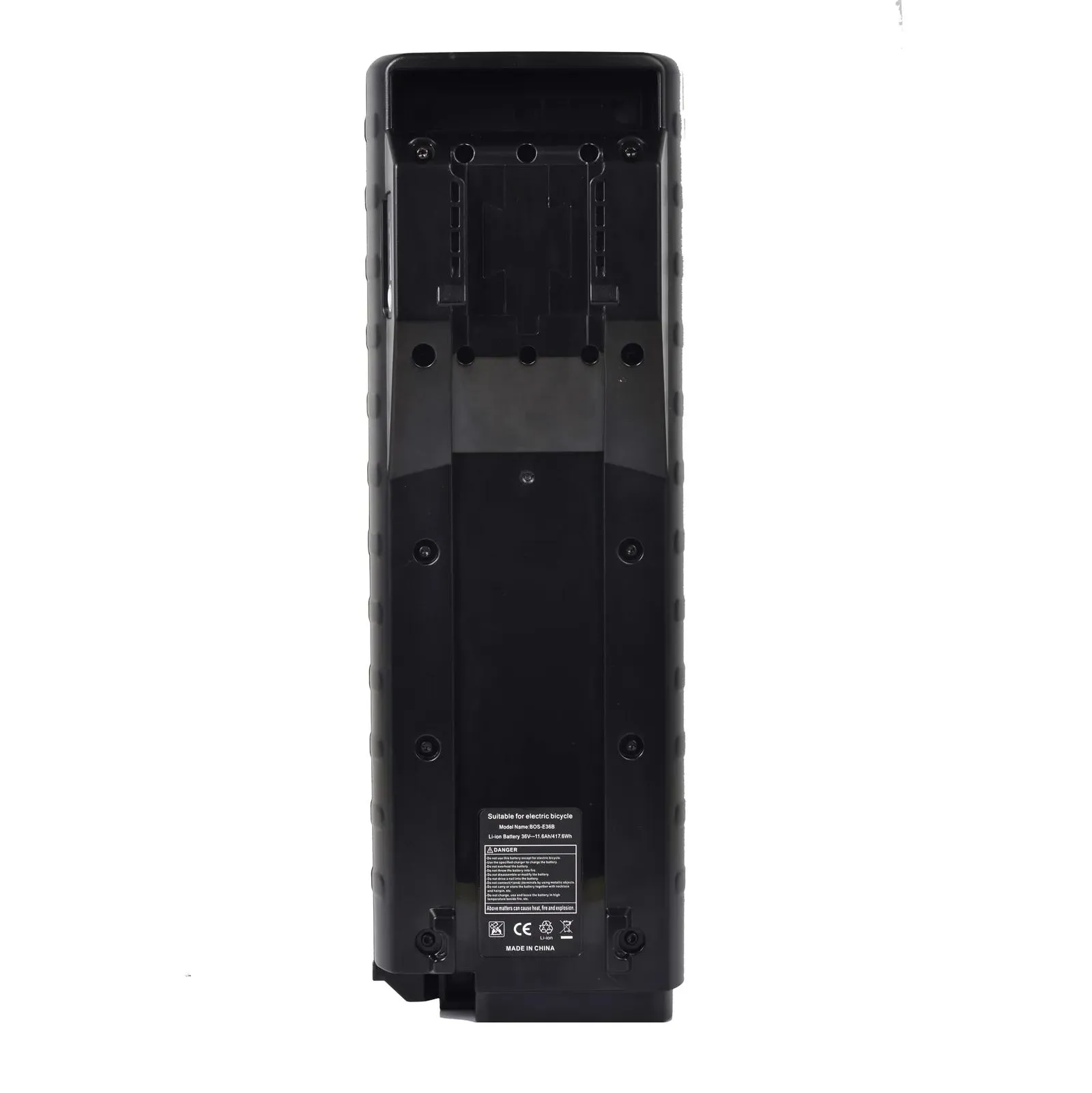
PowerPack is an external battery. It attaches via a standardized mount either on top of the downtube (Frame Mount) or on the rear rack (Rack Mount). Insertion and removal are straightforward - slide or clip it in, turn the key. Frame Mount versions sit closer to the bike's center of gravity. Rack versions work well on step-through or cargo-oriented frames but shift weight rearward.
Both families run on the Bosch Smart System platform in current models. They support the same 36V architecture, connect through the same charging port, and work with DualBattery setups. The eBike Flow app handles monitoring, firmware, and security features like Battery Lock for both. The mechanical lock plus digital protection applies across the line, though physical hiding makes PowerTube harder to target.
PowerTube typically appears on higher-end performance bikes where clean lines matter. PowerPack serves a broader range of commuter, touring, and budget builds.
Bosch PowerTube vs PowerPack: Key Differences
The biggest practical split is installation method and what that forces on the rest of the system.
Installation and Frame Requirements
PowerTube demands a purpose-built downtube slot with the correct orientation (horizontal or vertical). The frame designer must accommodate the battery length and mounting plate. Once installed, the battery stays protected inside the frame tubing. PowerPack needs only a compatible external bracket. Frame Mount versions bolt onto the downtube; Rack versions use standard rear carrier mounts. This makes PowerPack far more flexible across different frame platforms, including step-through designs.
Weight and Weight Distribution
Newer PowerTube cells deliver higher energy density. A PowerTube 540 Wh sits around 3.0 kg, while PowerTube 600 Wh and 800 Wh come in at roughly 3.0–3.9 kg depending on exact model. PowerPack Frame versions: 545 Wh around 3.0–3.3 kg, 800 Wh around 3.9 kg. Older measurements showed PowerTube slightly heavier for the same capacity, but density improvements have narrowed or reversed that gap in recent generations.
Distribution matters more than raw weight. PowerTube places mass low and centered in the downtube, which improves handling stability, especially in aggressive riding. Frame-mount PowerPack also keeps weight relatively central. Rear-rack PowerPack moves mass backward and higher, which can lighten the front end and introduce speed wobble or flex if the frame is not stiff enough or if you add cargo.
Capacity Range (2026 data)
Current offerings include:
|
Battery Type |
Common Capacities |
Approx. Weight |
Typical Use Case |
|
PowerTube |
540 / 600 / 625 / 750 / 800 Wh |
3.0 – 3.9 kg |
Performance & long-range frames |
|
PowerPack Frame |
400 / 545 / 800 Wh |
2.5 – 3.9 kg |
Commuter & versatile builds |
|
PowerPack Rack |
400 / 545 / 800 Wh |
Slightly higher than Frame |
Step-through & cargo bikes |
Charging times with a 4A charger run 4.5–7 hours depending on capacity. Real-world range varies heavily with terrain, rider weight, assist level, and temperature - expect 50–120+ km under mixed conditions. DualBattery capability lets you combine compatible packs for 1,200 Wh+ total in supported systems.
Security
Both use a mechanical lock plus digital features via the Flow app. PowerTube benefits from being hidden inside the frame, raising the effort required for theft. PowerPack is more exposed but can use additional rack locks. Battery Lock (Flow+ subscription) adds digital deactivation if stolen.
Removal and Handling
PowerPack wins on speed. You can pull it off in seconds for indoor charging or swapping. PowerTube removal takes more care - tilt, unlock, slide out. The lack of molded handles on PowerTube makes it less convenient when the pack is fully charged and heavy.
In short, PowerTube trades convenience for integration and protection. PowerPack trades some stealth for everyday practicality.
PowerTube vs PowerPack: Pros and Cons
PowerTube
- Places weight low and centered for better balance in technical riding.
- Offers strong physical protection from impacts, water, and dirt.
- Delivers a clean frame appearance that many premium builders prefer.
- Harder to steal due to internal mounting.
Downsides appear in service: replacement requires matching the exact frame slot and orientation. Travel or rental scenarios become more complicated because you cannot easily swap packs.
PowerPack
- Quick removal for charging, swapping, or transport.
- Standardized mounts simplify compatibility across many bike models.
- Generally lower cost and easier availability for replacements or rentals.
- Frame Mount version maintains decent weight distribution.
Rack versions can shift balance rearward, which some riders notice on descents or when loaded. External exposure means more vulnerability to knocks and weather over years of use.
Security features are comparable, but the physical hiding of PowerTube still gives it an edge against opportunistic theft.
Which One Is Better for Your Riding Needs?
Choose based on how you actually ride and what your frame allows.
PowerTube fits riders who prioritize handling precision and aesthetics. It works well on eMTBs or spirited road/trail bikes where low center of gravity and clean lines matter. The internal placement reduces the chance of damage on rough terrain. If your riding includes long days with varied assist levels, the higher-density options help without adding disproportionate weight.
PowerPack suits commuters, touring riders, and anyone who charges daily or travels frequently. Frame Mount keeps things balanced for spirited city or mixed-road use. Rack Mount shines on step-through frames or when you need to carry panniers. The easy removal means you can charge at work, swap for a fresh pack on multi-day trips, or rent locally without shipping issues.
DualBattery setups blur the lines somewhat. You can pair a PowerTube with a PowerPack on supported bikes for maximum range. Still, the base choice affects daily convenience more than peak range.
Test the actual bike if possible. Weight distribution feels different once you ride - some notice rear bias immediately, others adapt without issue.
Can You Replace a Bosch PowerTube with a PowerPack?
In most cases, no - you cannot directly swap them.
PowerTube requires a specific downtube cavity and mounting interface built into the frame. The orientation (horizontal vs vertical) and connector placement must match exactly. PowerPack uses an external bracket system that the frame may not even have. Attempting a conversion usually means major frame modifications that void warranties and compromise structural integrity.
PowerPack Frame and Rack versions are not interchangeable with each other without the correct mount either. Even within the same family, older and newer generations can have connector or firmware differences.
This limitation creates real headaches for owners who damage a pack or want to travel light. PowerTube bikes lock you into the integrated solution. PowerPack bikes offer more flexibility for swapping or renting.
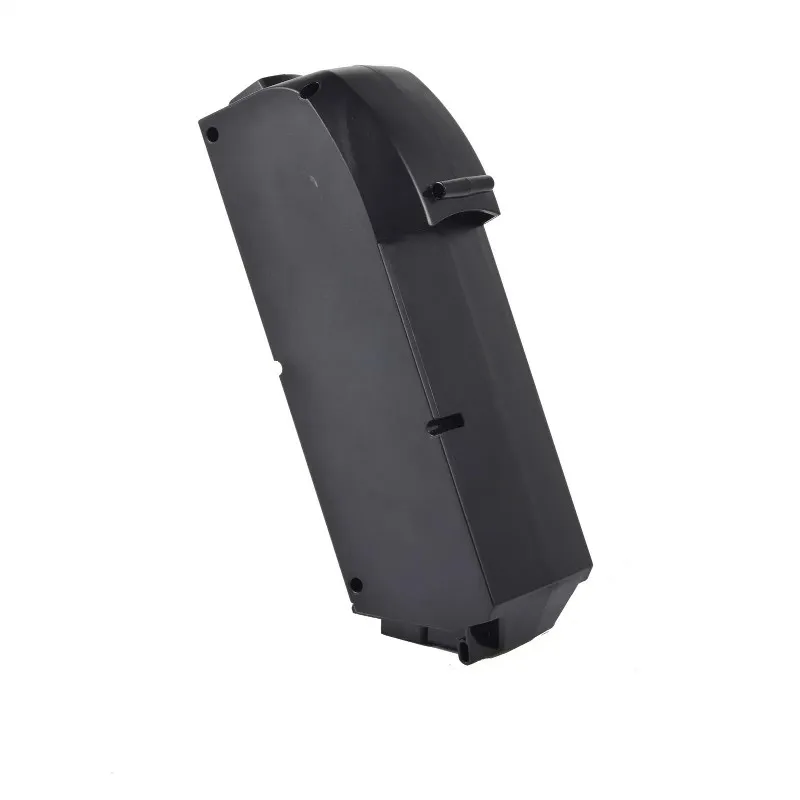
If you run a Bosch PowerPack Frame Mount and need a reliable replacement, the GEB 36V 11.6Ah (417Wh) Lithium-ion Battery Pack provides a direct drop-in option for Active Line, Performance Line, and CX systems (Frame Type). It uses high-quality 18650 cells in a 10S4P configuration with a smart BMS and 40A physical fuse for short-circuit protection. Discharge is managed at a standard 5A (max 8A) to limit heat and extend cycle life. It supports up to 4A fast charging and delivers performance comparable to the original PowerPack 400. Note that this pack is designed for Downtube/Frame mounting only - not compatible with Rear Rack setups.
Always verify your exact system generation and frame mount before ordering any replacement.
Final Thoughts: Which Bosch Battery Type Should You Choose?
PowerTube gives you integration, protection, and balanced handling at the cost of convenience and replacement flexibility. PowerPack delivers everyday practicality and lower barriers to swapping or traveling, though it sacrifices some stealth and weather shielding.
The decision usually comes down to your frame design first, then your riding style. Performance-oriented or aesthetic-focused builds lean toward PowerTube. Daily-use or logistics-heavy applications favor PowerPack. DualBattery can extend range on either platform, but it does not eliminate the core trade-offs.
Looking for a Compatible eBike Battery Solution?
When original Bosch packs need replacement or you want a cost-effective backup, compatibility and safety become critical. As a battery manufacturer, GEB builds packs engineered for stable output and long service life.
For Bosch PowerPack Frame Mount users, the GEB 36V 11.6Ah (417Wh) pack offers a practical alternative. It uses premium 18650 Power Cells in 10S4P layout, optimized discharge management (5A standard, 8A max) to reduce thermal stress, and supports 4A fast charging. Redundant safety includes a sophisticated BMS plus a 40A physical fuse. The result is consistent power delivery suitable for daily commutes or weekend trails while maintaining compatibility with Bosch Active Line, Performance Line, and CX Frame-type systems.
If your setup differs or you need other capacities, reach out - we produce various e-bike batteries with strong Bosch ecosystem compatibility. Checking your frame mount type and system generation remains the first step to a clean fit.
Have questions about your specific bike or replacement options? Drop them in the comments. Real-world experience from riders helps refine these choices further.


