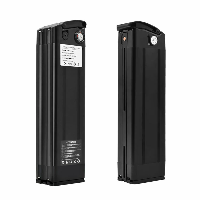
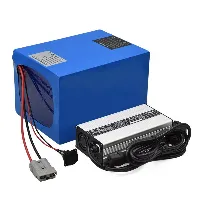
Cell selection is one of the first choices that shapes the cost, range, weight, safety profile, and warranty risk of an e-bike battery project. Yet many buyers ask for a cell brand before they define the application. That can lead to a pack that looks attractive on paper but is not the best fit for the bike or market.
The real question is not whether 18650, 21700, or LFP is universally better. The better question is: which cell format and chemistry match your motor power, range target, housing space, safety expectations, price position, and service model?
Quick Answer: 18650 cells are mature and flexible for many replacement and mid-range projects. 21700 cells can offer higher energy per cell and better pack efficiency when the housing supports them. LFP is attractive for safety, long cycle life, and fleet use, but it usually needs more space for the same energy. The best choice depends on application, not only cell name.
Key Takeaways for B2B Buyers
- Choose cells after confirming the bike type, controller current, housing space, and target range.
- Do not compare cells only by Ah; compare Wh, current rating, thermal behavior, cycle life, and supply stability.
- LFP can be strong for safety-focused or fleet projects, while NCM/NCA cylindrical cells are common for compact high-energy packs.
- Ask suppliers to explain why a cell type is suitable for your specific application.
Buyer Decision Snapshot
| Cell Option | Best Fit | Buyer Risk to Check |
|---|---|---|
| 18650 lithium-ion | Mature designs, replacement packs, flexible housing layouts. | Cell grade variation and lower energy per cell compared with newer formats. |
| 21700 lithium-ion | Longer range packs where housing space allows efficient layout. | Mechanical redesign may be needed; check thermal and BMS margin. |
| LFP chemistry | Fleet, safety-focused, long cycle-life, and lower-risk applications. | Lower energy density can increase size or weight for the same Wh. |
| Mixed supplier recommendation | Projects where cost, volume, and safety must be balanced. | Supplier may push available inventory instead of the best engineering option. |
Recommended Reading Path: Cell selection affects BMS design, sample testing, warranty terms, and shipping documents. If your project needs a safe and cost-effective pack design, learn more about GEB custom e-bike battery manufacturing or request a cell selection review.
Why Cell Choice Matters More Than the Brand Name Alone
Well-known cell brands are important, but the cell brand alone does not define battery quality. A good pack also depends on cell matching, BMS design, nickel strip layout, welding quality, thermal design, housing structure, testing, and supplier process control. Two packs using similar cells can perform very differently if one is engineered carefully and the other is assembled only to meet a low price.
B2B buyers should therefore evaluate both the cell and the pack design. Ask the supplier why a specific cell is recommended, what discharge margin it provides, how it affects pack size, and how it supports the warranty target. A professional supplier should be able to explain the engineering trade-off instead of only saying "this cell is good."
18650 Cells: Mature, Flexible, and Cost Effective
18650 cells have been used in e-bike batteries for many years. They are mature, widely available, and suitable for many commuter, replacement, and standard battery pack designs. Because the format is common, many housings and pack structures are already designed around 18650 cells. This can reduce development risk and speed up sampling.
The main advantage of 18650 cells is flexibility. Suppliers can configure different parallel groups to achieve various capacities and current ratings. For moderate power e-bikes, replacement batteries, rear rack batteries, and cost-sensitive projects, 18650 cells can still be a practical choice.
Best fit for 18650 cells
- Standard city e-bikes and commuter models.
- Bosch-style or frame-mounted replacement batteries.
- Projects using existing housings designed for 18650 cells.
- Buyers balancing cost, availability, and proven performance.
- Moderate current applications where extreme energy density is not required.
21700 Cells: Higher Capacity and Better Energy Density Potential
21700 cells are larger than 18650 cells and usually offer higher capacity per cell. This can help reduce the number of cells needed for a target Wh capacity or increase energy density in a suitable housing. For long-range e-bikes, premium packs, and higher-capacity down tube batteries, 21700 cells may provide a cleaner design path.
However, 21700 cells are not automatically better for every project. The housing must have enough space, the pack structure must be redesigned properly, and the cell model must match the current requirement. Some buyers choose 21700 cells for marketing reasons but later discover that the existing battery case was designed for 18650 layout. That can create mechanical compromise or tooling cost.
Best fit for 21700 cells
- Long-range commuter and touring e-bikes.
- Premium battery packs where higher Wh is important.
- New product development with enough housing space.
- Projects where reducing cell count can simplify design.
- Applications needing stronger capacity without making the pack too large.
LFP Cells: Safety, Cycle Life, and Stability
LFP, or lithium iron phosphate, is often selected when safety, cycle life, and thermal stability are high priorities. It usually has lower energy density than many NCM-based cells, which means the same Wh may require more space or weight. But for some B2B applications, especially fleet, rental, delivery, and safety-sensitive markets, the trade-off may be worthwhile.
LFP chemistry can be attractive for buyers who want a long service life and reduced thermal risk. It may also support business models where batteries are charged frequently and used daily. The key is to evaluate the full pack design, not only chemistry. LFP voltage characteristics, charger compatibility, BMS settings, and housing space must be considered from the beginning.
Best fit for LFP options
- Fleet, rental, and delivery e-bike operations.
- Projects prioritizing safety and long cycle life.
- Battery systems with enough space for lower energy density.
- Markets where conservative thermal behavior is valued.
- Applications where daily charging and long service life matter more than minimum weight.
Compare by Application, Not by One Specification
A common mistake is choosing cells based only on capacity or price. A high-capacity cell may not be suitable for high discharge. A low-cost cell may increase warranty risk. A long-cycle chemistry may require a larger housing. A premium cell may be unnecessary for a short-range city model. Procurement should compare cell choices through the complete application.
For example, a 250W commuter e-bike may work well with a cost-effective 18650 pack. A 750W e-MTB or cargo bike may need stronger current capability and better thermal margin. A delivery fleet may prioritize cycle life and safety. A premium touring model may prefer high-capacity 21700 cells. The best option is the one that fits the product strategy.
Questions Buyers Should Ask Suppliers
- Which cell model do you recommend and why?
- What is the continuous discharge rating of the cell and the pack?
- How does this cell choice affect pack size and weight?
- What is the expected cycle life under our usage profile?
- Can you provide cell matching and test records?
- What happens to cost if we choose another cell grade?
- Is the selected cell stable in supply for repeat orders?
Questions to Ask Before Choosing a Cell Platform
- What cell model is recommended and why does it fit this application?
- What is the expected pack-level Wh, weight, and continuous current?
- Can the housing support the required series/parallel layout?
- How stable is cell availability for repeat orders?
- What cycle life and warranty assumptions are realistic for the selected cell?
Procurement Tip: If a supplier answers these questions clearly, the project is usually easier to sample, inspect, and repeat. If the answers stay vague, treat the quotation as preliminary rather than final.
Conclusion
18650, 21700, and LFP cells all have a place in e-bike battery procurement. The strongest decision is not based on cell popularity alone. It is based on application, current demand, housing space, safety target, warranty strategy, and total cost of ownership. B2B buyers should ask suppliers to justify the recommendation with engineering logic, not only a brand name.
Not sure whether 18650, 21700, or LFP is better for your e-bike battery project? Contact GEB with your bike type, motor power, range target, housing size, and target market for a practical cell selection review.
FAQ
Are 21700 cells always better than 18650 cells?
No. 21700 cells can offer higher capacity per cell, but 18650 cells may be more suitable for existing housings, cost-sensitive projects, and mature replacement battery designs.
Is LFP too heavy for e-bike batteries?
LFP usually has lower energy density than many NCM cells, so weight and space must be considered. However, it can be attractive when safety and cycle life are more important than minimum weight.
Should buyers request a specific cell brand?
Buyers can request preferred brands, but they should also evaluate the exact cell model, BMS, assembly quality, test process, and supplier consistency.
Is LFP always safer than other lithium-ion chemistries?
LFP is generally valued for thermal stability and long cycle life, but pack safety still depends on BMS design, cell matching, assembly quality, charger compatibility, and proper protection structure.