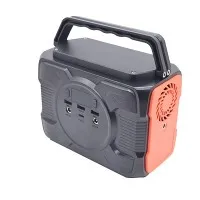
Yes, you can take an E-bicycle battery on an aeroplane, but there are important regulations to follow. Most airlines allow lithium batteries under 100Wh in carry-on luggage without special approval. For batteries between 100Wh and 160Wh, prior airline approval is typically required. Batteries exceeding 160Wh are generally prohibited. Always check your airline's specific policies and ensure your battery is properly protected during travel. Charging the battery to around 30-50% before flying is advisable to enhance safety.

Understanding E-bicycle Batteries
Before addressing the regulations, it's essential to understand the types of batteries used in E-bicycles. Most E-bicycles operate using lithium-ion batteries due to their high energy density, lightweight design, and rechargeability. These batteries typically have a voltage ranging from 36V to 48V and a capacity that can vary between 10Ah to 20Ah or more, translating to watt-hours (Wh). The capacity directly impacts the range and performance of the E-bicycle, but it also plays a crucial role when it comes to air travel.

Airline Regulations and IATA Guidelines
When planning to travel with an E-bicycle battery, it's imperative to familiarize yourself with airline regulations and guidelines set by the International Air Transport Association (IATA). Airlines enforce strict rules regarding the transportation of lithium batteries, mainly due to their potential fire hazards.
General Guidelines
Carry-on vs. Checked Baggage: Most airlines require that lithium batteries must be carried in the cabin (carry-on) rather than in checked luggage. This is because the cabin is equipped with fire suppression systems that can mitigate risks should a battery malfunction.
Capacity Limits: IATA has set specific capacity limits for lithium batteries. Typically, batteries with a capacity of up to 100Wh are allowed in carry-on luggage without any special arrangements. For batteries between 100Wh and 160Wh, most airlines permit them but often require approval in advance. Batteries exceeding 160Wh are generally prohibited on passenger flights.
Specific Airline Policies
While IATA provides a framework, individual airlines may have their own policies that could vary significantly. Here are examples from major airlines:
Delta Airlines: Permits lithium batteries under 100Wh in carry-on baggage. Batteries between 100Wh and 160Wh require prior approval.
American Airlines: Similar to Delta, they allow batteries under 100Wh and require special arrangements for those above.
United Airlines: Also follows IATA guidelines, allowing batteries under 100Wh in carry-on baggage.
To avoid complications, always check the airline's website or contact their customer service before traveling.

Calculating Battery Capacity
Understanding how to calculate the watt-hour (Wh) capacity of your E-bicycle battery is crucial. The formula is simple:
Wh = Voltage (V) x Amp-Hours (Ah)
For example, if your E-bicycle battery is 48V and 15Ah, the calculation would be:
48V x 15Ah = 720Wh
Since this exceeds the 160Wh limit, you'd need to explore alternative arrangements or consider renting a battery at your destination.

How to Safely Transport Your E-bicycle Battery
Traveling with an E-bicycle battery requires preparation to ensure safety and compliance with airline regulations. Here are some practical tips:
1. Battery Preparation
Charge Level: Before your flight, charge the battery to about 30% to 50%. This level is generally considered safe and helps prevent the risk of thermal runaway.
Disconnect: If possible, disconnect the battery from the bicycle to avoid accidental activation.
2. Protection and Packaging
Battery Case: Use a protective case specifically designed for lithium batteries. These cases can prevent short circuits and damage during transport.
Labeling: Clearly label the battery with relevant information, including its watt-hour capacity.
3. Check Regulations
Always check the specific requirements of the airline you're flying with, as well as any regulations for your destination country. Some countries may have additional restrictions on lithium battery transportation.
4. Choose a safe and qualified electric bicycle battery
Safe and qualified electric bicycle batteries are often certified by strict safety testing and relevant authorities. Including Short circuit test, Heat shock test, Punch test, Pressure test, 1.2M drop test, Nail penetration test and so on, the battery safety is guaranteed.
GEB is equipped with professional battery testing facilities, and the company adheres to a high-quality vision to perform the following reliability tests for all E-bike batteries:
|
Cycle life test |
Over charge test |
Over discharge test |
|
Short circuit test |
Heat shock test |
Punch test |
|
Pressure test |
1.2M drop test |
Nail penetration |
|
High and low temperature discharge test |
Discharge test at different C rate |
Constant humility and temperature test |
|
Self-discharge test at different temperatures |
Alternative Options for Traveling with E-bicycles
If carrying your E-bicycle battery proves too complicated, consider these alternatives:
1. Renting an E-bicycle at Your Destination
Many cities now offer rental services for E-bicycles, which can eliminate the hassle of transporting your battery. Research local bike shops or rental services in advance to ensure availability.
2. Shipping Your Battery
Another option is to ship your E-bicycle battery to your destination via a courier service. Ensure that the service complies with IATA guidelines and is experienced in handling lithium batteries.
Frequently Asked Questions (FAQs)
Can I bring my E-bicycle battery on a domestic flight?
Yes, but make sure it meets the capacity limits set by the airline. Always confirm the airline's specific regulations.
What happens if my battery exceeds the 160Wh limit?
Batteries exceeding 160Wh are typically prohibited on passenger flights. Consider shipping options or renting a battery at your destination.
Are there additional fees for carrying a battery?
Some airlines may charge additional fees for transporting lithium batteries. Check with your airline for any potential charges.
Can I take multiple smaller batteries?
Yes, you can carry multiple batteries as long as each complies with the 100Wh limit. However, ensure they are properly protected and packaged.
What should I do if my battery is damaged before travel?
If your battery is damaged, do not attempt to travel with it. Contact the airline for advice on how to dispose of or recycle it safely.
Can you transport an ebike with battery in?
Most airlines allow you to transport an E-bike with the battery installed, but check specific airline regulations. Generally, the battery must meet capacity limits, and it's safer to transport it in carry-on luggage.
How to transport an electric bike overseas?
To transport an electric bike overseas, you can disassemble it and place it in a sturdy bike box or case. Check with your airline for specific requirements, including battery regulations, and consider shipping options if flying isn't feasible.
How else can I transport my e-bike battery when traveling?
You can ship your E-bike battery separately through a courier that specializes in hazardous materials, or you can rent a battery at your destination. Always ensure compliance with local regulations and airline policies.