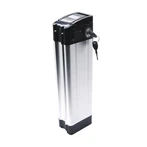
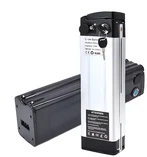
In the growing field of electric vehicles, the demand for high-performance electric bicycle (E-bike) batteries has surged due to the need for longer range, better safety and greater efficiency. The lithium-ion (Li-ion) battery pack is one of the most critical components of any e-bike. As the top manufacturer of electric bicycle batteries in China, this article delves into the basic manufacturing process and design considerations for building reliable, high-performance lithium-ion battery packs for electric bicycles.

Understanding the Basics of E-bike Lithium-ion Battery Packs
Lithium-ion battery packs are the powerhouses behind electric bicycles, offering high energy density, long cycle life, and relatively light weight compared to traditional lead-acid batteries. These packs typically consist of several lithium cells arranged in series or parallel, which provide the necessary voltage and capacity for the bike's motor to perform efficiently.
The design of the battery pack must ensure compatibility with the E-bike's power system, maximizing torque, acceleration, and range. Lithium iron phosphate (LiFePO4) and lithium nickel manganese cobalt oxide (NMC) are the most common chemistries used in E-bike batteries, each offering specific advantages in terms of stability, lifespan, and energy density.

The E-bike Lithium-ion Battery Manufacturing Process
The process of manufacturing a lithium-ion battery pack for E-bikes is intricate, involving several key stages to ensure both performance and safety.
Step 1: Raw Material Selection and Cell Preparation
The manufacturing process starts with the careful selection of battery cells. E-bike lithium-ion batteries typically use cylindrical cells (like the 18650 or 21700), prismatic, or pouch cells, each chosen based on the desired application. Manufacturers source cells from reputable suppliers to ensure quality and consistency. Cells are then sorted based on key characteristics, such as voltage and internal resistance, to ensure uniformity and long-lasting performance.
Step 2: Battery Cell Assembly
Once the cells are prepared, the assembly process begins. This includes connecting the cells in series or parallel, depending on the required voltage and capacity of the E-bike system. For example, a typical 48V E-bike battery might use 13-14 cells in series (3.7V each), while larger battery packs for high-performance E-bikes may require additional cells.
The cells are arranged into a protective housing, often made of durable ABS plastic, which offers impact resistance and corrosion protection. This housing is designed to safeguard the battery from external conditions like water, dust, and extreme temperatures.
Step 3: Integration of the Battery Management System (BMS)
A crucial component of the battery pack is the Battery Management System (BMS). The BMS monitors the health of the battery pack by regulating the charging and discharging cycles, protecting the cells from overcharging, over-discharging, and short circuits. The BMS also ensures the overall safety of the battery by maintaining thermal regulation and voltage balance across the cells.
In high-end E-bike systems, advanced smart BMS solutions with CANBUS or UART communication protocols are integrated to monitor performance in real-time and allow for diagnostics and optimization during use.
Step 4: Insulation and Safety Features
The battery pack must be properly insulated to prevent short circuits and ensure safety during operation. Thermal insulation materials are added to protect against heat generation, while high-quality wiring and connectors are used to ensure a secure connection between cells and the motor.
The pack's design also includes internal safety features, such as fuses and pressure relief valves, to protect against risks like thermal runaway or external physical damage.

E-bike Battery Pack Design Considerations
When designing a lithium-ion battery pack for E-bikes, several key factors must be considered:
Voltage and Capacity Requirements: The first step in the design process is understanding the voltage and capacity requirements of the specific E-bike model. For example, a 48V battery pack typically provides the necessary power for higher-performance E-bikes. The capacity, measured in amp-hours (Ah), determines how far the E-bike can travel on a single charge, which is a crucial consideration for both commuters and recreational riders.
Battery Form Factor: E-bike battery packs come in different form factors, such as cylindrical, prismatic, or pouch cells. Each form factor has unique benefits. Cylindrical cells are durable and cost-effective, while prismatic cells are more space-efficient, and pouch cells are lightweight and flexible, ideal for compact or custom designs. The form factor directly impacts the overall design of the battery pack, including its size, shape, and performance.
Temperature Management: Lithium-ion batteries are sensitive to temperature fluctuations, and extreme heat or cold can significantly impact their performance and lifespan. The battery pack design must include effective thermal management solutions to maintain an optimal operating temperature, particularly in regions where extreme weather conditions are prevalent. Cooling plates or thermal pads are often incorporated to manage heat dissipation.
Durability and Protection: The external casing of the battery pack must be durable and resistant to impacts, vibrations, and environmental factors like water and dust. Many manufacturers choose ABS plastic for its balance of durability, cost, and ease of manufacturing. Additionally, protective circuits and fuses are integrated to prevent overcurrent, overcharge, and short circuits, enhancing the overall safety of the E-bike battery.
Quality Control and Testing
Ensuring the quality and safety of lithium-ion battery packs for E-bikes is crucial. Rigorous quality control measures are implemented at each stage of the manufacturing process. These include testing the individual cells for voltage and resistance, ensuring uniformity in assembly, and verifying that the Battery Management System (BMS) functions correctly.
Final testing involves evaluating the pack's performance under various conditions, including charging and discharging cycles, thermal tests, and capacity testing. The goal is to ensure the battery pack meets the highest standards for performance, reliability, and safety.
Trends in E-bike Battery Manufacturing
The E-bike battery industry continues to innovate, with advancements aimed at improving energy density, reducing weight, and enhancing safety. Manufacturers are exploring new battery chemistries, such as lithium iron phosphate (LiFePO4), which offers superior thermal stability and longer cycle life. Additionally, manufacturers are adopting sustainable practices, including battery recycling and energy-efficient production techniques, to reduce their environmental impact.
Another key trend is the development of fast-charging technologies, which significantly reduce the time it takes to recharge an E-bike battery. As the demand for electric bicycles grows, these innovations will play a crucial role in improving the overall E-bike experience.
Conclusion
The lithium-ion battery pack is a critical component of any E-bike, and its design and manufacturing process are essential for delivering a high-performance, reliable, and safe product. By understanding the key steps involved in E-bike battery production-ranging from cell sorting and assembly to the integration of advanced Battery Management Systems-manufacturers can produce batteries that power the next generation of electric bicycles. With ongoing advancements in battery technology, the future of E-bikes looks brighter than ever.