When we need to expand a power system, connecting two 12-volt batteries in parallel or series is a common method. Whether powering an RV, a boat, or a solar storage system, understanding the correct wiring method can help you achieve the required voltage or capacity.
Choosing series or parallel should be based on your actual needs, and you must strictly follow operation standards to ensure safety. Below are the methods and considerations:

What Is Series and Parallel?
Series Connection
- Effect: Voltage increases, total voltage = single battery voltage × number of batteries; capacity (Ah) remains the same.
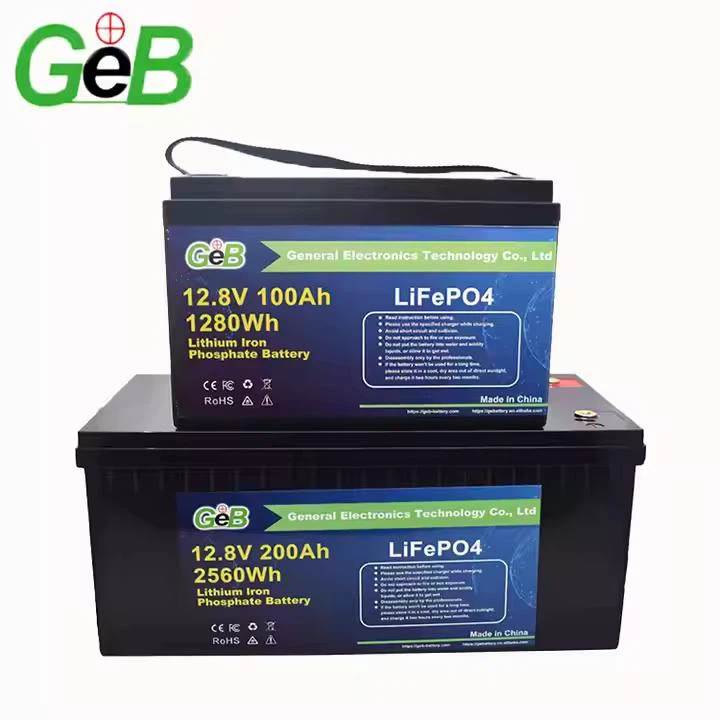
- Example: Two 12V 100Ah batteries in series → 24V 100Ah.
- Application: For devices requiring higher voltage (such as 24V inverters, power tools, electric boats).
Parallel Connection
- Effect: Capacity increases, total capacity = single battery capacity × number of batteries; voltage remains the same.
- Example: Two 12V 100Ah batteries in parallel → 12V 200Ah.
- Application: For devices requiring longer runtime (such as lighting systems, low-power appliances, solar storage).
How to Connect Two 12V Batteries in Series
Steps:
1. Confirm battery parameters:
- Both batteries must be 12V, with the same capacity (Ah).
- Avoid mixing different capacities; the smaller one will discharge first, leading to over-discharge damage.
2. Wiring method:
- Connect the positive (+) terminal of the first battery to the negative (-) terminal of the second battery.
- The remaining positive (+) and negative (-) terminals are used as the output → total voltage = 24V.
Notes:
- Use a 24V charger after connecting in series (cannot use a 12V charger).
- Ensure the device supports 24V input; otherwise, it may be damaged.
- Batteries should be of the same brand, model, and service age.
How to Connect Two 12V Batteries in Parallel
Steps:
1. Confirm battery parameters:
- Voltage must be the same (both 12V).
- Capacity may differ but should be close to avoid unbalanced charging and discharging.
2. Wiring method:
- Connect the positive (+) terminals together and the negative (-) terminals together.
- Any pair of positive and negative terminals can be used as the output → total voltage = 12V, total capacity = sum of Ah.
Notes:
- Before parallel connection, check the voltage with a multimeter; the difference should not exceed 0.1V.
- Use a 12V charger that supports parallel charging, with sufficient current.
- Long-term parallel use may cause uneven aging; regular checks are recommended.
- For balanced load, connect the device positive to one battery and the device negative to the other battery.
Key Safety Tips
- Tools: Wear insulated gloves and goggles; use wires of appropriate gauge (based on current).
- Environment: Operate in a dry, ventilated area, away from flammable items; avoid humid or high-temperature conditions.
- Emergency handling:
- If sparks, overheating, or odor occur during connection, disconnect immediately.
- Stop using batteries if leakage or swelling is observed.
FAQ
Q: Can batteries of different capacities be connected in series?
A: Not recommended. The smaller capacity battery will discharge first, which may cause over-discharge damage or safety risks.
Q: How to charge after parallel connection?
A: Use a parallel-compatible charger, or disconnect the parallel connection and charge separately.
Q: Can a 12V charger be used after series connection?
A: No. After series connection, voltage is doubled, and a 24V charger must be used.
Conclusion
- Series: Voltage doubles, capacity unchanged → suitable for high-voltage devices.
- Parallel: Voltage unchanged, capacity doubles → suitable for long runtime.
- Core principle: Same voltage, similar capacity, strictly follow operation standards, safety first.
Correct wiring can extend battery life and avoid safety hazards. If you lack experience, consult a professional or refer to the battery manufacturer's manual.
Why Choose GEB for Your Battery Solutions?
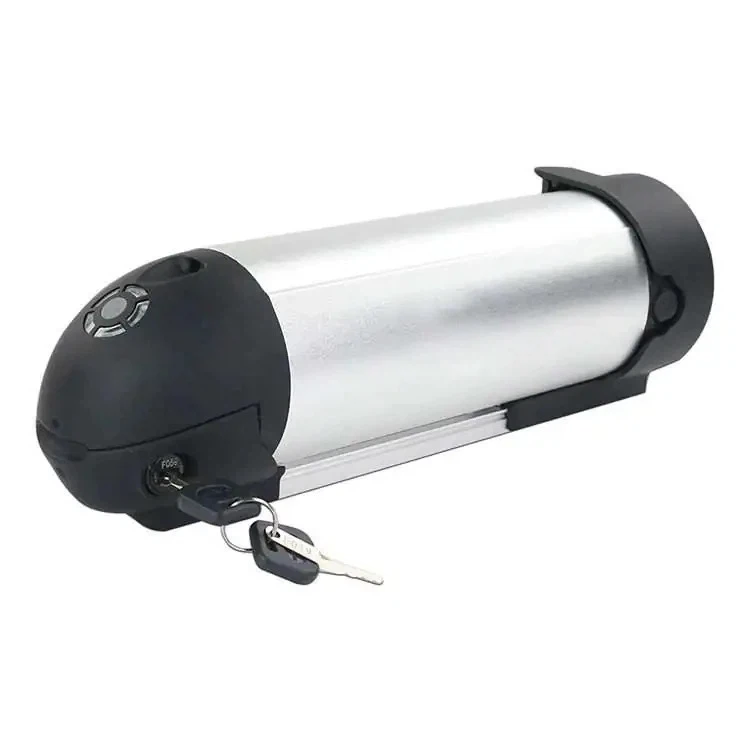
At GEB (General Electronics Technology Co., LTD), we specialize in providing high-quality lithium-ion batteries for electric bicycles, including the popular 36V e-bike battery. Our batteries are known for their high energy density, lightweight design, and long cycle life, making them ideal for demanding applications.
Whether you need to power your e-bike or expand your energy storage system, our 36V lithium batteries provide reliable performance with built-in safety features like overcharge and short circuit protection. We offer customized solutions for both small and large projects, ensuring that your power needs are met with the utmost precision and reliability.
Ready to power your next project with reliable batteries? Choose GEB for cutting-edge battery technology and exceptional customer service. Contact us today to learn more about our 36V e-bike batteries and how we can support your energy storage needs. (sales@gebattery.co)