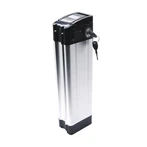
When it comes to electric bicycles (e-bikes), the battery is the heart of the system. It's what powers the motor and determines the range and performance of your ride. However, many e-bike enthusiasts and riders often wonder: How can I hook up two batteries in a bicycle? Whether you're looking to increase the range of your bike, enhance its performance, or simply extend the life of your battery pack, hooking up two batteries can be an effective solution. But, how exactly do you do this? And, more importantly, what are the best practices for doing it safely?
In this comprehensive guide, we will dive deep into the process of connecting two batteries to your e-bike, explain the different configurations, highlight safety precautions, and provide practical tips for ensuring optimal performance. By the end of this article, you'll have all the information you need to safely and efficiently hook up two batteries in your e-bike.

Why Would You Want to Hook Up Two Batteries in a Bicycle?
Before jumping into the technicalities of how to hook up two batteries in your bicycle, let's first discuss why you might want to do this.
Increased Range: The most common reason for connecting two batteries is to increase the total range of your electric bike. By adding another battery to your setup, you can double the watt-hour (Wh) rating, which directly impacts the distance your e-bike can travel on a single charge.
Higher Capacity: By using two batteries, especially with higher capacities like 48V 20Ah or 48V 10Ah, you can ensure a longer-lasting charge, particularly for long-distance riders or those who use their e-bike in challenging terrain.
Performance Boost: With two batteries connected in series or parallel, you can fine-tune the performance of your e-bike. This means more power to the motor for faster speeds, better climbing capability, and more efficient use of energy during rides.

Key Terminology You Need to Know
Before diving into the step-by-step guide, let's define some important terms that will come up as we discuss how to hook up two batteries in your e-bike:
Amp Hours (Ah): This is the capacity of the battery, often referred to as "amp hour rating." A higher Ah rating means the battery can store more energy, which leads to longer run times.
Watt Hours (Wh): Watt hours measure how much energy a battery can supply over a given period. It's a product of voltage and amp hours (Wh = V x Ah). More watt hours mean more energy and, therefore, a longer riding distance on a single charge.
Voltage (V): Voltage determines how much power is supplied by the battery to the motor. Common e-bike voltages are 36V, 48V, and sometimes 72V. Connecting batteries in series increases voltage, while connecting in parallel increases the overall capacity.
Battery Management System (BMS): A BMS is crucial in managing the health and safety of your batteries. It ensures that the batteries are balanced, protects them from overcharging, and ensures safe discharge levels.
Step-by-Step Guide: How to Hook Up Two Batteries in Your E-Bike
1. Understand the Battery Configuration Options
There are two primary ways to hook up two batteries to your e-bike: in series or in parallel.
Series Connection: When you connect batteries in series, you increase the total voltage of the system while keeping the capacity the same. For example, if you connect two 48V 10Ah batteries in series, the total voltage will be 96V, but the capacity will remain at 10Ah. This method is often used when you need a higher voltage to support powerful motors or to increase the top speed of your bike.
Parallel Connection: When you connect batteries in parallel, the voltage stays the same, but the capacity is doubled. For instance, connecting two 48V 10Ah batteries in parallel will give you a total of 48V 20Ah, which means you'll have double the capacity, but the voltage remains the same. This is the ideal setup for increasing range without affecting the power output of the motor.
Each connection type has its advantages. If you need higher voltage for speed or to match your motor's requirements, series is the way to go. If you want to extend the range without changing the motor's performance, parallel is the best choice.
2. Ensure the Batteries Are Compatible
Not all batteries are compatible with one another. When hooking up two batteries, it's crucial that they are:
The same voltage: For safety and efficiency, ensure that both batteries are of the same voltage. Connecting two batteries with different voltages can cause imbalances, which can lead to inefficiency and potential damage.
The same chemistry: The chemistry of the batteries should match. For example, if one battery is lithium iron phosphate (LiFePO4) and the other is a standard lithium-ion battery, they may not work well together. Most e-bike batteries use lithium-ion chemistry, but it's important to verify this before connecting them.
Similar capacities: Ideally, the two batteries should have the same capacity (Ah) to ensure a balanced load. Using two batteries with vastly different capacities could cause one battery to discharge faster than the other, leading to uneven performance.
3. Install the Battery Management System (BMS)
A Battery Management System (BMS) is essential when connecting two batteries, particularly when they are connected in series. The BMS will:
Monitor each battery's charge: It ensures that both batteries charge evenly and that neither gets overcharged or undercharged.
Provide safety: The BMS protects the battery pack from common issues like overvoltage, overcurrent, and overheating.
Balance the batteries: A good BMS ensures that the batteries charge and discharge at the same rate, extending the lifespan of your batteries.
You can either purchase an integrated BMS with the batteries or install one separately, depending on your e-bike's configuration.
4. Wiring the Batteries Together
Once you've confirmed that your batteries are compatible and that you have a BMS in place, it's time to wire them together.
Series Connection: To connect batteries in series, you connect the positive terminal of the first battery to the negative terminal of the second battery. Then, you can connect the remaining positive and negative terminals to the motor and controller. Remember, series connections will increase your voltage, so ensure that your e-bike's motor and controller can handle the higher voltage.
Parallel Connection: For a parallel connection, connect the positive terminals of both batteries together, and do the same for the negative terminals. This keeps the voltage the same but doubles the amp-hour rating, increasing your capacity and range.
5. Test the Setup
Once the wiring is complete, it's time to test your setup. Ensure that both batteries are charged to the appropriate levels and that the motor runs smoothly. You can also use a multimeter to check the voltage of the battery pack and make sure everything is operating correctly.
6. Safety Precautions
Check for Short Circuits: Before powering up your bike, double-check all connections for any signs of short circuits. This can be particularly dangerous and may damage your batteries or other electrical components.
Balance Charging: If you're using a parallel connection, consider a balance charger to ensure both batteries charge at the same rate. Unbalanced charging can lead to reduced battery lifespan and potential issues down the road.
Monitor Battery Temperature: Batteries can get hot during use, especially when connected in series. Ensure that your batteries are kept in a cool, dry place and monitor their temperature regularly during use.
Conclusion
Connecting two batteries to your e-bike is an excellent way to increase your bike's range, improve its performance, and extend battery life. By carefully considering your configuration options (series vs. parallel), ensuring battery compatibility, using a proper BMS, and following all safety precautions, you can safely enhance your electric bike's capabilities.
Whether you're looking to achieve higher speeds, tackle longer distances, or simply make your e-bike more powerful, the ability to hook up two batteries opens up a world of possibilities. By understanding the nitty-gritty details of battery capacities, voltages, and wiring methods, you can ensure that your setup provides the best performance without compromising safety.
As with any DIY electrical project, always make sure to follow proper guidelines, and if in doubt, consult with an expert. Happy riding!

Get long-range e-bike batteries now
GEB, a brand of General Electronics Technology Co., LTD, is a leading manufacturer of electric bicycle lithium batteries. Established in 2009 and based in Shenzhen, our company employs over 180 people and achieves annual sales exceeding 30 million USD. As a direct battery cell manufacturer, GEB offers competitive prices by eliminating intermediaries, ensuring high-quality cells and stable supply. With robust PACK design and assembly capabilities, GEB provides comprehensive turnkey solutions, from battery cells to finished products, helping clients reduce costs and streamline operations. Contact us now to get long-lasting e-bike batteries (sales@gebattery.co)