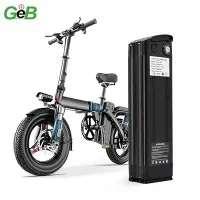
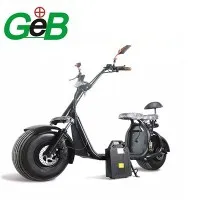
For B2B operators, the battery pack is far more than just a component; it is the central factor dictating the profitability of an electric fleet. Whether you are managing an urban e-bike sharing program, a warehouse utilizing electric forklifts, a facility relying on industrial cleaning machines, or even leasing marine yachts, battery degradation represents one of the largest ongoing operational expenses. Here are the core strategies to maximize battery lifespan and drastically lower your Total Cost of Ownership (TCO).
1. Hardware Durability and Application-Specific Chemistry
The first line of defense against premature battery failure is selecting the right hardware for the specific B2B environment.
For high-utilization commercial applications-such as electric forklifts, heavy-duty cleaning machines, and marine yachts-Lithium Iron Phosphate (LiFePO4) is often the superior choice due to its extreme thermal stability and ability to endure thousands of deep discharge cycles. For agile e-bike delivery fleets, high-cycle Li-ion packs engineered with robust, IP67-rated waterproof casings and anti-vibration structural designs are essential. Partnering with a manufacturer experienced in building high-rate drone batteries and rugged replacement batteries for electric tools ensures that the internal structural integrity of your fleet's batteries can withstand relentless daily abuse.
2. Implementing Smart BMS and IoT Telematics
A passive battery is a liability in a commercial fleet. To effectively lower TCO, B2B operators must transition to active, intelligent power management.
Integrating a Smart Battery Management System (BMS) equipped with IoT telematics allows fleet managers to monitor the real-time health of every battery in the field. This technology tracks individual cell voltages, temperature fluctuations, and cycle counts. By utilizing geofencing and remote diagnostics, operators can prevent harmful deep discharges, identify anomalous temperature spikes before they cause permanent damage, and optimize the deployment of their electric bicycles or industrial machines based on real-time energy levels.
3. Standardizing Charging Infrastructure and Protocols
How a battery is charged is just as critical as how it is discharged. Inconsistent or improper charging protocols are the leading cause of premature capacity loss.
Operators must establish standardized charging depots with strict temperature controls, as charging lithium batteries in extreme heat or freezing conditions severely degrades cell chemistry. Furthermore, while fast charging is convenient for keeping cleaning machines and delivery e-bikes operational during peak shifts, it accelerates wear. A strategic mix of opportunity fast-charging during the day and balanced, slow charging overnight allows the BMS to properly equalize the cells, significantly extending the overall lifecycle of the pack.
4. Designing for Modularity and Maintenance
When a battery pack finally reaches the end of its optimal lifecycle, the replacement process should not require extensive downtime.
Designing fleets around modular battery swapping systems-particularly for e-bikes and smaller industrial equipment-keeps the vehicles in constant operation. Additionally, working with an OEM supplier that designs packs for serviceability allows operators to replace specific failing cell groups or upgrade the BMS without discarding the entire unit. This circular approach to maintenance minimizes electronic waste and extracts the maximum possible return on investment from your B2B motive power assets.