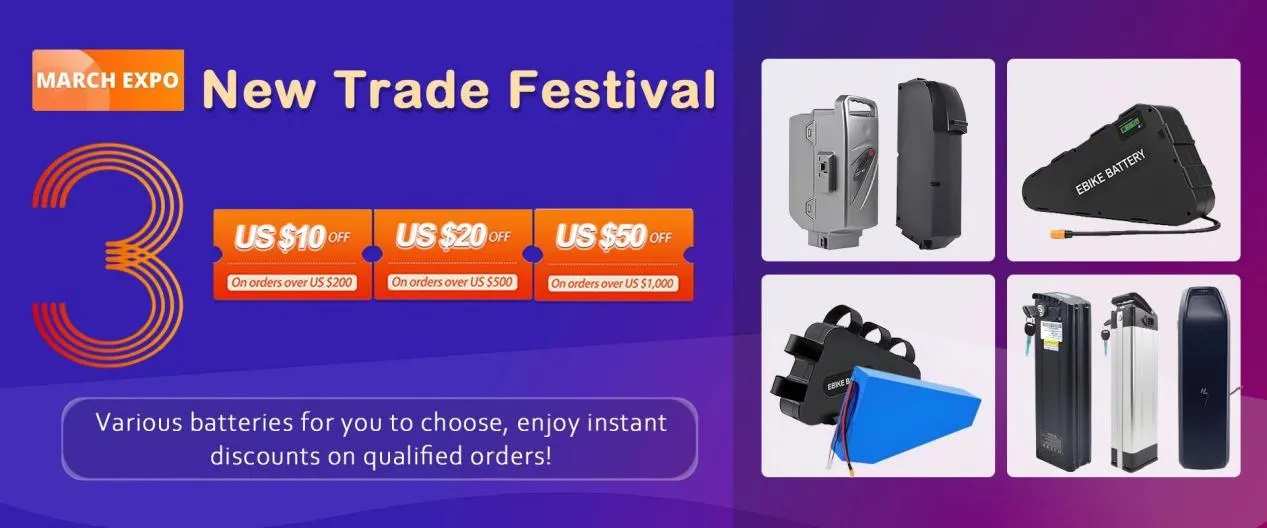
Third-party ebike batteries are replacement or compatible packs made by manufacturers other than the original bike brand. They are designed to fit popular motor systems such as Panasonic or Bosch while offering an alternative to expensive OEM replacements. Many riders turn to them when the factory battery loses capacity after a few seasons or when they want more range without buying a whole new bike.
The question we hear most often is straightforward: are these third-party packs safe and reliable enough for daily riding? The short answer is that some are, and some definitely are not. Safety depends far more on how the pack is designed, tested, and built than on whether it carries the original bike brand name.
In this article we break down what third-party batteries actually are, where the real risks come from, how they compare with OEM options, and most importantly, what separates a solid replacement from one you should avoid. We also show how GEB approaches the design of compatible batteries for Panasonic and Bosch systems.
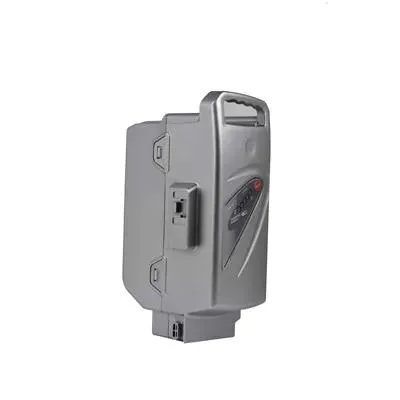
What Are Third-Party Ebike Batteries?
A third-party ebike battery is any pack not produced by the original equipment manufacturer (OEM) of your bike. These packs are built by specialist battery companies to match the voltage, connector type, mounting points, and communication protocol of popular motor systems.
You will typically see them described as "compatible with" or "replacement for" Panasonic, Bosch, Shimano, or other major drives. They come in frame-mount, downtube, or rear-rack formats and are offered in different capacities - often higher than the original pack to extend range.
Unlike simple conversion kits that bolt a motor and battery onto a regular bicycle, proper third-party replacement batteries are engineered as drop-in solutions. They aim to work with the bike's existing controller and charger without major modifications. The better ones even replicate the original communication signals so the motor recognizes the pack and displays accurate range data.
Riders choose them mainly for cost and flexibility. OEM batteries can be expensive once the bike is a couple of years old, and some brands discontinue older models. A well-made third-party option can restore or even improve performance at a lower price point. Still, not every replacement on the market is built to the same standard.
Are Third-Party Ebike Batteries Safe?
Lithium-ion batteries can enter thermal runaway when a cell is damaged, overcharged, overheated, or short-circuited. Once one cell goes, heat can spread to neighboring cells if the pack lacks proper isolation and protection. That is the mechanism behind most ebike battery fires reported in the news.
Research commissioned by the UK Office for Product Safety and Standards and carried out by Warwick Manufacturing Group in 2024–2025 showed a clear pattern: cheaper conversion kits and low-cost replacement batteries performed significantly worse in abuse testing than manufacturer-standard packs. Price per watt-hour turned out to be a strong indicator of safety outcomes. Packs that cut corners on cells or battery management frequently failed earlier and more dramatically.
Bosch, one of the largest e-bike component suppliers, runs extensive lab testing - vibration tables, drop tests, waterproofing, long-term cycling, and deliberate abuse scenarios. Their engineers report no thermal incidents with production batteries under controlled conditions. The difference lies in multiple safety layers: physical cell separation, fire-retardant materials, proprietary fuses that isolate failing cells, and a robust battery management system (BMS) that cuts charging or discharging when it detects anomalies.
Third-party batteries are not inherently dangerous. Many reputable manufacturers apply similar engineering discipline and certify their packs to UL 2271 (for the battery) and UL 2849 (for the full electrical system including charger and motor integration). These standards have become the practical baseline, especially as CPSC guidance and local regulations in places like New York and California push harder for compliance.
The real risk sits with no-name packs sold at rock-bottom prices that skip proper BMS functions, use lower-grade or recycled cells, and carry fake or missing certification marks. In short, safety is not about "third-party" versus "OEM." It is about whether the pack was designed and tested like a serious product.
OEM vs Third-Party Ebike Batteries
Here is how the two categories typically stack up in practice.
OEM batteries
- Perfect integration with the bike's software and display
- Full factory warranty coverage
- Usually built with conservative, proven specifications
- Higher replacement cost, especially after the warranty period ends
Third-party batteries
- Often lower price for similar or higher capacity
- Greater choice in energy density and chemistry
- Faster availability for older or discontinued models
- Potential compatibility quirks and possible impact on original warranty
A side-by-side look at key factors:
|
Aspect |
OEM Battery |
Quality Third-Party Battery |
Low-Cost Third-Party Battery |
|
Certification |
Usually UL 2849 system compliant |
UL 2271 / UL 2849 when from serious makers |
Often missing or unverifiable |
|
Cell quality |
Grade A, tightly matched |
Grade A from reputable suppliers |
Mixed or lower-grade cells |
|
BMS functionality |
Advanced, tightly tuned |
Good protection layers |
Basic or insufficient |
|
Compatibility |
Guaranteed |
Usually strong if properly engineered |
Frequent mismatches or communication issues |
|
Warranty impact |
None |
May void original bike warranty |
Almost always voids warranty |
|
Typical price |
Higher |
30–60% lower than OEM for comparable capacity |
Extremely low |
Quality third-party packs can deliver reliable service when they match the motor system correctly and include proper protection. The cheapest options, however, often introduce risks that show up months later as reduced range, unexpected cutouts, or worse.
When Should You Choose a Third-Party Ebike Battery?
Consider a third-party replacement when your original pack has lost noticeable capacity - typically after 2–5 years or 500–800 cycles, depending on usage and chemistry. Swapping makes sense if you need more range for longer commutes or tours and the OEM replacement cost feels disproportionate.
It is also practical when the manufacturer has discontinued support for your bike model or when you simply want to upgrade capacity without changing the entire bike. Many riders move from a 400–500 Wh pack to 700 Wh or more and gain meaningful extra miles.
On the other hand, stick with OEM if your bike is still under warranty and you ride in conditions where any risk feels unacceptable. The same goes for users who prefer zero hassle with software integration and dealer support.
The decision usually comes down to priorities: maximum peace of mind and seamless integration versus cost, range, and availability. A well-engineered third-party pack sits comfortably in the middle for most everyday riders.
How to Identify a High-Quality Third-Party Ebike Battery
Look past marketing claims and focus on evidence the manufacturer actually engineered safety and performance into the pack.
Start with certification. A legitimate pack should carry clear, verifiable UL 2271 battery certification and ideally UL 2849 for the electrical system. You should be able to check the mark on the UL website. Marks that look photocopied or lack proper file numbers are a warning.
Next, examine the BMS. A good system does more than prevent basic overcharge. It monitors individual cell voltages, temperature across the pack, current limits, and balances cells during charging. It should cut power cleanly if it detects water ingress, extreme heat, or a failing cell. Ask the supplier how the BMS is configured and whether it includes physical isolation measures between cells.
Cell chemistry matters. NMC chemistry gives higher energy density and lighter weight, which helps with range in a compact pack. LFP chemistry runs cooler, offers longer cycle life, and is less prone to thermal runaway, though the pack will be somewhat heavier for the same capacity. Either can work well when properly implemented; the key is whether the manufacturer publishes realistic cycle-life data at 1C rates and temperature derating curves.
Other practical checks include:
- Clear, consistent labeling with model number, serial, voltage, capacity, and manufacturer details
- Exact matching of voltage, connector, and mounting to your motor system
- No signs of hand-soldered or inconsistent assembly
- Transparent documentation on charging recommendations and storage guidelines
Red flags are usually obvious once you know what to watch for: prices far below reasonable material costs, missing or generic safety markings, claims of "Grade A cells" without supplier names, or sellers who cannot provide detailed test reports.
GEB Compatible Batteries for Panasonic and Bosch Systems
At GEB we design replacement batteries specifically for popular Panasonic and Bosch motor platforms. Our packs use Grade A cells paired with a BMS that includes multi-layer protection - voltage, current, temperature, and short-circuit safeguards, plus physical cell isolation.
We build to UL 2271 and aim for full system compatibility under UL 2849 principles. For Panasonic systems we offer direct-fit options with matching communication protocols so the bike's display shows accurate state-of-charge and range data. The same approach applies to Bosch-compatible packs, where we focus on tight integration with the existing controller and charger ecosystem.
Capacity options often exceed the original packs, giving riders a practical upgrade path without sacrificing safety. Every pack goes through incoming cell inspection, automated assembly where possible, and final functional testing before shipment. We provide clear specifications, including cycle-life expectations and operating temperature windows, so customers know exactly what they are getting.
These batteries are built for riders who want a reliable, cost-effective replacement without gambling on unknown quality.
Conclusion
Third-party ebike batteries can be both safe and reliable when they come from manufacturers that treat safety as non-negotiable - proper UL certification, thoughtful BMS design, quality cells, and transparent specifications. The difference between a good replacement and a risky one usually shows up in the details of engineering and testing rather than the label on the outside.
If your original battery is fading and you need more range or a practical replacement, a quality third-party option from a reputable specialist can serve you well. Evaluate the pack the same way you would any critical component: check the certification, understand the protection systems, verify compatibility, and avoid anything that seems too cheap to be true.
At GEB we build compatible batteries for Panasonic and Bosch systems with exactly these standards in mind. If you are evaluating replacements, feel free to reach out - we are happy to discuss your bike model and recommend the right capacity and chemistry for how you ride.
FAQ
Are third-party ebike batteries safe?
Many are, provided they carry proper UL certification and use a well-designed BMS with quality cells. Low-cost no-name packs carry noticeably higher risk.
What does UL 2849 mean for ebikes?
It is the safety standard that covers the full electrical system - battery, charger, motor, and wiring - for fire and electrical hazards. It has become a key benchmark for responsible manufacturers.
Will installing a third-party battery void my bike warranty?
In most cases, yes. Check your bike manufacturer's policy before purchasing.
NMC or LFP - which is better?
NMC offers higher energy density and lighter weight for longer range in a compact pack. LFP provides longer cycle life and better thermal stability. Choose based on whether you prioritize range/weight or longevity and safety margin.
How long should a good third-party battery last?
Expect 800–2000+ cycles depending on chemistry, usage, and charging habits. Real performance varies with temperature and depth of discharge.
If you have questions about your specific ebike setup, drop us a note. We have spent years building and testing these systems and are glad to help riders make informed choices. Safe riding.