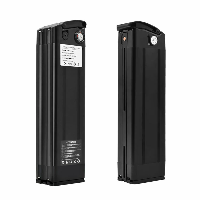
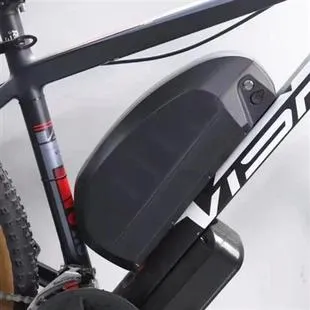
Electric bicycles have become one of the most important representatives of modern green mobility, and the performance of their battery systems directly affects riding comfort, range, reliability, and safety. For global battery buyers as well as everyday e-bike users, understanding when a battery should be replaced-and how to evaluate its condition-is essential. This article provides a systematic overview of how to judge battery lifespan, determine the proper replacement timing, analyze cost-effectiveness, and apply scientifically proven maintenance methods. The goal is to help you make informed decisions while ensuring maximum riding safety and optimal long-term economic value.
How Long Does an Electric Bicycle Battery Usually Last?
The lifespan of an electric bicycle battery depends on various factors, with battery type being the most critical. Today's mainstream e-bike batteries include lead-acid batteries, lithium batteries (lithium iron phosphate and ternary lithium), graphene batteries, and the increasingly promising sodium-ion batteries. Each has distinct characteristics and life expectancy.
- Lead-acid batteries are based on traditional technology. Their designed lifespan is typically 2–3 years, although under high-frequency use (such as riding 20 km or more daily), the actual lifespan may decline to about 1–1.5 years. Regular commuting of around 10 km per day usually allows them to last 2–3 years. These batteries generally support 300–500 charge cycles. Although inexpensive, they tend to degrade more rapidly.
- Lithium batteries are increasingly common in mid- to high-end e-bikes. Lithium iron phosphate (LiFePO4) batteries have about 1,000 charge cycles and typically last 3–5 years. Ternary lithium batteries have higher energy density but slightly shorter cycle life (600–800 cycles), offering around 3 years of practical use. With advanced thermal management and well-designed balancing systems, high-quality lithium batteries can often last more than 5 years.
- Graphene-enhanced batteries represent a modified form of lead-acid technology. They typically last about 4 years, which is noticeably longer than standard lead-acid batteries.
- Sodium-ion batteries show tremendous potential. Their theoretical lifespan ranges from 15–20 years, and current real-world usage suggests they may last 8–10 years. One standout advantage of sodium-ion batteries is their exceptional low-temperature performance; even at –20°C, they can maintain over 85% of their capacity.
Battery type is not the only factor determining lifespan. Riding habits, charging behavior, routine maintenance, and ambient temperature also have major impacts. Additionally, aging of the e-bike itself reduces overall efficiency. When an e-bike has been in use for 3–5 years, even replacing the battery may not fully restore optimal riding range due to degradation in the motor, controller, and wiring.
Battery Lifespan Comparison Table
|
Battery Type |
Designed Lifespan |
Practical Lifespan |
Cycle Life |
Low-Temperature Performance |
|
Lead-Acid |
2–3 years |
1–3 years |
300–500 |
Poor (capacity drops over 50%) |
|
LiFePO4 Lithium |
5–10 years |
3–5 years |
~1000 |
Moderate |
|
Ternary Lithium |
8–10 years |
~5 years |
600–800 |
Good |
|
Graphene Battery |
Not specified |
~4 years |
Limited data |
Good |
|
Sodium-Ion |
15–20 years |
8–10 years |
2000–3000 |
Excellent (85% at –20°C) |

How to Tell When an Electric Bicycle Battery Needs to Be Replace
Recognizing declining battery performance is essential for avoiding unnecessary costs and preventing safety hazards. Users can judge battery condition based on changes in range, charging behavior, physical signs, output performance, and diagnostic results.
Sharp Decline in Riding Range
A significant and lasting reduction in riding distance after a full charge is one of the clearest indicators of battery aging. If range drops by 30–50% compared with when the bike was new, and even repeated full charge–discharge cycles fail to restore performance, the battery capacity has likely degraded significantly. For instance, an e-bike originally capable of 50 km that now struggles to reach 20–25 km is displaying a strong replacement signal.
Abnormal Charging Behavior
Rapid charging (such as needing only a fraction of the original charging time) typically suggests reduced battery capacity. Conversely, unusually slow charging or difficulty reaching a full charge indicates internal deterioration or damage.
Physical Swelling or Leakage
Bulging, cracking, or leaking are dangerous signs of internal failure. Continued use increases the risk of thermal runaway or fire. For lithium batteries in particular, any physical deformity requires immediate discontinuation and professional disposal.
Voltage and Capacity Testing
Professional testing tools can measure internal resistance, voltage consistency, and actual capacity. Batteries are generally recommended for replacement when their capacity decreases to 60–70% of the original rating. This loss becomes especially noticeable during cold weather and under high-load riding conditions.
Weak Power Output
If an e-bike accelerates poorly, performs weakly during climbs, or delivers inconsistent power even with a full charge, the battery may be unable to output sufficient current. This symptom is common with older lead-acid batteries.
Overaged Batteries
Lead-acid batteries older than 3 years and lithium batteries older than 5 years may present increasing safety risks due to internal aging, even if they still function. Overaged lithium batteries, in particular, exhibit unstable internal structures that can increase the risk of ignition under stress.
Situations That May Look Like Battery Problems but Aren't
Not all performance issues are caused by battery failure. Several other components or conditions can mimic battery degradation.
Faulty Charger
A malfunctioning charger can cause improper charging, leading to "false full charge" conditions. Users may experience shortened range or weak performance similar to battery problems. Testing with a certified or original charger can help differentiate the issue.
Aging Electrical System
After years of use, motor efficiency drops, controller parameters drift, and mechanical friction increases. These issues reduce overall performance and energy efficiency, sometimes misleading users into thinking the battery is at fault.
Temperature Effects
Cold weather temporarily reduces battery capacity. Lead-acid batteries may drop to 50–60% of their regular capacity, while lithium batteries often operate at 70–80% in cold conditions. Once temperatures rise, performance typically returns to normal.
Loose or Oxidized Connections
Poor electrical contact can cause intermittent power loss or unstable output. Cleaning or securing connectors often resolves these symptoms.
Controller or Motor Problems
Sudden speed drops, acceleration failures, or unusual noise may indicate issues with the controller or motor, not the battery.
Mechanical Resistance
Underinflated tires, brake drag, or poor lubrication can dramatically increase energy consumption. Low tire pressure alone may increase power usage by 20% or more.
Common Non-Battery Issues Table
|
Problem Type |
Typical Symptoms |
Difference from Battery Issues |
Quick Check Method |
|
Faulty Charger |
Fast/slow charging, low range |
Range varies with charger used |
Try a different charger |
|
Low Temperature |
Winter range drops |
Improves as temperature rises |
Compare summer vs winter use |
|
Loose Connections |
Intermittent power loss |
Worse when bike vibrates |
Shake wiring lightly |
|
Controller Failure |
Speed instability |
Occurs even at full charge |
Requires diagnostic equipment |
|
Low Tire Pressure |
Smooth but shortened range |
Strong rolling resistance |
Measure tire pressure |
|
Brake Drag |
Increased consumption |
Wheel heats up after riding |
Spin wheel off-ground |
When Should an E-Bike Battery Be Replaced?
Determining the best replacement time involves balancing performance, safety, cost, and practical demands.
A widely accepted threshold is when capacity drops to 60–70% of its original value. For commuters with long daily routes, replacement may be needed earlier, while short-distance riders might tolerate further capacity decline.
Even if performance seems acceptable, batteries exceeding safe usage lifespans-typically 3 years for lead-acid and 5 years for lithium-should be replaced due to rising instability risks. Aging increases internal resistance and the likelihood of overheating.
Seasonal timing matters as well. Lead-acid batteries struggle significantly in winter, often losing half of their usable capacity. Replacing batteries before winter ensures stable range and riding comfort. Sodium-ion batteries, on the other hand, perform exceptionally well in cold climates and are ideal for riders in northern regions.
Certain conditions require immediate replacement, including visible swelling, leakage, overheating during charging or discharging, repeated BMS protection triggers, or large voltage imbalance between cells. Such symptoms indicate irreversible internal changes.
Additionally, the age of the e-bike should be considered. A bike older than five years may no longer perform efficiently-even with a new battery-due to aging components. In such cases, replacing the entire bike may be more cost-effective.
Ultimately, the most practical decision model is the needs-based approach: if your current battery cannot meet your minimal daily riding requirements, and adjusting your usage habits does not resolve the issue, then it is time to replace the battery.
Is It More Cost-Effective to Replace or Repair an E-Bike Battery?
The decision between replacing or repairing a battery depends on battery chemistry, nature of the failure, cost comparison, and safety considerations.
Lead-acid batteries can sometimes be partially restored-such as through desulfation or electrolyte replenishment-though such repairs usually extend life only a few months. Lithium and sodium-ion batteries contain complex battery management systems (BMS), and cell-level repairs require professional equipment.
If failures are limited to wiring issues, connector faults, or BMS malfunctions, repairs may restore performance at a fraction of replacement cost. However, when internal cell aging, electrode degradation, or electrolyte depletion occur, repairs cannot resolve the root cause.
Repair becomes uneconomical when costs exceed 40% of a new battery or when expected extension of service life is less than one year. Safety must also be considered: improper repair-especially for lithium batteries-can disable critical protection mechanisms, creating significant fire risk. Only certified professionals should service battery packs.
Warranty should also be considered. Many manufacturers offer 1–3 years of coverage. Unauthorized disassembly voids warranties, so users should carefully read the terms before attempting any repair or third-party service.
In general, repair is worthwhile only when the battery is relatively new, the fault is clearly identifiable and localized, and the service provider is professionally certified. Otherwise, replacement is usually the safer and more economical choice.
How Much Does an E-Bike Battery Replacement Cost?
Battery replacement costs vary widely depending on chemistry, capacity, brand, certification, and regional pricing.
Lead-acid batteries are the cheapest, with typical prices ranging between USD 150–200 for a 48V/12Ah pack. Graphene-enhanced lead-acid batteries cost about 30–50% more. Lithium iron phosphate packs typically cost USD 300–450, and ternary lithium packs range from USD 350–500. Sodium-ion batteries are pricier but offer far longer lifespan.
Battery voltage and capacity directly influence price. Larger capacity lithium packs (such as 48V/20Ah) often cost USD 500–700. Certified products with UL, CE, or RoHS markings are typically 20–40% more expensive but offer better safety. Regional differences also matter, as markets with stricter safety standards-such as the EU and North America-tend to have higher prices.
Bulk purchases often include discounts, and promotional seasons may reduce prices significantly.
Estimated Battery Replacement Cost Table
|
Battery Type |
48V/12Ah Price |
60V/20Ah Price |
Typical Lifespan |
Annual Cost (Price ÷ Lifespan) |
|
Lead-Acid |
$150–$200 |
$250–$320 |
1.5–2.5 years |
$60–$100 |
|
Graphene |
$200–$300 |
$350–$450 |
3–4 years |
$70–$110 |
|
LiFePO4 |
$300–$450 |
$500–$700 |
4–5 years |
$75–$110 |
|
Ternary Lithium |
$350–$500 |
$550–$800 |
3–4 years |
$90–$140 |
|
Sodium-Ion |
$400–$600 |
$650–$900 |
8–10 years |
$50–$90 |
From a long-term perspective, lithium and sodium-ion batteries-although expensive upfront-often deliver lower annual cost due to their longer service life.
How to Extend the Lifespan of an Electric Bicycle Battery
Extending battery lifespan reduces replacement costs and enhances safety. Scientific charging strategies, proper temperature management, good riding habits, and routine maintenance all play essential roles.
Optimizing Charging Behavior
Lead-acid batteries should avoid deep discharge below 20%. Lithium batteries perform best with shallow charge cycles, typically between 20–80%. All battery chemistries should avoid overcharging. Smart chargers that automatically stop charging at full capacity greatly reduce long-term wear.
Temperature Management
High temperatures accelerate chemical degradation, while low temperatures temporarily impair output performance. Batteries should not be charged in direct sunlight or extreme heat. Ideally, batteries should be charged between 10–30°C. After winter use, allow the battery to warm to room temperature before charging.
Better Riding Habits
Avoiding aggressive acceleration and overload conditions reduces peak discharge currents. Maintaining steady speeds and providing pedal assistance on climbs helps preserve battery health.
Routine Maintenance
Regularly inspect battery terminals for oxidation or looseness. Lead-acid batteries may require electrolyte checks, while lithium batteries benefit from periodic professional balancing to maintain cell consistency.
Using Original Accessories
Non-original chargers or mismatched power systems may damage battery packs. Improper modifications-such as upgrading to high-powered motors-can accelerate battery aging.
Battery Maintenance Comparison Table
|
Maintenance Item |
Lead-Acid |
Lithium |
Sodium-Ion |
Notes |
|
Charging Strategy |
Avoid deep discharge; monthly full cycle |
Shallow cycles (20–80%) |
Similar to lithium |
Avoid overcharging |
|
Temperature Management |
Charge above 0°C |
Avoid >45°C |
Wide temperature tolerance |
Heat accelerates aging |
|
Storage Charge |
50–70% |
40–60% |
30–50% |
Recharge every 2–3 months |
|
Maintenance Frequency |
Monthly |
Semiannual |
Semiannual |
Lead-acid requires more physical checks |
|
Professional Maintenance |
Yearly testing |
Balancing |
Similar |
Can extend lifespan significantly |
FAQ
Do New Batteries Need "Activation"?
Lead-acid batteries require initial activation and a few full charge cycles. Lithium and sodium-ion batteries are factory-activated and require no special treatment.
Why Does My E-Bike Have Lower Range in Winter?
This is normal. All batteries experience reduced activity in cold weather. Lead-acid batteries lose the most capacity, while lithium batteries retain roughly 70–80%. Sodium-ion batteries maintain excellent performance even in extreme cold.
How Should I Store a Battery for Long Periods?
Batteries should be stored at partial charge and recharged every 2–3 months. Storage areas must be dry and cool to prevent degradation.
Does Fast Charging Damage the Battery?
Occasional fast charging is acceptable for lithium batteries, but frequent fast charging accelerates aging. Lead-acid batteries should avoid fast charging as much as possible.
Is It Worth Buying a Second-Hand Battery?
Not recommended. Most used batteries are already degraded, and the second-hand market contains many unsafe refurbished packs lacking proper BMS protection.
Why Do Professionals Recommend Replacing Batteries in April–May?
This period is the off-season for battery sales, so prices are lower. Additionally, using a new battery through summer allows it to stabilize before the winter months.
About the Author
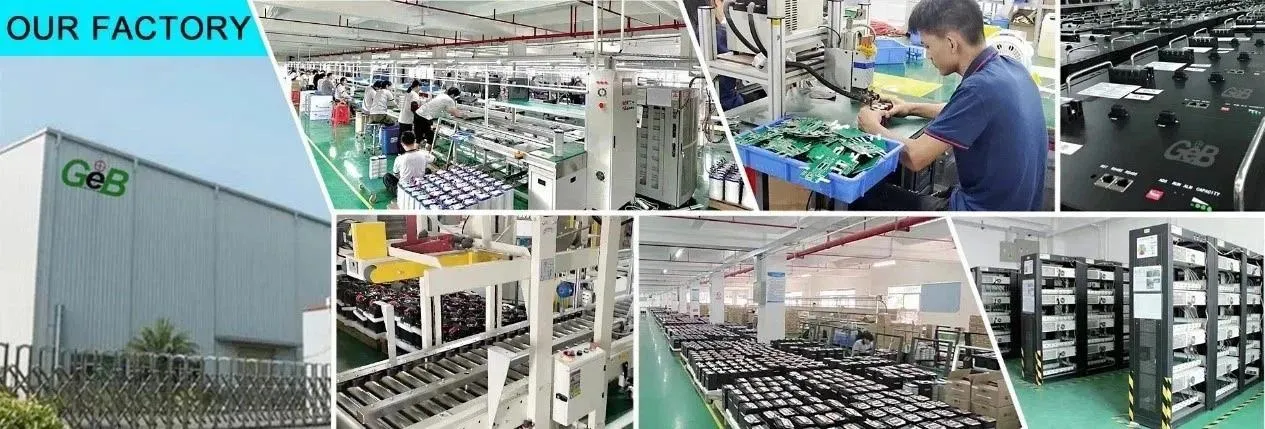
GEB, a brand under General Electronics Technology Co., LTD, has specialized in electric bicycle lithium batteries since 2009. With strong market presence in Europe and North America, GEB is recognized for its reliable quality and professional battery solutions. All products comply with major international certifications, including UL, CE, and RoHS, ensuring full alignment with European and U.S. safety and environmental standards. Offering a wide range of voltages, capacities, and battery types, GEB also provides customized R&D services to meet the diverse needs of overseas clients.
Contact us today to get a free sample of our e-bike battery solutions.